Finding comfortable men's short socks comes down to five core decisions: choosing the right material for your activity, getting the correct size, looking for cushioning in high-pressure zones, selecting a seamless or flat-knit toe, and ensuring the cuff has enough elastane to stay up without cutting into the leg. A sock that ticks all five boxes will feel noticeably better than a budget alternative from the first wear — and will continue to feel that way for 12 to 24 months of regular use.
The sections below walk through every factor that separates a genuinely comfortable short sock from one that looks identical on the shelf but causes blisters, bunches inside the shoe, or loses its shape after ten washes. Each section includes specific numbers and practical advice so you can evaluate any sock before buying it.
Start with the Right Material for Your Primary Activity
Material is the single most important factor in sock comfort, and it is also the factor most often overlooked when men shop for socks based on price or appearance alone. The same cuff height and construction in two different materials will feel completely different after two hours of wear — especially in warm conditions or during physical activity.
Cotton and Cotton-Rich Blends: Best for Everyday Comfort
Cotton remains the most comfortable material for low-to-moderate activity daily wear. It feels soft against the skin, absorbs moisture naturally, and does not cause static or chemical irritation. Combed or ring-spun cotton — where short fiber ends are removed before spinning — produces a significantly smoother and more durable fabric than standard carded cotton, and is worth looking for specifically on product descriptions. The main limitation of pure cotton is slow drying: 100% cotton can retain moisture for extended periods during intense activity, which softens the skin and raises blister risk. For casual office wear, light walking, and everyday use, a 70–80% cotton blend with 15–25% polyester and 3–8% elastane delivers the comfort of cotton alongside faster drying and better shape retention.
Polyester and Nylon: Best for Sport and High-Sweat Activity
Polyester and nylon fibers are engineered to move moisture away from the skin rapidly — a property called moisture wicking. Quality moisture-wicking polyester transports sweat to the outer fabric surface 3 to 5 times faster than cotton, where it evaporates rather than saturating the fabric against the foot. For running, gym training, hiking, and any activity generating significant perspiration, a predominantly synthetic sock will maintain a drier, cooler foot environment than cotton — directly reducing blister risk and general discomfort. Nylon adds durability: nylon-reinforced heel and toe zones resist abrasion significantly longer than equivalent cotton areas, which is why many premium sports socks use a nylon content of 15 to 25% specifically in wear zones rather than throughout the entire sock.
Blended Materials: The Versatile Everyday Choice
For men who want one sock type that works comfortably across a range of activities — casual wear, light sport, and everything between — a well-designed blend is the most practical choice. An ideal all-around blend combines the natural softness of cotton with the performance of synthetic fibers. A typical high-performing composition might be 60% combed cotton, 35% polyester, and 5% elastane. The cotton provides the soft, natural feel against the skin; the polyester improves drying speed and shape retention; and the elastane gives the stretch and recovery that keeps the sock fitting snugly without slipping or bunching throughout the day.
Avoid socks with very high polyester content (above 80%) for everyday non-athletic use — these tend to feel synthetic and warm, and some men with sensitive skin find them irritating over long wear periods.
Material Comparison by Activity
| Activity / Use Case |
Best Material |
Recommended Composition |
Why It Works |
| Office / casual daily wear |
Cotton-rich blend |
75% cotton, 20% polyester, 5% elastane |
Soft feel, breathable, holds shape all day |
| Running (5 km+) |
Synthetic performance |
60% polyester, 35% nylon, 5% elastane |
Rapid moisture wicking, durability in heel/toe |
| Gym training |
Cotton-poly blend or synthetic |
60% cotton, 35% polyester, 5% elastane |
Comfortable and dries quickly post-session |
| Hot weather / summer |
Lightweight cotton or bamboo-blend |
80% cotton (fine gauge), 15% poly, 5% elastane |
Maximum breathability, natural temperature regulation |
| Walking / light hiking |
Blended (cotton + nylon) |
55% cotton, 40% nylon, 5% elastane |
Comfort + abrasion resistance for extended wear |
| Sensitive skin |
Bamboo or organic cotton |
70% bamboo viscose, 25% cotton, 5% elastane |
Naturally hypoallergenic, ultra-soft, antibacterial |
Recommended sock material composition by activity type for maximum comfort
Get the Size Right: Why Sock Sizing Matters More Than Most Men Think
Sock sizing is widely misunderstood — many men assume that "one size fits most" socks work well enough, or that socks are fundamentally interchangeable across sizes. In reality, wearing the wrong sock size is one of the most common causes of discomfort, and it is entirely avoidable.
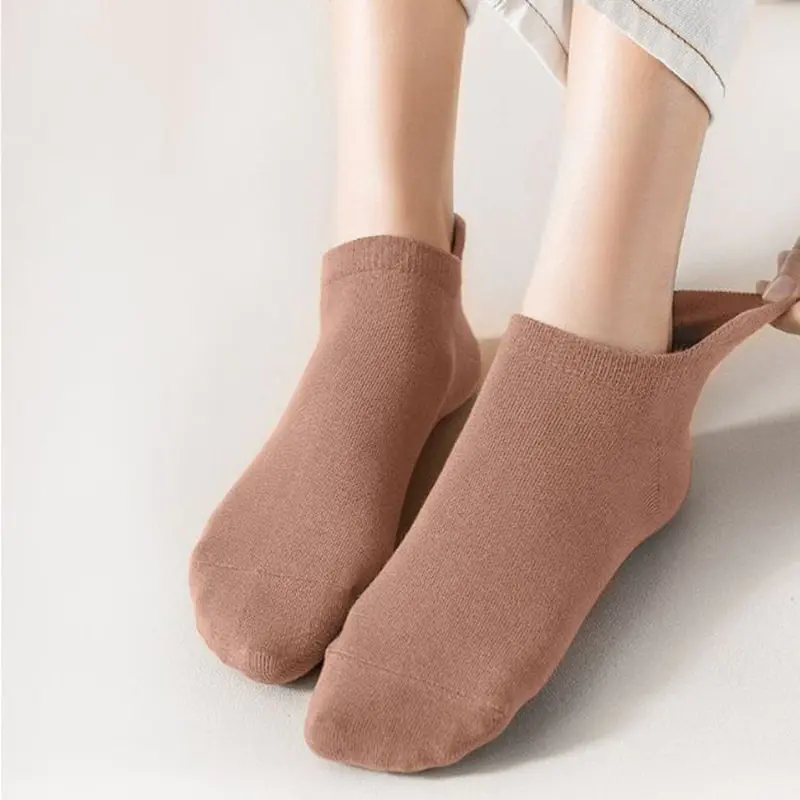
How Sock Sizing Works
Men's short socks are typically sold in size ranges that correspond to shoe sizes, not foot measurements directly. Common sizing ranges are:
- Small: Shoe sizes approximately US 6–8 / EU 39–41
- Medium: Shoe sizes approximately US 8–10 / EU 41–43
- Large: Shoe sizes approximately US 10–12 / EU 43–46
- Extra Large: Shoe sizes approximately US 12–14 / EU 46–48
Each size range spans two to three shoe sizes because well-knit socks have enough elasticity to stretch comfortably across this range. However, "one size fits most" products typically cover a range of US 7–12 — a span of five shoe sizes — which means the sock is a genuine fit for those at the middle of the range but significantly over-stretched or baggy for those at the extremes. Men at either end of a size range should select the smaller size if they prefer a snug, secure fit, or the larger size if they prefer more cushioning volume with a slightly looser feel.
The Consequences of Wrong Size
Too small: The sock stretches beyond its elastic limit, causing the fabric to thin out at the heel and ball of foot — the exact zones that need most cushioning. The cuff digs into the leg and may leave marks. Seams pull tight across the toe area, causing pressure and friction.
Too large: Excess fabric bunches in the toe box and at the heel cup, creating fold lines that act as pressure points and cause blisters. The sock slides out of position more easily, especially in athletic footwear. The cuff droops or slips down during movement.
The correct size produces a sock that is smoothly taut across the foot with no puckering, no excess fabric, and a cuff that grips comfortably without constricting. If you are between sizes, always try the larger size first for everyday comfort, and the smaller size for athletic use where a snugger fit prevents movement inside the shoe.
Look for Cushioning in the Right Zones
Cushioning in a sock is not about making it thick everywhere — that would be hot, heavy, and wasteful of material. Well-designed cushioning is strategic: it is placed specifically in the zones where impact and friction are highest, and absent in zones where extra fabric would only add heat and bulk.
Heel Cushioning
The heel is subject to the greatest impact force at every step — ground reaction forces at the heel during walking reach 100 to 120% of body weight, and during running can reach 250 to 300% of body weight. Heel cushioning in a sock is created by a terry loop construction — small loops of extra yarn on the inner surface that create a layer of compressible cushioning between the foot and the shoe sole. Look for socks that specifically mention cushioned heel or terry heel in their description. On a well-made sock, you should be able to feel the difference in thickness between the heel cup and the main body of the sock when you hold it.
The ball of the foot — the metatarsal heads just behind the toes — is the second major pressure zone during both walking and running, and the area most commonly affected by metatarsalgia (ball-of-foot pain) in men who stand or walk for extended periods. Extra cushioning in this zone is particularly valuable for men who spend long hours on their feet, wear dress shoes with thin insoles, or run with a forefoot strike pattern. A sock with a full-footbed terry construction (heel and ball both cushioned) provides the most comprehensive protection, though it will feel warmer than a minimally cushioned sock of equivalent material.
Arch Support Compression
Some high-quality men's short socks incorporate a zone of denser, tighter knitting across the arch of the foot — sometimes called an arch band or compression arch. This zone applies gentle compressive pressure to the plantar fascia and the arch musculature, which many men find reduces fatigue during long periods of standing or walking. Arch support in a sock does not replace orthotic insoles for men with clinical flat feet or plantar fasciitis, but it provides a meaningful comfort improvement for men with average to normal arches who spend more than four hours per day on their feet.
When to Choose Light vs. Heavy Cushioning
Not all situations call for maximum cushioning. The right cushioning level depends on footwear and activity:
- Light cushioning (thin terry or no terry): Best for dress shoes and slim-profile footwear where thick cushioning would make the shoe feel tight. Also preferred in hot weather where extra fabric adds unwanted heat.
- Medium cushioning (heel and ball terry): The most versatile level for everyday athletic footwear, casual sneakers, and moderate walking. Provides impact protection without excessive bulk or warmth.
- Heavy cushioning (full-footbed terry): Best for high-impact running, long-distance hiking, and standing-intensive work. Provides maximum impact absorption but feels noticeably warmer and should be used with footwear that has room for the additional sock volume.
The Toe Seam: A Small Detail with a Big Impact on Comfort
The toe seam — the join where the tube of the sock is closed at the toe end — is one of the most underappreciated comfort factors in sock selection. For most men in most socks, the toe seam is a raised ridge of stitching that runs across the top of the toes. Over the course of a day, this ridge presses against the delicate skin of the toe tips and the top of the first toe joint, creating localized pressure and friction that causes redness, irritation, and in extended-wear situations, blisters.
Seamless and Flat-Knit Toe Options
The solution is to look specifically for socks described as seamless toe, flat-knit toe, or hand-linked toe. These terms refer to different manufacturing approaches that eliminate the raised seam or reduce it to an almost imperceptible flat join:
- Seamless toe: The sock is knitted in a way that closes the toe end without a seam, typically by running the yarn continuously around the toe cup. There is literally no join, and the inside of the toe feels completely smooth. This is the most comfortable option and is common in premium athletic and everyday socks.
- Flat-knit (or hand-linked) toe: The toe is closed by linking two layers of knit together in a way that lies flat rather than creating a raised ridge. The join is visible but not felt during wear. This construction is slightly more labor-intensive than a standard overlock seam and is a reliable quality indicator.
- Standard overlock seam (avoid for sensitive feet): The sock tube is closed by folding the end over and stitching it with an overlock machine. This creates a raised ridge of approximately 3 to 5 mm that is immediately noticeable inside a close-fitting shoe. Men with diabetes, neuropathy, or simply sensitive feet should actively avoid this construction.
If you currently experience toe irritation, redness at the tip of the first or second toe, or subungual bruising (black toenail) during long walks or runs, switching to a seamless-toe short sock is one of the highest-impact comfort improvements available.
Cuff Design: Stay-Up Without Cutting In
The cuff of a men's short sock performs two opposing functions simultaneously: it must grip the leg firmly enough to stay up during movement, and it must not grip so tightly that it restricts circulation, leaves marks on the skin, or causes discomfort during extended wear. Getting this balance right is one of the more nuanced aspects of sock construction, and it is where cheaper socks most commonly fail.
Elastane Content and Cuff Grip
The cuff's grip comes primarily from the elastane (spandex/Lycra) content in the cuff zone, combined with the structure of the rib knit that makes up most short sock cuffs. A well-designed cuff contains 15 to 20% elastane in the cuff zone — enough to grip reliably without constricting. Cuffs with too little elastane (below 8 to 10%) lose their grip rapidly after washing and cannot maintain position during athletic activity. Cuffs with excessive elastane — sometimes found in very inexpensive socks that use high elastic content as a substitute for proper knit structure — grip too aggressively and leave visible marks on the leg after removal.
A simple quality test: after removing a sock, look at the leg above where the cuff sat. A well-fitting sock of correct size leaves no visible mark or indentation. Any visible ring of compressed skin indicates either an overly tight cuff, a sock that is too small, or excessive elastane concentration — all of which will be increasingly uncomfortable over long wear periods, particularly in warm weather when legs are more likely to swell slightly.
Cuff Height and Its Effect on Comfort
Men's short socks typically have cuffs that extend 6 to 10 cm above the heel. Within this range, cuff height affects both comfort and stay-up performance:
- A 6 to 7 cm cuff (closer to ankle sock territory) provides minimal coverage but maximum freedom of movement. It stays up adequately in low-collar footwear but may slip in running shoes or work boots with higher collars.
- A 7 to 9 cm cuff is the sweet spot for most men's short socks — enough coverage to stay reliably in position in most athletic footwear, sufficient ankle protection from shoe collar rubbing, and not so long that it feels heavy or restricts ankle movement.
- A 9 to 10 cm cuff approaches quarter-crew territory and is most suitable for running shoes, work boots, and hiking footwear where maximum stay-up security is needed.
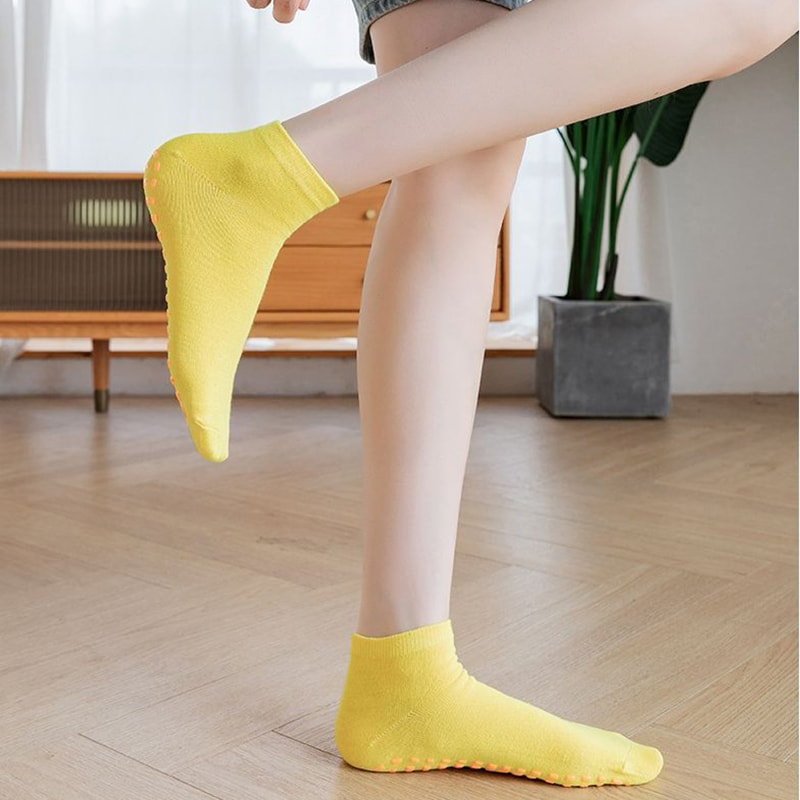
Silicone Grip Strips for Athletic Use
Premium athletic short socks often incorporate silicone grip strips — small raised dots or lines of silicone bonded to the interior of the heel cup or cuff. These grip the shoe lining and the skin respectively, significantly reducing sock migration during high-impact activity. For men who run more than 15 to 20 km per week, or who play court sports regularly, silicone-grip socks are worth the additional cost — they eliminate the need to stop and adjust the sock during activity and prevent the Achilles-area blistering caused by sock bunching at the heel.
Evaluating Construction Quality: What to Look and Feel for
Once material, size, cushioning, toe construction, and cuff design are understood, construction quality is the remaining differentiator between a comfortable sock that lasts and a disappointing one that wears out in months. Here is what to assess — whether buying in a store or evaluating a product description online.
Reinforced Heel and Toe Zones
The heel and toe are the first areas to develop holes in any sock. Quality short socks address this with reinforced construction in these zones — either by using a denser knit, adding nylon reinforcement yarn, or increasing the pile height in terry zones. You can feel this difference by pinching the heel cup between your fingers: it should feel noticeably thicker and denser than the main body of the sock. Socks with no discernible thickness difference between the heel cup and the leg are not reinforced and will wear through faster in these zones.
Knit Density and Gauge
Sock knitting machines are rated by gauge — the number of needles per inch. Higher-gauge machines (200-needle and above) produce finer, denser fabric with a smoother surface feel and better conformity to foot contours. Lower-gauge machines (144-needle and below) produce a coarser fabric that feels rougher against the skin and is more prone to pilling. While you cannot directly assess gauge in a finished sock, the surface feel is a reliable proxy: a premium short sock should feel smooth and fine-textured on the inside, with no roughness or visible individual yarn loops against the skin.
Shape Retention After Washing
A sock that feels comfortable on first wear but loses its shape after five washes — stretching out at the cuff, bagging at the heel, or thinning at the toe — is not genuinely comfortable in practice. Shape retention is determined by yarn quality, knit structure, and the proportion and type of elastane used. The best test is to buy one pair, wash it five times following the care instructions, and assess how it compares to its original shape. A quality sock should return to within 5 to 8% of its original dimensions after repeated washing and drying. Socks that visibly sag or stretch out should not be repurchased in quantity.
Special Considerations: Sensitive Skin, Diabetic Feet, and Odor Control
For some men, comfort requirements go beyond the standard criteria and include specific needs related to skin sensitivity, medical conditions, or odor management. These considerations significantly narrow the field of suitable sock options.
Sensitive Skin and Allergic Reactions
Men with skin sensitivity or contact dermatitis may react to dyes, finishing chemicals, or certain synthetic fibers in standard cotton-polyester socks. For these men, bamboo viscose or organic cotton socks without synthetic dyes are the best starting point. Bamboo viscose has natural hypoallergenic properties, is free from the formaldehyde-releasing resins sometimes used in conventional cotton finishing, and has a notably soft surface feel that is less likely to trigger contact reactions. Organic cotton avoids the pesticide residues present in conventionally grown cotton, which can cause reactions in highly sensitive individuals. Look for socks with Oeko-Tex Standard 100 certification — this confirms that the finished product has been tested for over 100 harmful substances and meets safety limits for skin contact.
Diabetic-Friendly Short Socks
Men with diabetes require socks that address three specific concerns: elimination of pressure points (which can cause undetected ulceration in feet with reduced sensation), moisture management (diabetic feet are more prone to fungal infections in damp conditions), and non-constrictive fit (to support circulation that may already be compromised). Key features to look for in diabetic-appropriate short socks include:
- Non-binding cuff: A loose-knit or seamless cuff that does not constrict even slightly. Some diabetic socks use a very wide, short cuff that folds over itself to stay up without elastic pressure.
- Seamless toe construction: Absolutely essential — no ridge of any kind should contact the toe skin.
- Moisture-wicking fiber: Copper-infused nylon, bamboo viscose, or moisture-wicking polyester help maintain a drier foot environment that reduces fungal infection risk.
- Padded sole without interior seams: All-over cushioning with no internal seam lines eliminates pressure hot spots across the entire plantar surface.
Odor Control and Antibacterial Properties
Foot odor is caused by bacteria (primarily Brevibacterium and Staphylococcus species) that thrive in the warm, moist environment inside a shoe and metabolize sweat into odor compounds. Several sock technologies address this:
- Silver-infused yarn: Silver ions have well-documented antibacterial properties and are woven into the sock fiber during manufacturing. Silver-infused short socks consistently show 99% reduction in odor-causing bacteria in controlled tests compared to untreated equivalents. The effect persists through multiple washes if the silver is embedded in the fiber rather than applied as a surface coating.
- Copper-infused nylon: Similar antibacterial mechanism to silver but at lower cost. Copper-nylon composite yarn is increasingly common in athletic short socks and provides effective odor control alongside durability benefits.
- Bamboo viscose: Bamboo naturally contains bamboo-kun, an antimicrobial agent that inhibits bacterial growth even in processed fiber. Bamboo short socks are a good odor-control choice for men who prefer natural fiber solutions over synthetic antimicrobial treatments.
- Moisture management as indirect odor control: The driest foot is also the least odor-prone, because bacteria require moisture to proliferate. High-performance moisture-wicking synthetic socks, by keeping the foot surface drier, inherently reduce bacterial activity and odor even without antimicrobial additives.
Where to Buy and How to Evaluate Without Trying First
Most men buy socks online or in multi-pack retail formats where trying before buying is not possible. The following approach maximizes the chance of a good first purchase and helps build a reliable sock wardrobe over time.
What to Check in a Product Description
Before purchasing any men's short sock, look for the following specific information in the product listing. If this information is absent, the manufacturer may not be confident enough in the sock's specification to publish it:
- Full material composition with percentages: e.g., "65% combed cotton, 30% polyester, 5% elastane" — not just "cotton blend."
- Toe construction type: Seamless, flat-knit, or hand-linked toe should be explicitly mentioned if present.
- Cushioning description: Where cushioning is present (heel only, heel and ball, full-footbed) and how it is constructed (terry loop, extra padding).
- Size chart mapped to shoe sizes: Not just "S/M/L" but the specific shoe size range each size covers.
- Wash care instructions: Quality socks will specify recommended wash temperature (usually 30°C) and advise against tumble drying on high heat.
The Single-Pair Test Strategy
When trying a new sock type or brand, always buy a single pair first rather than a multi-pack. Wear the pair for a full day in the footwear and activity you primarily intend it for. Wash and dry it three to five times and reassess. Only if the sock meets your comfort standards after this real-world test should you invest in a multi-pack. This approach costs marginally more per pair for the trial purchase but prevents the far more expensive mistake of buying ten pairs of a sock that turns out to be uncomfortable or low-quality.
Price as a Quality Indicator
Price correlates imperfectly but meaningfully with comfort quality in men's short socks. Socks priced below the equivalent of USD 1.50 to 2.00 per pair are almost certainly manufactured with low-grade yarn, minimal cushioning, standard overlock toe seams, and insufficient elastane in the cuff. The comfort-price sweet spot for most men is in the USD 3.00 to 7.00 per pair range — enough to ensure quality materials, proper construction, and meaningful cushioning without paying for branding premiums that add nothing to wearability. Above USD 10 per pair, you are typically paying for specialist features (silver antibacterial, targeted compression zones, ultra-premium merino wool blends) that are valuable for specific needs but not necessary for everyday comfort.
Comfort Checklist: Rate Any Short Sock Before You Buy
Use this quick checklist when evaluating any men's short sock — whether in-store or from an online product description — to assess its comfort potential before purchase:
| Comfort Factor |
What to Look For |
Red Flag to Avoid |
| Material |
Combed cotton, HDPE blend, or bamboo viscose with elastane |
Composition not listed; very high polyester with no cotton |
| Size |
Specific shoe size range per size; multiple sizes available |
"One size fits all" or range of 6+ shoe sizes per size |
| Toe seam |
Seamless, flat-knit, or hand-linked toe |
Raised overlock seam; no mention of toe construction |
| Cushioning |
Terry heel and/or ball cushioning mentioned specifically |
Uniform thin fabric throughout; no cushioning features listed |
| Cuff |
Ribbed knit with 15–20% elastane; non-binding description |
Leaves visible marks after wear; slips down during movement |
| Reinforcement |
Thicker heel cup and toe box felt by hand |
Uniform thin fabric at heel and toe; no mention of reinforcement |
| Surface feel |
Smooth inside surface; fine, dense knit texture |
Rough or scratchy inside; visible individual yarn loops |
| Wash durability |
Care instructions provided; 30°C wash recommended |
No care instructions; stretches or bags out after first wash |
| Price per pair |
USD 3.00 – 7.00 for everyday; USD 7.00 – 12.00 for performance |
Below USD 1.50 per pair (quality sacrifice very likely) |
Pre-purchase comfort checklist for evaluating men's short socks across nine key quality factors
Washing and Care: Maintaining Comfort Over the Long Term
Even the highest-quality men's short sock will lose its comfort properties prematurely if washed and dried incorrectly. Most sock degradation is caused not by wear but by improper laundry habits — specifically high-temperature washing and tumble drying on high heat, which break down elastic fibers and accelerate cotton fiber degradation.
- Wash at 30°C (86°F) or below. Higher temperatures cause elastane to lose its stretch recovery, meaning the cuff loses grip faster. Cool washing also preserves dyes and prevents shrinkage in cotton-rich socks.
- Avoid tumble drying on high heat. Air drying is always preferable. If tumble drying is necessary, use the lowest heat setting available. High heat degrades both elastane and polyester, and can cause cotton to shrink and stiffen.
- Do not use fabric softener on performance socks. Fabric softener coats synthetic fibers with a waxy residue that reduces their moisture-wicking performance by blocking the micro-channels through which sweat moves. Cotton socks tolerate occasional softener use, but performance socks should always be washed without it.
- Turn socks inside out before washing. This protects the outer surface from pilling caused by friction with other garments in the wash, maintaining the appearance and surface feel of the sock for longer.
- Replace socks on a planned cycle, not just when holes appear. A sock that has thinned significantly at the heel or ball — even without visible holes — provides greatly reduced cushioning and is no longer performing its comfort function adequately. Plan to replace everyday short socks every 12 to 18 months with regular use and correct washing, and athletic socks every 6 to 12 months depending on weekly mileage or training frequency.



 English
 中文简体
中文简体 Español