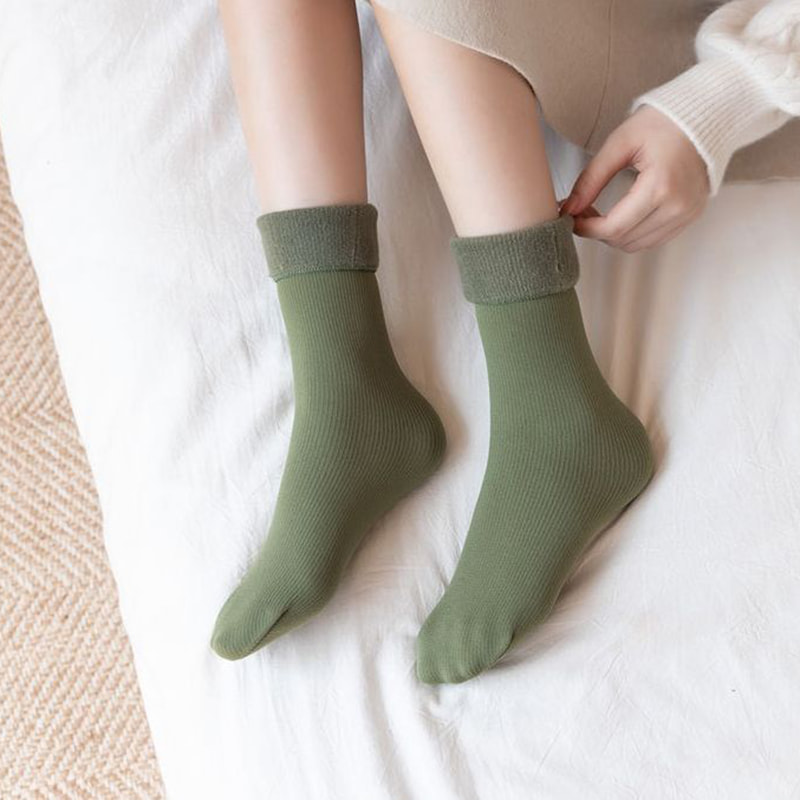
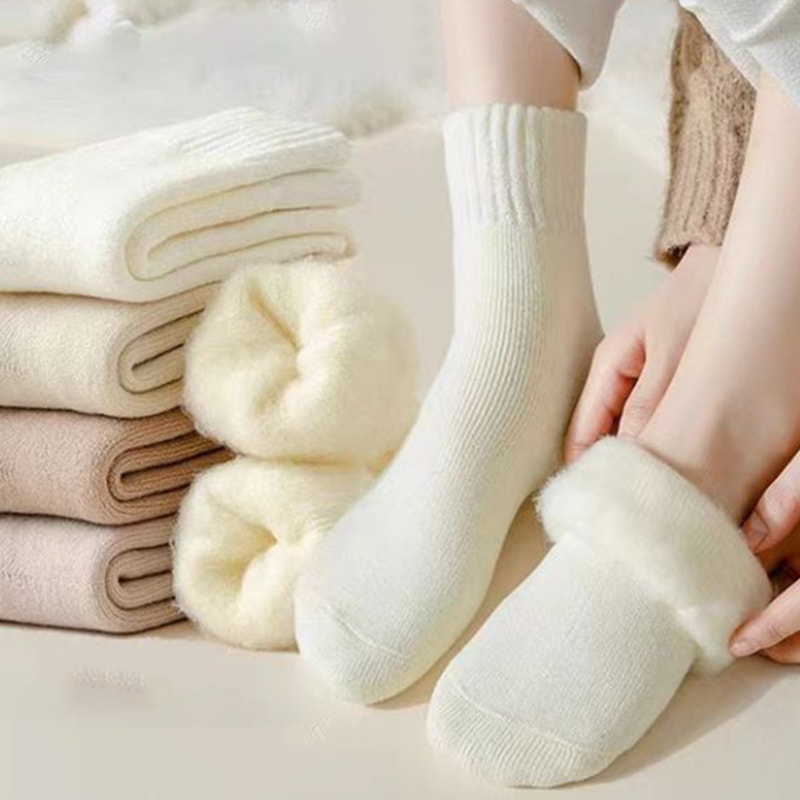
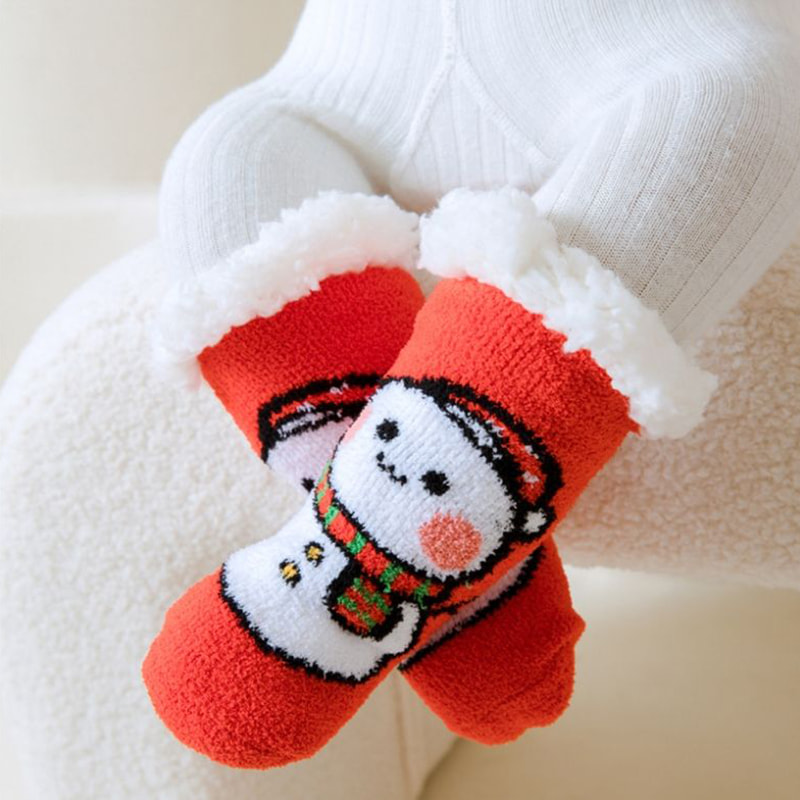
To choose comfortable children's short socks, prioritize soft, breathable natural or blended fiber materials, accurate size matching for the child's foot length, non-restrictive elastic cuffs, flat or seamless toe seams, and age-appropriate design features. These five factors collectively determine whether a pair of socks will support healthy foot development, stay in place during active play, and remain comfortable from morning to bedtime.
Children's feet grow rapidly — on average, a child's foot size increases by one full size every three to four months during the toddler years and roughly one size every six months between ages 4 and 10. Socks that fit poorly, restrict circulation, or cause skin irritation can affect gait development and daily comfort. Choosing thoughtfully is not merely a matter of preference; it directly impacts a child's physical wellbeing.
Understanding What Makes Children's Short Socks Different
Children's short socks are not simply scaled-down versions of adult socks. They are specifically engineered to accommodate the unique anatomical and developmental characteristics of growing feet. Key differences from adult socks include:
- Softer inner surfaces to prevent skin abrasion on delicate skin
- Reinforced toe and heel zones to withstand high-friction play activities
- Gentler elastic formulations in the cuff that secure the sock without compressing growing ankles
- Smooth or hand-linked toe seams that avoid pressure points on smaller, more sensitive toes
- Fun, colorful designs that encourage children to participate in dressing independently
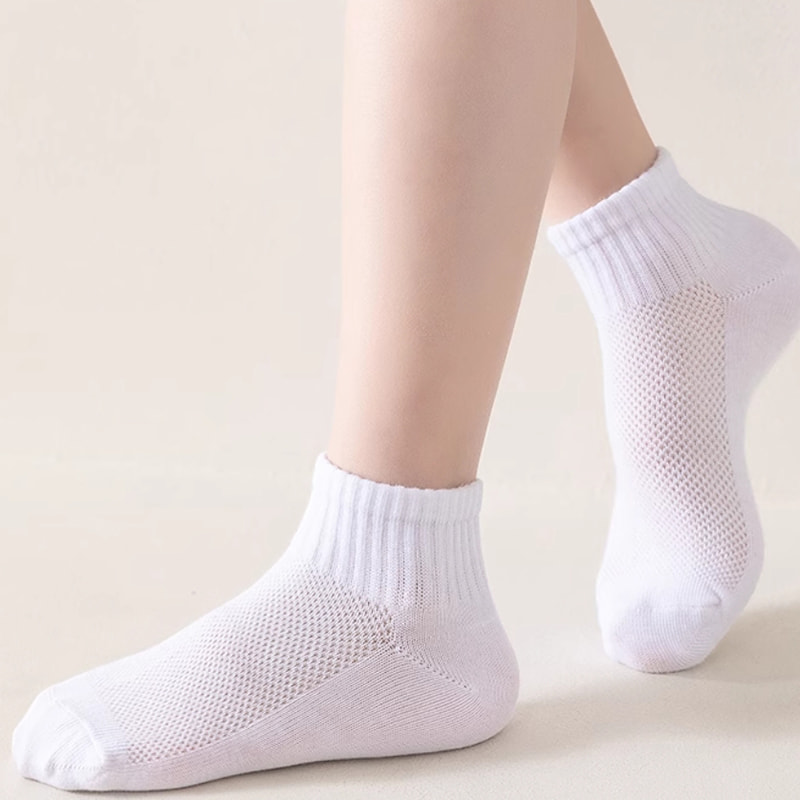
The sock cuff of well-designed children's short socks features good elasticity that keeps the sock firmly in place during running, jumping, and climbing, while remaining loose enough to avoid impeding blood circulation to the foot and ankle. The opening is often specially treated to reduce friction when children put them on and take them off independently — an important practical consideration for school-age children.
How to Select the Right Material for Children's Short Socks
Material is the single most important factor in determining sock comfort. Children's skin is significantly more sensitive than adult skin, and prolonged contact with harsh or synthetic fabrics can lead to irritation, heat rash, or allergic reactions. Understanding fiber properties helps parents make informed choices.
Cotton — The Most Popular Choice
Cotton remains the most widely used fiber in children's socks because of its natural softness, hypoallergenic properties, and breathability. Combed cotton, which has been processed to remove short fibers and impurities, offers an exceptionally smooth texture ideal for sensitive skin. A sock with 75–85% cotton content generally delivers the best balance of softness, moisture absorption, and durability for everyday wear.
Pure 100% cotton socks, while extremely soft, tend to lose elasticity quickly and may sag around the ankle. A small addition of polyester (5–10%) and elastane/spandex (2–5%) significantly improves shape retention and wash durability without compromising breathability.
Bamboo Fiber — Naturally Antibacterial and Ultra-Soft
Bamboo-derived viscose fiber has gained popularity in children's socks due to its naturally antibacterial properties, which inhibit odor-causing bacteria without chemical treatments. Bamboo fiber socks also exhibit superior moisture-wicking performance — removing moisture from the skin surface up to three times faster than standard cotton — keeping feet dry during active play.
Bamboo is particularly recommended for children with eczema-prone or highly sensitive skin, as it produces minimal static electricity and has a naturally smooth fiber structure that reduces friction against the skin.
Merino Wool — Best for Temperature Regulation
For children in cooler climates or during transitional seasons, merino wool blends offer outstanding temperature regulation, staying warm in cold conditions and cool when active. Unlike conventional wool, merino fibers are finer than 19.5 microns in diameter, meaning they do not cause the scratching sensation typically associated with wool, making them suitable even for younger children.
Getting the Size Right: Why Fit Matters More Than You Think
An ill-fitting sock is one of the most common sources of foot discomfort in children, yet it is also the most easily prevented. Socks that are too small bunch up inside the shoe, creating pressure points and blisters. Socks that are too large form excess fabric folds that cause friction and, in active children, can slip down into the heel of the shoe mid-activity.
Most children's short socks are sold in size ranges corresponding to foot length in centimeters or shoe sizes. Always measure the child's actual foot length — from the back of the heel to the tip of the longest toe — with the foot flat on the ground and bearing weight, as foot length can increase by 3–5mm when bearing weight compared to a non-weight-bearing measurement.
General Children's Sock Size Reference by Age and Foot Length
| Age Range |
Approximate Foot Length (cm) |
Recommended Sock Size |
EU Shoe Size Reference |
| 0 – 6 months |
9 – 11 cm |
XS / Size 0 |
EU 16 – 18 |
| 6 – 18 months |
11 – 13 cm |
S / Size 1 |
EU 18 – 21 |
| 18 months – 3 years |
13 – 15 cm |
M / Size 2 |
EU 21 – 24 |
| 3 – 5 years |
15 – 17 cm |
L / Size 3 |
EU 24 – 27 |
| 5 – 8 years |
17 – 19 cm |
XL / Size 4 |
EU 27 – 31 |
| 8 – 12 years |
19 – 22 cm |
XXL / Size 5 |
EU 31 – 35 |
Table 2: General children's sock sizing guide by age, foot length, and EU shoe size reference. Always measure the child's actual foot length for best accuracy.
When in doubt between two sizes, always size up rather than down. A slightly larger sock can be managed; a sock that is too small will compress toes and restrict blood flow, potentially causing discomfort or even contributing to developmental issues in younger children.
Evaluating Elastic Cuff Quality and Ankle Grip
The elastic cuff is the structural component that determines whether a sock stays in place or repeatedly slips into the heel of a shoe — one of the most frustrating experiences for active children. A high-quality elastic cuff in a children's short sock must achieve two seemingly contradictory goals simultaneously: it must grip firmly enough to prevent slipping, yet exert no more pressure than necessary on the ankle.
Look for cuffs that use spandex or elastane content between 2% and 5%. Below 2%, the cuff will lose grip quickly after a few washes. Above 5%, the cuff may leave visible marks on the child's ankle — a sign that circulation may be mildly restricted. You can physically test this by stretching the sock cuff opening and releasing it: it should recover to its original shape within one second and feel gentle against the back of your hand.
Children's short socks with a ribbed cuff knit pattern (alternating knit and purl columns) distribute elastic tension more evenly around the ankle than plain-knit cuffs, reducing the risk of pressure concentration at any single point. This is especially important for children who wear socks for extended periods during the school day.
The Importance of Toe Seam Construction
The toe seam is a frequently overlooked aspect of sock comfort, yet it is a leading cause of complaints from children who refuse to wear certain socks. A raised or poorly positioned toe seam creates a ridge of fabric across the toes that causes rubbing and, in closed shoes, can lead to blisters or irritation within hours of wear.
There are three primary toe closure construction methods used in children's short socks:
- Standard overlock seam: The most common and economical method. The toe is closed with an overlocking stitch that creates a raised seam visible and palpable on the inside of the sock. Least comfortable for children with sensory sensitivities.
- Hand-linked (flat) seam: The toe is closed stitch-by-stitch on a linking machine, creating a seam that lies completely flat against the toe. Significantly more comfortable than overlock; a key quality indicator in premium children's socks.
- Seamless (circular knit) toe: The entire sock, including the toe closure, is knitted on a seamless circular machine, eliminating the seam entirely. The most comfortable option, especially for children with sensory processing sensitivities or skin conditions.
For children who are particularly sensitive to textures — a common characteristic in children with sensory processing differences — seamless or hand-linked toe construction is strongly recommended. Spending slightly more on seamless socks often resolves persistent morning dressing conflicts with sensitive children.
Breathability and Moisture Management During Active Play
Children are significantly more physically active than adults during their waking hours. A child running, climbing, and playing outdoors can generate up to 40% more foot perspiration per unit of body surface area than a resting adult. Socks that trap moisture create a warm, humid microenvironment inside the shoe that promotes bacterial and fungal growth, leading to odor, athlete's foot, and general discomfort.
High-breathability children's short socks typically incorporate one or more of the following structural features:
- Mesh ventilation zones: Panels of open-knit fabric on the top of the foot that increase air circulation by up to 30% compared to plain-knit construction
- Terry loop footbed: A looped inner surface that increases surface area for moisture absorption and wicking, drawing sweat away from the skin
- Moisture-wicking fiber blends: Incorporation of bamboo, modal, or performance polyester fibers that transport moisture from the inner surface to the outer surface for evaporation
- Antimicrobial fiber treatments: Silver ion or zinc oxide treatments that inhibit bacterial growth without compromising fabric softness
For school use and general daytime wear, a sock with a cotton-dominant body and mesh ventilation panel offers the best combination of natural comfort and adequate moisture management. For sports activities or extended outdoor play, a moisture-wicking blended fiber sock provides superior performance.
Reinforcement in High-Wear Areas
Children's socks experience significantly more mechanical stress than adult socks due to high-intensity activities including running, sliding, and playground play. The heel and toe areas bear the highest friction loads and are the first areas to thin and develop holes in lower-quality socks.
Quality children's short socks incorporate reinforced heel and toe sections — typically achieved by adding an extra yarn carrier during knitting that increases thread density in these zones by 20–35%. This targeted reinforcement significantly extends sock lifespan without adding bulk to the rest of the foot, maintaining overall comfort.
When evaluating reinforcement quality, hold the sock heel area up to a light source. In a well-reinforced sock, the heel panel will appear noticeably denser and less translucent than the sock body. In poorly constructed socks, the heel area will show the same thin, uniform knit as the rest of the sock — a reliable predictor of early wear-through.
Safety Considerations: Dyes, Chemicals, and Certifications
Children's skin is more permeable to chemical substances than adult skin, and feet spend many hours each day in direct contact with sock material. It is therefore essential to verify that children's socks meet internationally recognized safety and chemical standards before purchase.
- OEKO-TEX Standard 100: Certifies that every component of the textile — including threads, dyes, and accessories — has been tested for harmful substances. Products certified at Class I or Class II are suitable for babies and children respectively.
- REACH Compliance (EU): Ensures that restricted substances such as azo dyes (which can release carcinogenic aromatic amines) are not present above threshold levels in textile products sold in Europe.
- GB 18401 (China National Standard): The mandatory Chinese national standard for textile safety, requiring tested compliance for formaldehyde content, pH levels, color fastness, and prohibited azo dye compounds.
- Low formaldehyde content: Children's socks should contain less than 20 mg/kg of formaldehyde, the threshold set for products worn by infants and young children in most regulatory frameworks.
When purchasing children's socks, look for visible certification marks on the packaging and avoid socks with strong chemical odors, which may indicate residual processing chemicals that have not been adequately washed out before packaging.
Choosing Socks for Different Activities and Seasons
A single sock type rarely serves all occasions well. Matching the sock specification to the intended activity and season significantly improves both comfort and functional performance for children.
Everyday School and Casual Wear
For daily school wear, a combed cotton sock with a flat or hand-linked toe seam, ribbed cuff, and reinforced heel and toe provides the optimal combination of all-day comfort, durability, and easy independent dressing. Light colors or character prints that children enjoy help promote a positive morning dressing routine.
Sports and Physical Education
For physical education classes, sports training, or outdoor activities, choose socks with targeted cushioning in the heel and ball of the foot (areas that absorb impact forces during running), arch support compression to reduce foot fatigue, mesh ventilation panels, and moisture-wicking blended fibers. A slightly higher cut that reaches just above the ankle bone provides additional stability and prevents the sock from slipping during high-movement activities.
Indoor and Floor Play
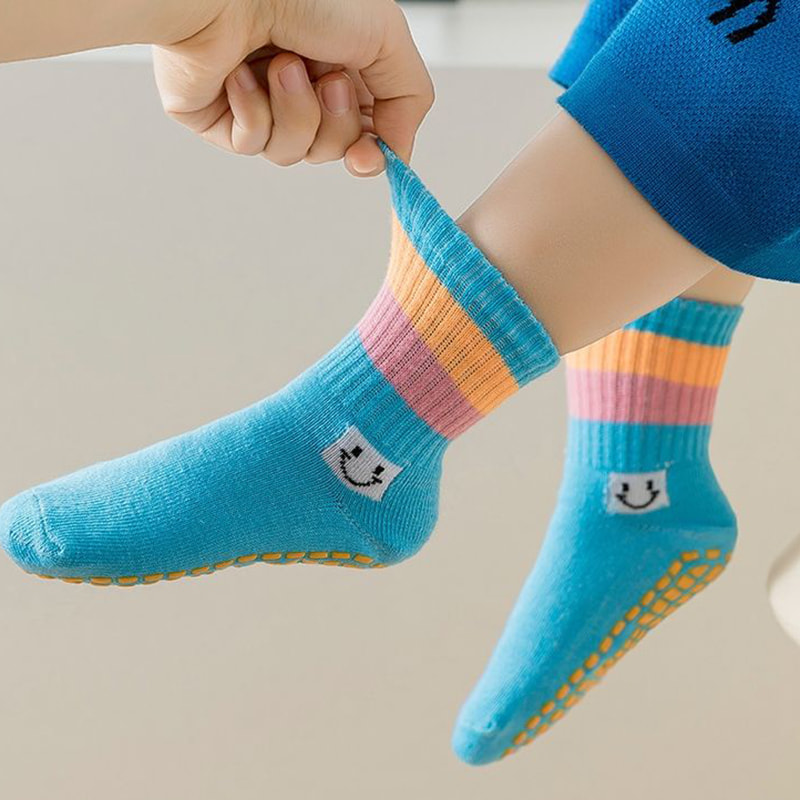
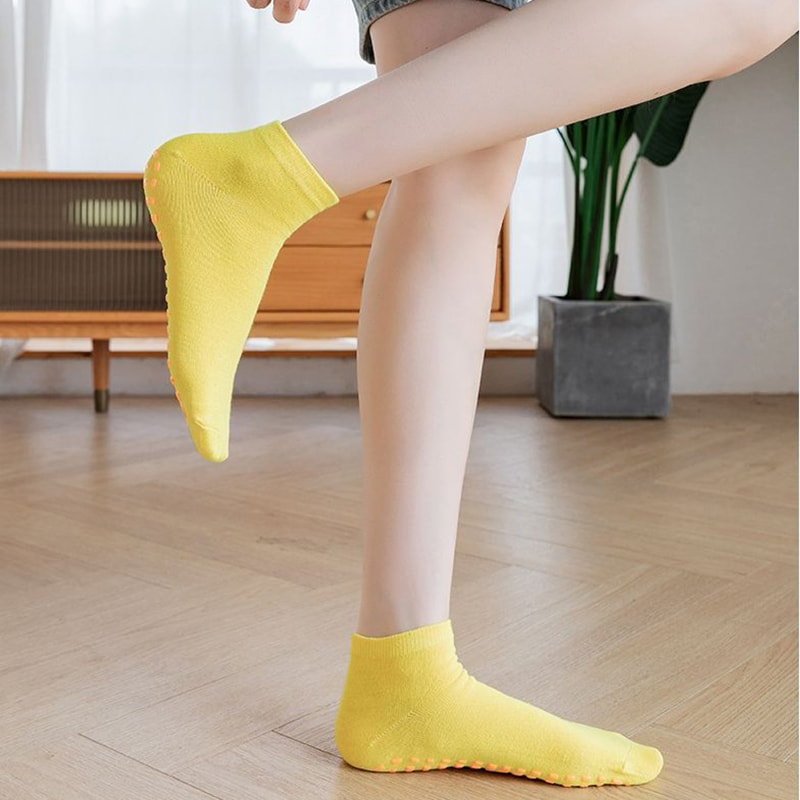
For indoor play on smooth flooring, socks with non-slip rubber or silicone grip dots on the sole provide traction that prevents slipping, a common cause of minor household injuries in young children. These grip patterns should be located on the ball and heel of the foot and should maintain their adhesion through at least 30 wash cycles to provide reliable safety throughout the sock's usable life.
Activity-Based Sock Selection Guide
| Activity / Season |
Recommended Fiber |
Key Feature to Look For |
Avoid |
| School (daily) |
Combed cotton blend |
Flat seam, ribbed cuff |
Bulky toe seams |
| Sports / PE |
Cotton-polyester blend |
Mesh vents, arch support |
100% cotton (retains moisture) |
| Indoor floor play |
Cotton or bamboo |
Non-slip grip sole |
Smooth sole without grip |
| Cool / Autumn weather |
Merino wool blend |
Temperature regulation |
Coarse wool (causes itching) |
| Sensitive skin |
Bamboo viscose |
Seamless construction, OEKO-TEX |
Synthetic-heavy blends |
Table 3: Activity-specific sock selection recommendations for children's short socks by fiber type and key feature.
Design and Aesthetics: Letting Children Choose
While comfort and safety are primary considerations from a parent's perspective, children's engagement with their own clothing plays a meaningful role in how willingly they dress each day. Research in early childhood development indicates that giving children limited choices in their clothing — including socks — fosters a sense of autonomy and reduces morning dressing conflicts significantly.
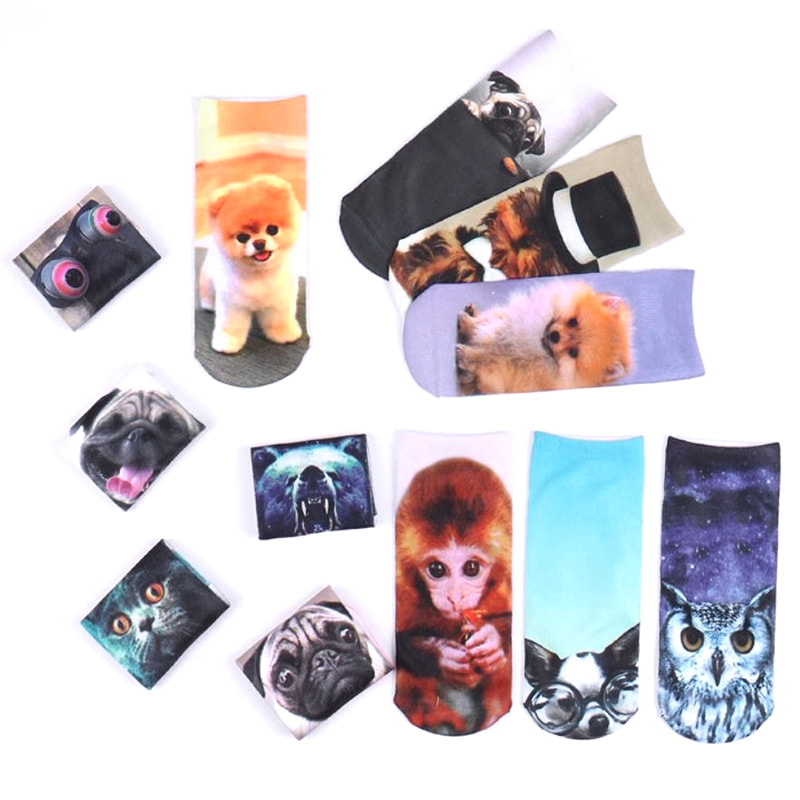
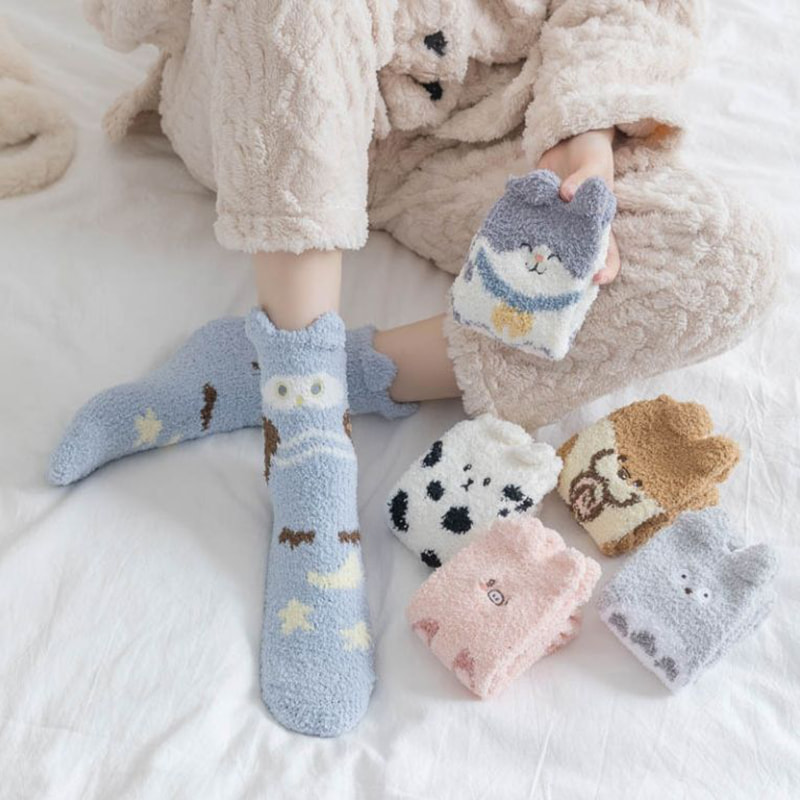
Children's short socks are available in an enormous variety of colors, patterns, and character themes. Socks featuring animals, geometric patterns, stripes, or popular cartoon motifs are effective motivators for children who might otherwise resist sock-wearing. The key is to ensure that decorative elements — particularly any appliqués, rubber prints, or embroidered patches — are applied to the outer surface only and do not create raised textures on the inner surface that could cause irritation.
Well-designed children's socks keep decorative complexity on the outside while maintaining a smooth, soft inner surface. The sock opening is treated to minimize friction during the putting-on process, which is particularly valuable as children develop the fine motor skills to dress themselves independently — typically between ages 3 and 5.
Washing Durability and Long-Term Value
Children's socks are laundered far more frequently than most other garments — often daily. A sock that loses its shape, fades dramatically, or develops holes after 10–15 wash cycles represents poor long-term value regardless of its initial comfort. Evaluating washing durability before purchasing a larger quantity can save significant ongoing expense.
Key durability indicators to look for:
- Color fastness rating of Grade 4 or above (ISO 105-C06 standard) to resist fading under repeated machine washing at 40°C
- Elastic cuff that maintains 90% of its original stretch recovery after 50 wash cycles
- Anti-pilling treatment on the sock body to prevent unsightly fiber balls from forming after friction during wear
- Reinforced knit density in the heel and toe exceeding 80 loops per square centimeter for extended wear resistance
When in doubt, purchasing socks from manufacturers with certified quality management systems — particularly those operating under ISO 9001 or equivalent textile quality standards — provides greater assurance of consistent production quality across batches.
Why Manufacturer Expertise Matters When Buying Children's Socks
The quality of children's short socks is directly shaped by the manufacturing capabilities and quality control standards of their producer. A manufacturer with deep expertise in children's hosiery will have optimized every element of the production process — from fiber selection and yarn tension to knitting machine settings and finishing treatments — specifically to meet the demands of children's wear.
Zhuji Bolong Socks Co., Ltd. is a China-based OEM and ODM manufacturer specializing in children's short socks and a wide range of hosiery products including casual socks, sports socks, floor socks, plush socks, knitted pants, and stockings. Since its establishment, the company has built a reputation for unique design and reliable product quality that has earned the trust of clients and customers both domestically and internationally.
Bolong Socks operates a comprehensive, vertically integrated production chain that encompasses a dedicated design division, raw materials sourcing division, production department, shaping workshop, quality inspection workshop, and packing workshop. This end-to-end control over every stage of the manufacturing process — from raw fiber to finished packaged product — ensures consistent quality across all production runs.
For buyers seeking children's short socks that combine comfort-forward design with verifiable manufacturing quality, working with an experienced OEM/ODM partner like Bolong Socks provides the assurance that every batch meets the material, construction, and safety standards that modern consumers and regulatory bodies demand.
A Quick Checklist for Buying Children's Short Socks
Before making a final purchase decision, run through this practical checklist to ensure the socks you're considering meet the key comfort and safety standards:
- Material: Is the sock made from soft natural or blended fibers (combed cotton, bamboo, or merino wool blend)? Does the label confirm OEKO-TEX or equivalent certification?
- Size: Does the labeled size correspond to your child's actual measured foot length? Are you choosing the upper end of a size range to allow for near-term growth?
- Cuff elasticity: Does the cuff snap back quickly when stretched? Does it feel gentle — not tight — against your wrist when worn?
- Toe seam: Is the toe seam flat (hand-linked) or seamless? Does the inner surface feel smooth with no raised ridges at the toe?
- Reinforcement: Are the heel and toe areas visibly denser when held to light? Is extra yarn used in these high-wear zones?
- Breathability: Does the sock incorporate ventilation zones or moisture-wicking fiber for your child's typical activity level?
- Activity match: Are you choosing a sports sock for sports, a grip sock for indoor play, and a standard comfortable sock for school wear?
- Safety certification: Does the packaging indicate compliance with OEKO-TEX, REACH, or relevant national safety standards for children's textiles?
Final Thoughts
Choosing comfortable children's short socks requires attention to five core factors: fiber quality, accurate sizing, gentle but secure elastic cuffs, flat or seamless toe seams, and appropriate construction for the intended activity. These are not premium concerns reserved for specialty buyers — they are the basic standards every child deserves in their everyday footwear foundation.
By investing a modest amount of care in sock selection — measuring foot length, checking material content, examining cuff elasticity and toe seam construction — parents can eliminate a significant source of daily discomfort for their children. And by sourcing from manufacturers with proven expertise in children's hosiery production, retailers and buyers can be confident that the socks arriving in every package consistently deliver the comfort, safety, and durability that children's active lives demand.



 English
 中文简体
中文简体 Español