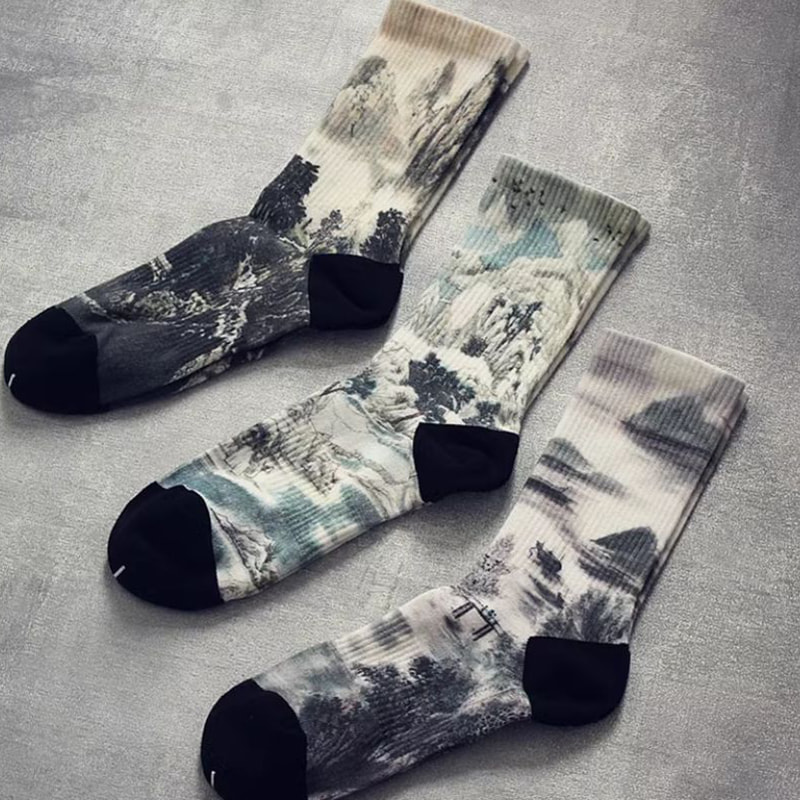
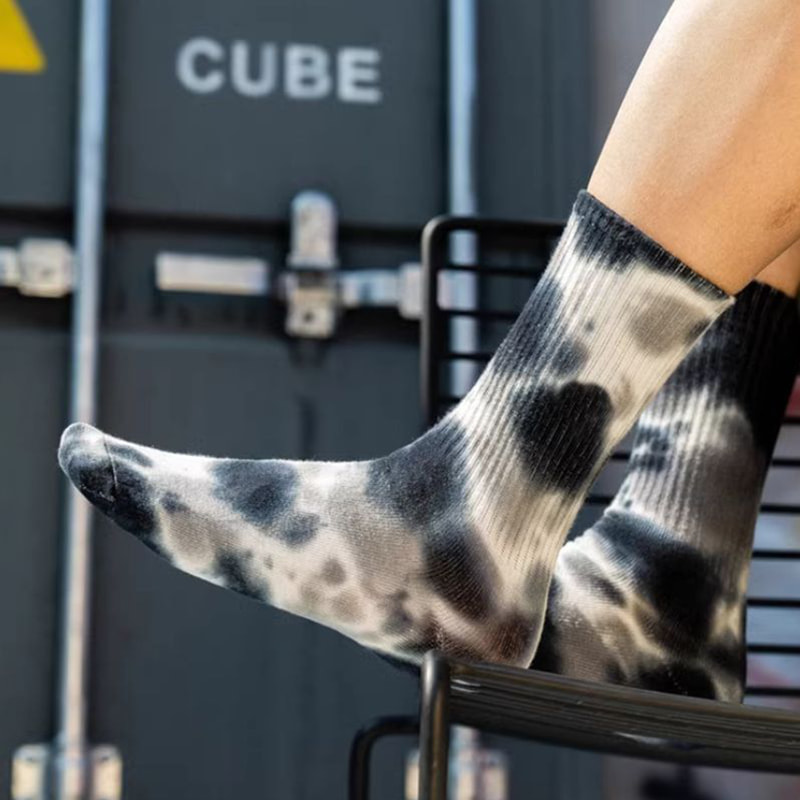
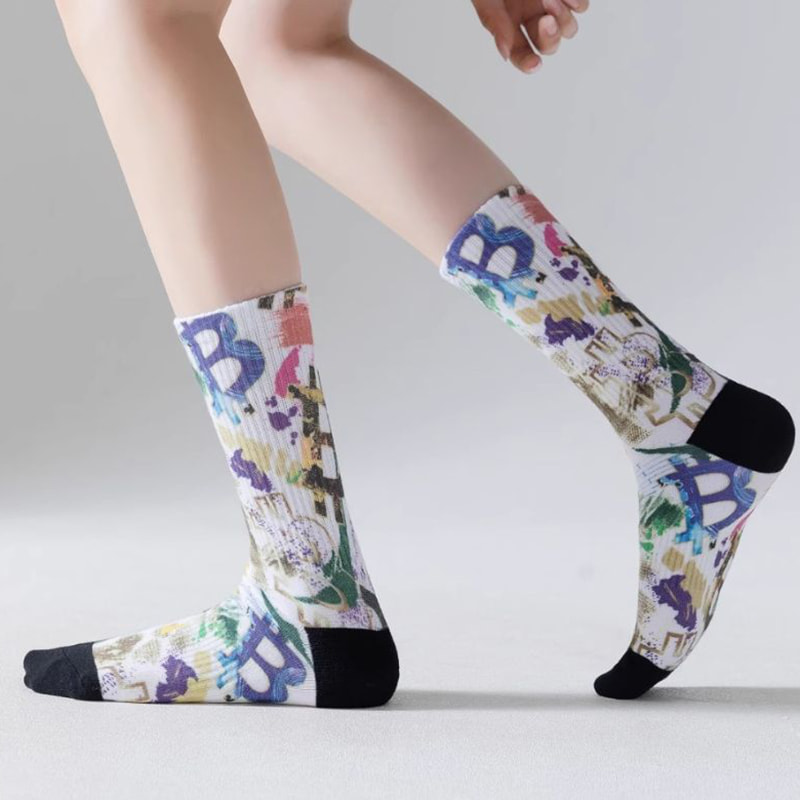
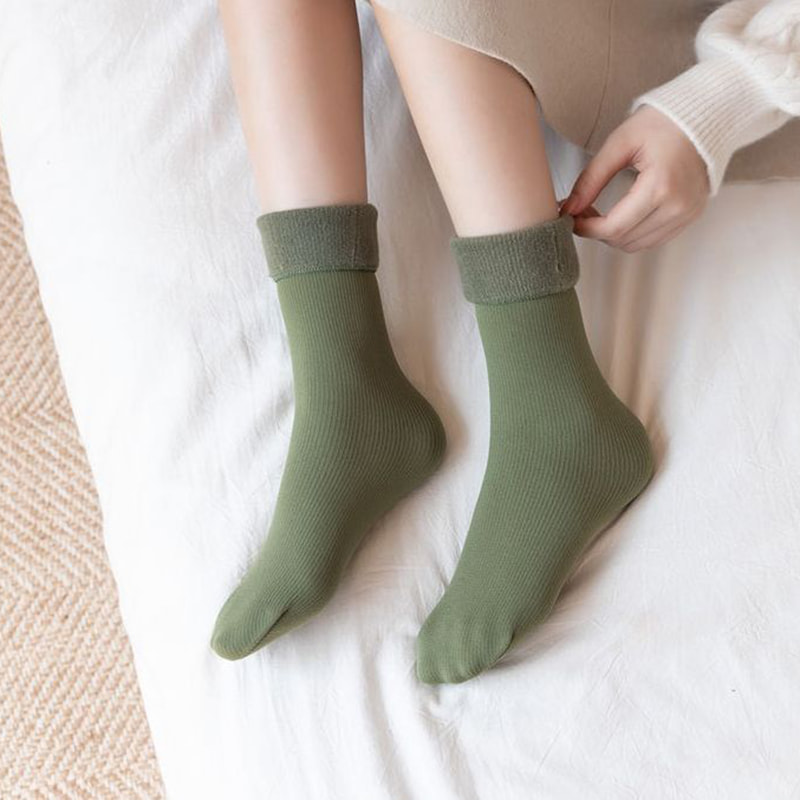
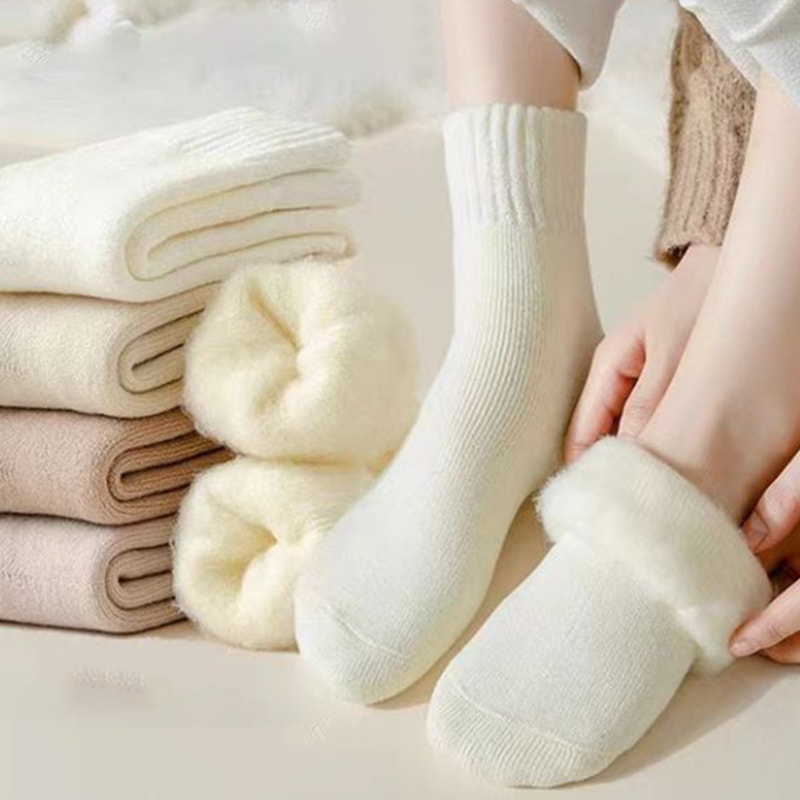
Neither ankle socks nor men's short socks is universally better — the right choice depends entirely on the activity, footwear, climate, and personal style preference. Ankle socks sit just at or slightly above the ankle bone, making them ideal for low-profile footwear, warm weather, and sports where freedom of movement matters most. Men's short socks (also called quarter-length or low-cut crew socks) extend 2 to 4 cm higher up the leg, offering slightly more coverage, better stay-up security, and greater protection against rubbing from higher shoe collars.
As a practical rule: choose ankle socks for casual wear, sneakers, and warm conditions where minimizing visible sock is a priority. Choose men's short socks when wearing running shoes, work boots, or any footwear with a higher collar that would cause ankle socks to slip down or bunch. The sections below break down every meaningful difference to help you decide with confidence.
Defining the Two Sock Styles: What Counts as Ankle vs. Short Sock
Before comparing, it helps to be precise about what each term actually refers to, since these labels are used inconsistently across the industry.
Ankle Socks
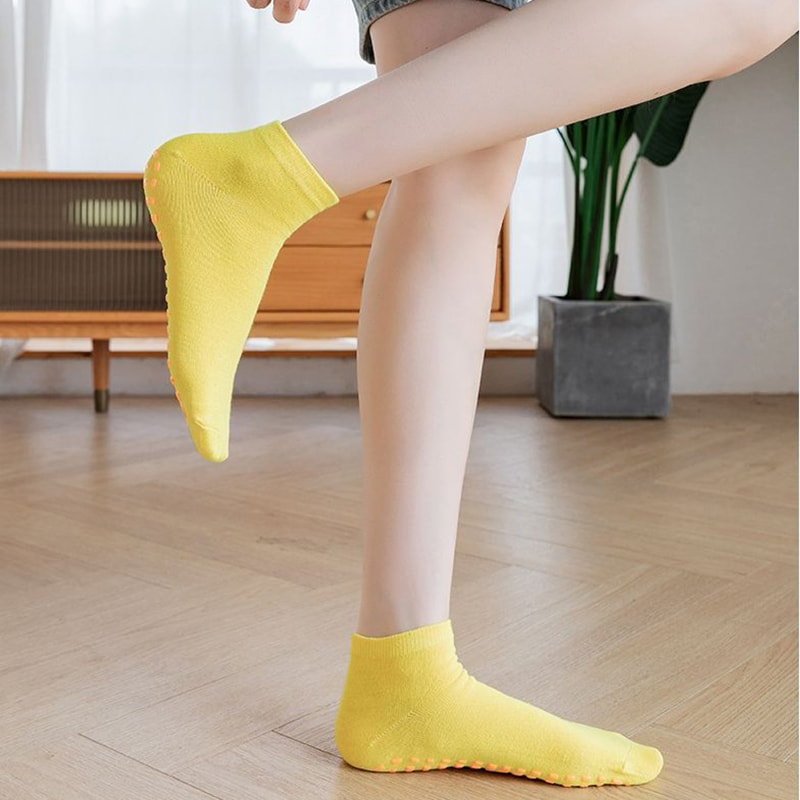
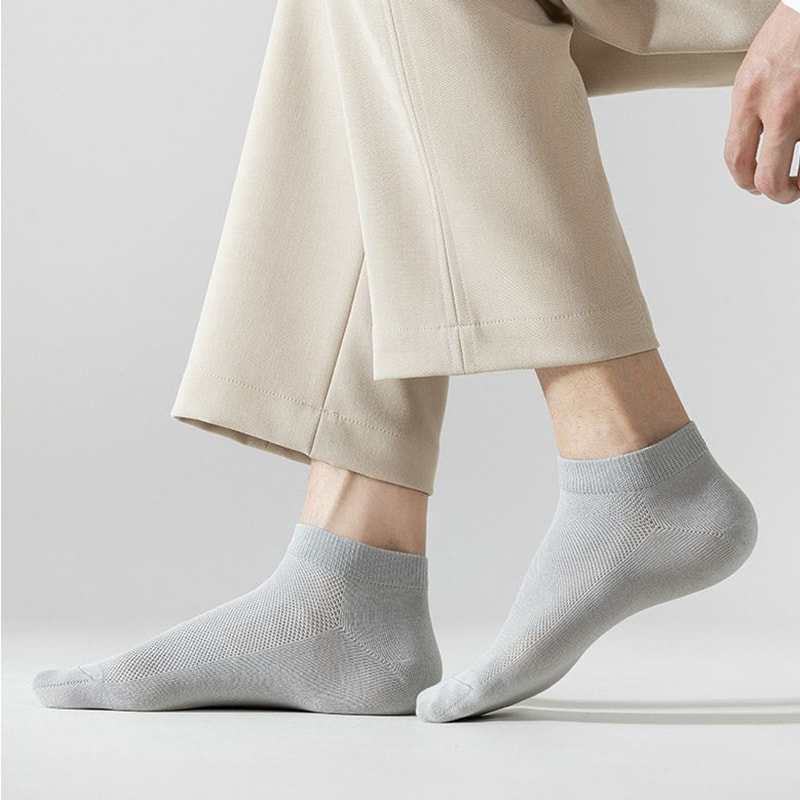
Ankle socks — sometimes called low-cut socks — are designed so that the cuff sits at or just above the ankle bone when worn. The cuff height above the heel is typically 3 to 6 cm. Their defining characteristic is minimal leg coverage: the sock is barely visible above the shoe collar on most footwear, and in some very low-cut designs (often marketed as "no-show" ankle socks), the sock is entirely hidden. Ankle socks prioritize a clean, sock-free visual aesthetic and are the lightest, most minimal option in the short sock category.
Men's Short Socks
Men's short socks — variously called quarter socks, low crew socks, or simply short socks — extend higher than ankle socks, with the cuff sitting 6 to 10 cm above the heel, typically at the lower part of the calf. They are visible above the shoe on most footwear and offer more coverage of the ankle and lower leg. This extra length improves grip inside the shoe, reduces the tendency to slip down during movement, and provides a small amount of additional warmth and protection around the ankle. Men's short socks are the default sock format for most everyday and athletic use in many parts of the world.
Key Differences Side by Side
| Feature |
Ankle Socks |
Men's Short Socks |
| Cuff height above heel |
3 – 6 cm |
6 – 10 cm |
| Visibility above shoe |
Minimal to none |
Clearly visible |
| Stay-up security |
Moderate (can slip in high-collar shoes) |
High |
| Ankle protection from shoe rubbing |
Low |
Moderate to high |
| Warmth |
Lower |
Slightly higher |
| Best footwear match |
Low-top sneakers, loafers, boat shoes |
Running shoes, work shoes, mid-top trainers |
| Best climate |
Warm to hot |
All seasons |
| Style aesthetic |
Clean, minimal, modern |
Classic, athletic, practical |
| Suitable for formal occasions |
Yes (with appropriate footwear) |
Casual to smart-casual only |
| Sports performance |
Good for low-impact, warm conditions |
Better for high-impact, trail, multi-sport |
Side-by-side comparison of ankle socks and men's short socks across key performance and style criteria
Comfort and Fit: How Coverage Affects Wearability
Comfort is subjective, but several measurable factors determine how comfortable each sock type feels across different conditions and activities.
Slipping and Bunching Inside the Shoe
One of the most common complaints about ankle socks is their tendency to slip down inside the shoe during physical activity, creating uncomfortable bunching at the heel or arch. This is particularly pronounced in athletic footwear with a higher shoe collar — running shoes, hiking shoes, and training shoes — where the sock cuff is fully enclosed within the shoe and has no external support. Men's short socks, with their additional cuff length, grip the lower leg more reliably and maintain their position even during high-impact running, lateral movements, and long-distance walking. Surveys of runners consistently find that sock slippage is the most cited comfort issue with ankle socks in athletic use, and that quarter-length short socks are preferred by the majority of regular runners for this reason.
That said, premium ankle socks from quality manufacturers address this with silicone grip strips embedded at the heel cup and inner cuff — small rubber dots or lines bonded to the sock's interior that grip the heel and prevent migration. These features significantly improve ankle sock performance in athletic applications, though they add to the cost.
Protection from Shoe Collar Abrasion
The collar of a shoe — the padded or unpadded edge around the ankle opening — can cause blisters or abrasion if it contacts bare skin repeatedly during movement. Ankle socks, by their nature, sit at or below this contact point on many footwear types, leaving the back of the ankle and Achilles tendon exposed to friction. Men's short socks extend above this zone, providing a layer of fabric between the shoe collar and the skin. Blister formation at the back of the heel and lower ankle is significantly more common with ankle socks than with quarter or short socks in athletic footwear — a particularly important consideration for long-distance runners and hikers covering more than 5 to 10 km per session.
Breathability and Heat Management
Ankle socks expose more of the lower leg to open air, which improves ventilation and keeps the foot cooler in warm weather. This is a genuine comfort advantage in summer conditions — particularly for casual and low-activity wear. Men's short socks cover the ankle and part of the lower leg, retaining slightly more heat in this area. In cool or cold weather, this additional warmth is an advantage; in hot weather, it can feel stuffy, especially in synthetic fabrics. For year-round wearers, men's short socks in lightweight cotton or cotton-blend materials offer a comfortable compromise — enough coverage for warmth when needed, but breathable enough not to overheat in moderate temperatures.
Performance in Sports and Physical Activity
Athletic performance is one of the clearest areas where the two sock types genuinely differ in their practical suitability, and where making the wrong choice has tangible consequences.
Running and Gym Training
For running and gym training — activities involving repetitive high-impact foot strikes and substantial foot perspiration — men's short socks have a meaningful advantage. The additional cuff length prevents the sock from sliding into the shoe, eliminates the Achilles blister risk associated with ankle socks in running footwear, and provides a better moisture-management interface with the shoe's internal padding. Most sports podiatrists and running coaches recommend quarter-length or short-crew athletic socks for distances over 5 km for this combination of reasons. Ankle socks are suitable for gym training on machines, yoga, and short-distance runs where slippage and blistering are less likely.
Court Sports: Tennis, Basketball, and Volleyball
Court sports involve rapid lateral direction changes that place intense side-to-side shear forces on the foot within the shoe. Ankle sock slippage under these conditions is particularly problematic — a bunched sock at the heel mid-game is both uncomfortable and a distraction. Men's short socks, with their more secure fit and better heel cup retention, are the standard choice for serious court sport players. Many competitive tennis and basketball players go further, choosing mid-crew socks for maximum support — but men's short socks are the minimum recommended length for these activities.
Cycling
Cycling is one activity where ankle socks — or even lower no-show socks — are commonly preferred. The cycling motion is low-impact and predominantly rotational, without the heel-strike forces that cause sock migration in running. The enclosed cycling shoe environment keeps ankle socks in place better than open-collar athletic shoes. Additionally, cycling culture places significant emphasis on a clean aesthetic — the visible portion of sock above the cycling shoe is a style element that most cyclists prefer to minimize, making ankle-length or very short cycling-specific socks the norm at all levels from recreational to competitive.
Hiking and Outdoor Walking
For hiking and outdoor walking, men's short socks are clearly the better choice over ankle socks. Hiking boots and trail shoes have higher collars that would cause ankle socks to slip down and bunch inside the boot — a direct cause of blisters on long hikes. The ankle area is also most vulnerable to chafing from boot collars on uneven terrain where the ankle flexes continuously. For day hiking, men's short socks or quarter socks provide adequate protection; for multi-day hiking or mountainous terrain, mid-crew or full crew hiking socks offer the most protection, but men's short socks represent the minimum sensible choice.
Style and Fashion: Which Looks Better in Different Outfits
Style is a major driver of sock choice for many men, and each type serves different aesthetic goals. Understanding which sock type complements which outfit and shoe combination helps avoid common style mistakes.
Ankle Socks and the No-Sock Look
Ankle socks are the tool of choice when a man wants to wear sneakers or casual shoes without visible socks — a look that has been dominant in menswear since the mid-2010s and remains popular. Paired with slim or tapered trousers, chinos, or shorts, low-cut ankle socks create a clean break between shoe and leg with no white tube interrupting the line of the outfit. The no-visible-sock aesthetic is best achieved with ankle socks that sit below the shoe collar — sometimes called invisible or no-show ankle socks — which provide foot protection and moisture management while remaining completely hidden.
This look works particularly well with: low-profile canvas or leather sneakers, loafers, boat shoes, and minimalist athletic shoes. It works less well — and can look unkempt — with more substantial footwear like running shoes with high collars, work boots, or formal dress shoes.
Men's Short Socks and the Athletic or Casual Look
Men's short socks that sit visibly above the shoe are appropriate and stylish in athletic and casual contexts — particularly when paired with athletic footwear, shorts, and casual trousers. A clean white or neutral-colored short sock peeking above the collar of a running shoe or court sneaker is a classic athletic aesthetic that never looks out of place in casual settings. Colored or patterned short socks have also become a deliberate style statement — a small detail that adds personality to an otherwise understated outfit.
The key style rule for men's short socks: avoid wearing visible short socks with dress trousers or formal shoes. When seated, the trouser leg rises and exposes the sock — short socks in this context look informal and out of place. For formal and business occasions, longer crew or dress socks are the correct choice regardless of comfort preference.
Color and Pattern Considerations
Ankle socks, being largely hidden, are typically plain-colored — white, black, gray, or skin-tone — since their decorative value is minimal. Men's short socks, being more visible, offer more opportunity for color and pattern as a style element. Striped, color-blocked, or subtly patterned short socks are widely available and allow men to add a discreet visual detail to an outfit through a low-cost accessory. This is a fashion advantage that ankle socks simply cannot offer by virtue of their minimal visibility.
Materials: How Fabric Choice Interacts with Sock Length
Both ankle socks and men's short socks are available in a wide range of materials, and the material choice significantly affects comfort, durability, and performance independently of the length. Understanding how materials interact with each sock type helps optimize the choice.
Cotton and Cotton-Rich Blends
Cotton is the most widely used material for both ankle and short socks. It offers good moisture absorption, soft hand feel, and comfortable everyday wear. Combed or ring-spun cotton — where short fiber ends are removed before spinning — produces a smoother, more durable, and less prone-to-pilling fabric than standard cotton. Pure cotton (100%) absorbs sweat well but dries slowly, which can feel damp and cold in athletic use. Cotton-polyester blends — typically 70–80% cotton and 20–30% polyester — retain the comfort of cotton while improving durability, shape retention, and drying speed. For everyday casual wear, cotton or cotton-rich ankle socks and short socks are the most comfortable choice and represent the best value for most men.
Polyester and Synthetic Performance Fabrics
Polyester and nylon-based socks are engineered for athletic performance. They wick moisture away from the skin rapidly — typical moisture-wicking polyester moves sweat to the outer surface of the fabric 3 to 5 times faster than cotton — and dry much more quickly, reducing the risk of blisters from prolonged moisture contact. Polyester and nylon are also significantly more abrasion-resistant than cotton, meaning high-wear areas (heel, ball of foot, toe box) last considerably longer in heavy use. For running, gym training, and high-sweat activities, polyester or nylon-dominant blends are the better material choice in both ankle and short sock formats.
Blended Materials: The Best of Both Worlds
The most versatile socks for men who want a single type that works across multiple activities are those made from thoughtfully blended materials. A typical high-performance blend might be 60% cotton, 35% polyester, and 5% elastane (spandex). The cotton provides comfort and natural moisture absorption; the polyester adds durability and faster drying; and the elastane provides stretch recovery that helps the sock maintain its shape and prevent slipping during active use. This combination works well in both ankle and short sock formats, making it the best default choice for men who are not optimizing for a single specific activity.
Elastane and Cuff Elasticity
The elastane content in the cuff is particularly important for ankle socks, where the cuff must grip the ankle reliably without the benefit of extra length. A well-designed ankle sock cuff contains 15 to 20% elastane in the cuff zone — enough to grip firmly without cutting off circulation. Men's short socks can rely partially on length for stay-up security, but still benefit from elastane in the cuff for consistent, comfortable fit that does not loosen over the course of a day.
Durability and Value: Which Lasts Longer per Dollar Spent
From a purely economic standpoint, men's short socks use slightly more material than ankle socks of equivalent construction, which generally makes them marginally more expensive per pair at the same quality level. However, durability differences between the two types are driven more by material and construction quality than by length, and both types wear out at similar rates under comparable use conditions.
The key durability factors — regardless of length — are:
- Reinforced heel and toe: Socks with extra fabric density or reinforcing threads at the heel and toe area last significantly longer than those without. Look for terms like "cushioned sole," "reinforced heel," or "terry loop" on the product description — these indicate areas of additional fabric that resist abrasion.
- Yarn quality: Higher-quality combed or ring-spun cotton yarns, and higher-denier nylon or polyester fibers, produce more durable socks that maintain their shape and resist pilling significantly longer than entry-level alternatives.
- Seamless toe construction: A flat-knit or seamless toe closure eliminates the raised seam across the toe box that causes irritation and is also a common failure point where holes first develop.
- Wash care: Both types benefit from washing in cool water (30°C or below) and air drying rather than tumble drying. High heat degrades elastic fibers and accelerates fiber breakdown in both cotton and synthetic socks, regardless of length.
A mid-range cotton-blend ankle sock or short sock from a reputable manufacturer, washed and dried correctly, should provide 12 to 24 months of regular use before thinning or hole formation. Budget alternatives may show wear after only 3 to 6 months of comparable use — making cost-per-wear a more reliable value metric than purchase price alone.
Climate and Season: Matching Sock Length to the Weather
Climate is an underappreciated factor in the ankle vs. short sock decision, and adjusting sock choice seasonally can meaningfully improve daily comfort.
Hot Weather and Tropical Climates
In consistently hot weather — daily temperatures above 28°C — ankle socks provide a genuine comfort advantage by maximizing airflow around the ankle and lower leg. The reduced fabric coverage means less heat is trapped against the skin, and the lighter weight of ankle socks reduces the total insulating layer on the foot. For men living in tropical or subtropical climates who wear sneakers or casual shoes daily, ankle socks are the more comfortable everyday choice for most of the year. Thin cotton or moisture-wicking synthetic ankle socks are the optimal material choice for this climate.
Temperate and Cool-Weather Conditions
In temperate climates with cold winters and mild summers, men's short socks are the more versatile year-round choice. The additional ankle coverage provides meaningful warmth when temperatures drop, while quality breathable materials prevent overheating in warmer months. In true cold weather below 10°C, most men switch to mid-crew or full-crew socks for maximum warmth — but men's short socks bridge the gap comfortably in cool-to-mild conditions where ankle socks feel insufficient but full crew socks feel excessive.
Seasonal Strategy: Using Both Types
The most practical approach for men in climates with distinct seasons is to maintain a supply of both types and switch based on conditions. A suggested seasonal approach:
- Summer (above 25°C daily average): Lightweight cotton or cotton-blend ankle socks for casual and everyday wear; moisture-wicking synthetic ankle or short socks for sports.
- Spring and autumn (10–25°C): Cotton-blend men's short socks as the default; ankle socks on particularly warm days.
- Winter (below 10°C): Men's short socks or mid-crew socks for casual wear; wool-blend or thermal short-to-mid crew socks for outdoor activities.
Which Sock Is Right for Each Situation: A Practical Decision Guide
Rather than declaring one type categorically better, the most useful approach is to match the sock type to the specific situation. The table below provides a clear recommendation for the most common scenarios men face:
| Situation |
Recommended Choice |
Reason |
| Low-top sneakers, casual daily wear |
Ankle socks |
Clean minimal look, comfortable fit inside low-collar shoe |
| Running (5 km+) |
Men's short socks |
Prevents slippage and Achilles blistering during high-impact motion |
| Gym training (weights, machines) |
Ankle socks or short socks |
Either works; ankle socks feel lighter, short socks give more support |
| Court sports (tennis, basketball) |
Men's short socks |
Superior grip and stability during lateral movements |
| Cycling (road or casual) |
Ankle socks |
Enclosed shoe keeps sock in place; minimal aesthetic preferred |
| Hiking and trail walking |
Men's short socks (minimum) |
Ankle protection from boot collar; prevents blister formation |
| Office / smart-casual setting |
Ankle socks (with low-profile shoes) |
No visible sock; cleaner look with dress-casual footwear |
| Hot summer weather |
Ankle socks |
Maximum airflow, minimum heat retention around ankle |
| Cool or variable weather |
Men's short socks |
Additional ankle coverage provides comfort when temperatures drop |
| Work boots or mid-top shoes |
Men's short socks |
Ankle socks will slip and bunch inside high-collar footwear |
Situation-based recommendation guide for choosing between ankle socks and men's short socks
Building a Practical Sock Wardrobe: The Smartest Approach
For most men, the optimal answer to "ankle socks or short socks?" is not to choose one exclusively, but to maintain a small supply of both and select based on the day's footwear and activity. A practical, cost-effective sock wardrobe for a man in a temperate climate might consist of:
- 5 to 7 pairs of ankle socks in neutral colors (white, gray, black) made from cotton-blend or moisture-wicking fabric — for casual daily wear with low-top sneakers and in warm weather.
- 5 to 7 pairs of men's short socks in neutral or sport colors from a quality cotton-polyester-elastane blend — for athletic use, hiking, cooler days, and any footwear with a higher collar.
- 3 to 5 pairs of longer crew socks in neutral or dark colors — for formal occasions, cold weather, and boot wear where neither ankle nor short socks would be appropriate.
This approach covers every common situation without over-investing in any single type, and ensures that the right sock is always available regardless of how the day's plans develop. Buying fewer pairs of better quality — and replacing them on a planned cycle rather than waiting for holes to appear — delivers better comfort, better durability, and ultimately better value than accumulating a large collection of budget-grade socks of either type.



 English
 中文简体
中文简体 Español