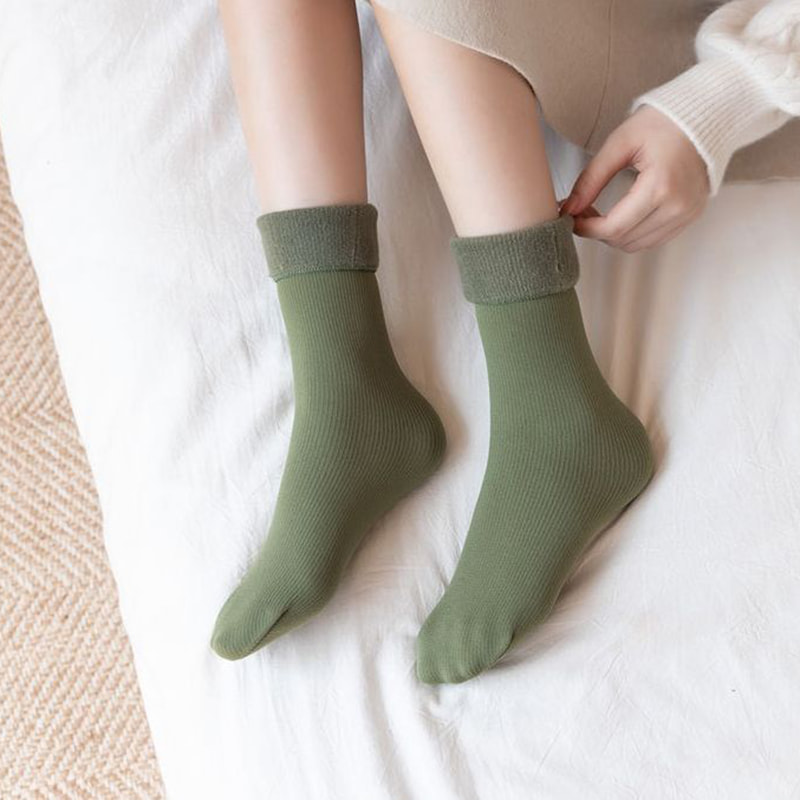
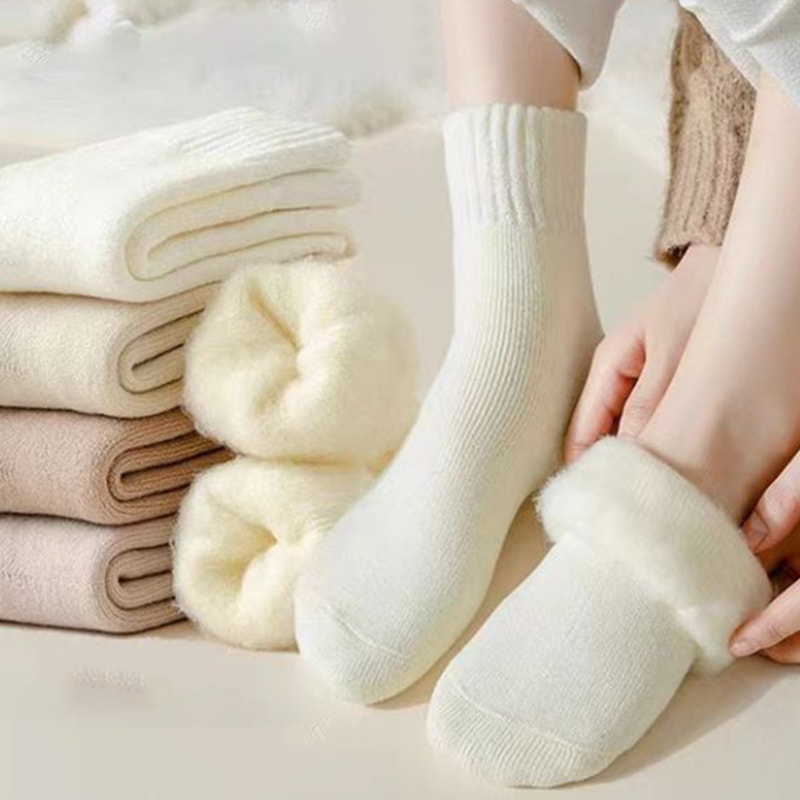
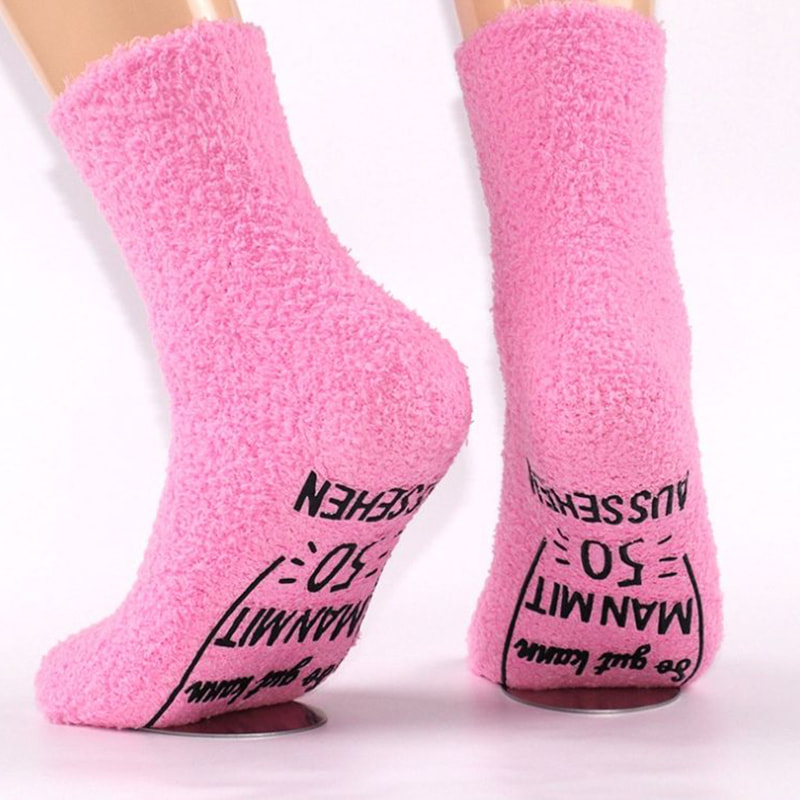
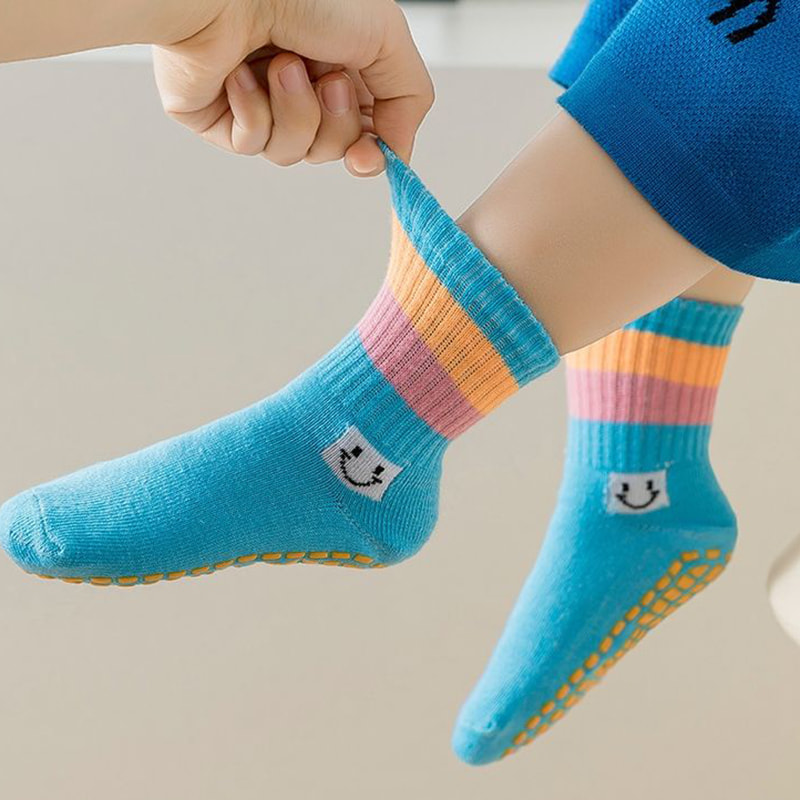
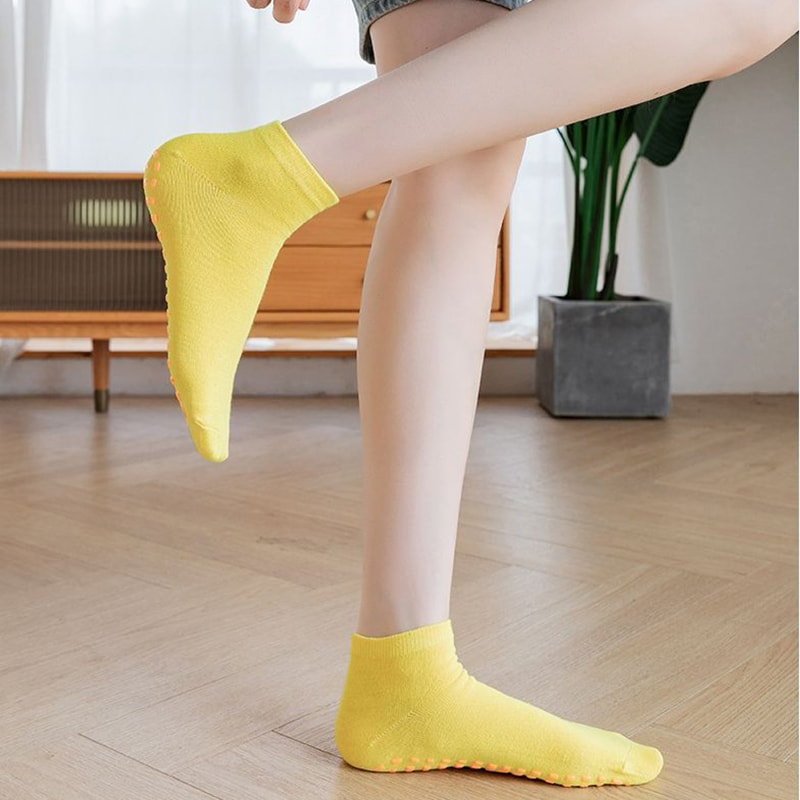
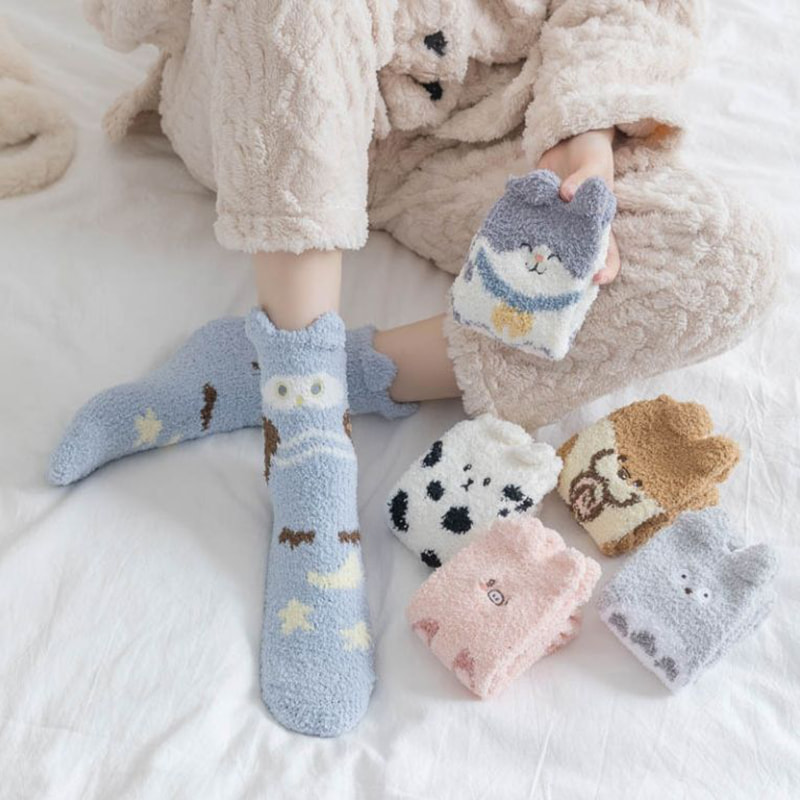
Neither Women's Mid Tube Socks nor ankle socks are universally better — the right choice depends on your activity, footwear, style intent, and the level of coverage and warmth you need. Mid tube socks are better for cold weather, visible styling with sneakers or boots, calf coverage during sport, and outfits where the sock is meant to be seen. Ankle socks are better for low-cut or minimalist footwear, warm weather, and situations where you want the sock to be invisible. Understanding where each type excels makes it easy to choose the right one every time rather than defaulting to habit.
The Core Difference That Drives Every Other Comparison
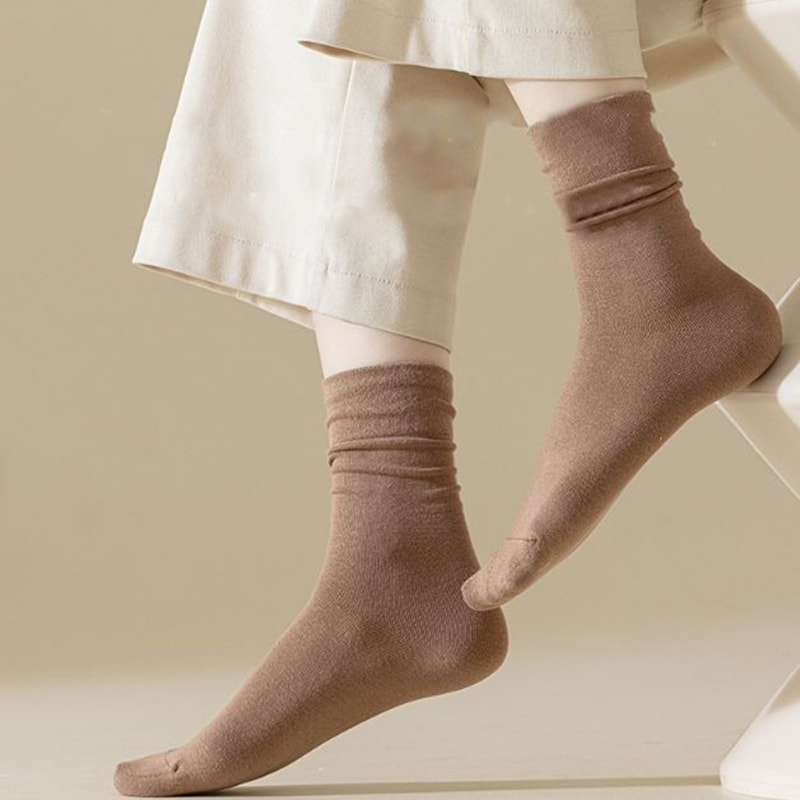
The entire comparison flows from one fundamental difference: shaft height. An ankle sock rises to just above the ankle bone — typically 3 to 7 cm above the heel — leaving the lower leg bare above the shoe line. A mid tube sock rises to mid-calf — typically 15 to 25 cm above the ankle — creating a visible fabric shaft above the shoe that changes how the sock performs, looks, and feels in every context.
This height difference also reflects a construction difference. Most ankle socks include a shaped heel cup that anchors the sock to the foot anatomy. Mid tube socks use a cylindrical construction without a heel cup, relying on elastic fabric tension to hold position. This means ankle socks tend to stay in place more precisely on the foot, while mid tube socks offer greater size flexibility and calf coverage at the cost of some heel precision.
Coverage and Warmth: Mid Tube Socks Win Clearly
For warmth and lower-leg protection, Women's Mid Tube Socks are the unambiguous choice. The mid-calf shaft covers the ankle, Achilles tendon, and lower calf — areas that are fully exposed with an ankle sock and that lose heat rapidly in cool conditions. This extra coverage makes a measurable practical difference in several scenarios:
- Cold weather outdoor activity: The lower leg and ankle are primary heat-loss zones during walking or running in cold conditions. A mid tube sock insulates these areas without requiring thermal tights or compression socks, making it a practical layering choice for temperatures below 15 degrees Celsius
- Boot wearing: When wearing ankle boots or mid-height boots, a mid tube sock fills the boot shaft, prevents the boot lining from rubbing directly against the skin, and insulates the ankle joint that is often poorly covered by a boot's own lining. An ankle sock in the same boot leaves the ankle and lower calf exposed inside the boot shaft
- Seated indoor environments: In air-conditioned offices, classrooms, or public transport where legs are exposed under a desk or seat, mid tube socks provide sustained warmth that ankle socks cannot match
- Protection from friction and debris: The extended shaft protects the lower leg from shoe collar friction, grass, trail debris, and insect contact during outdoor activities — a practical benefit that has nothing to do with temperature
Research by the Textile Research Journal found that calf-length sock coverage reduces perceived leg cold sensation by approximately 22% compared to ankle-length coverage at the same ambient temperature of 10 degrees Celsius, due to the insulation of the ankle joint and Achilles tendon region that has a high surface-area-to-volume ratio and loses heat disproportionately quickly. (Source: Textile Research Journal, Vol. 84, Issue 16, 2014)
Style and Fashion: Different Strengths for Different Looks
From a style perspective, mid tube socks and ankle socks serve very different aesthetic functions. Neither is more stylish in the abstract — each is correct for a specific visual outcome.
When Mid Tube Socks Are the Stronger Style Choice
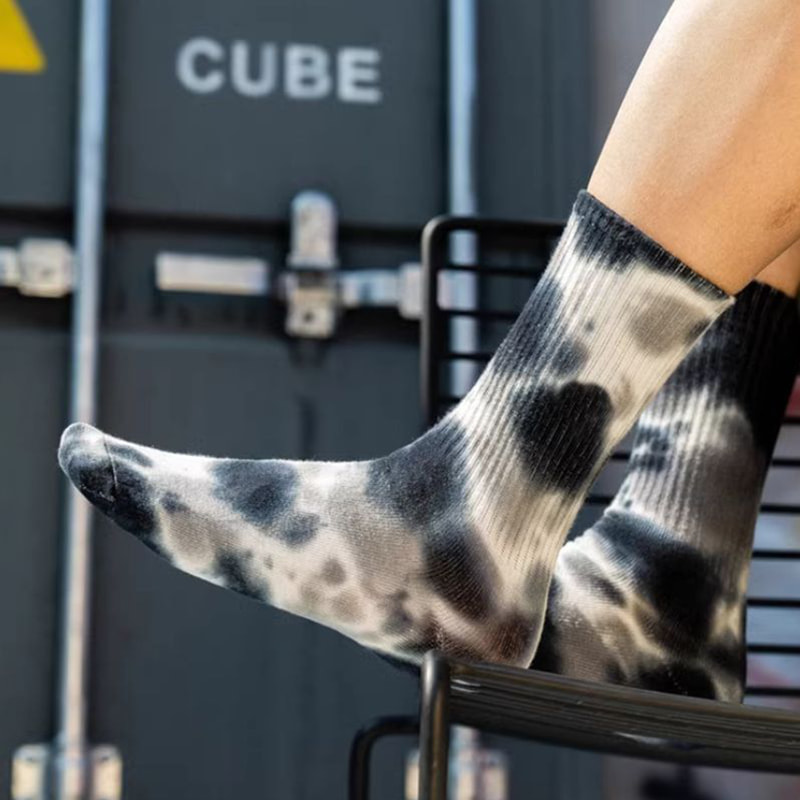
Mid tube socks create a visible band of color, pattern, or texture between the shoe and the lower leg. This sock-as-accessory function has become a significant element in several current fashion contexts:
- Chunky sneakers with cropped or rolled trousers: The mid tube sock fills the visual gap between the shoe tongue and the trouser hem, creating a layered look that an invisible ankle sock cannot achieve
- Shorts or mini skirts with sneakers or high-tops: The mid calf shaft creates a visual balance between bare leg above and sock plus shoe below that is widely used in athleisure and street style
- Retro and athletic aesthetic: Mid tube socks are closely associated with 1970s to 1990s athletic styling — basketball, tennis, and running looks — that cycle regularly through mainstream fashion trends
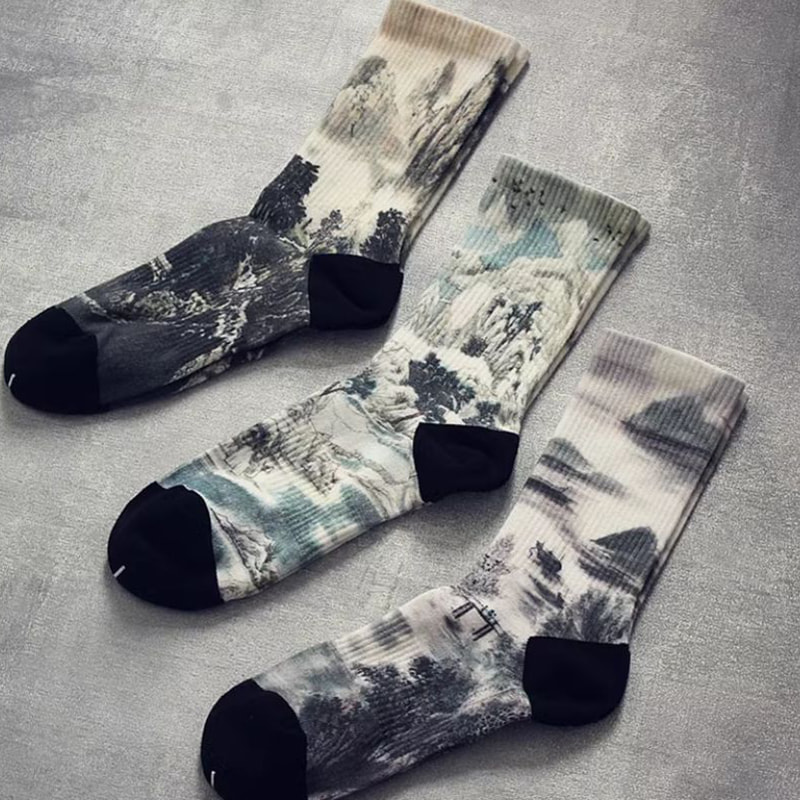
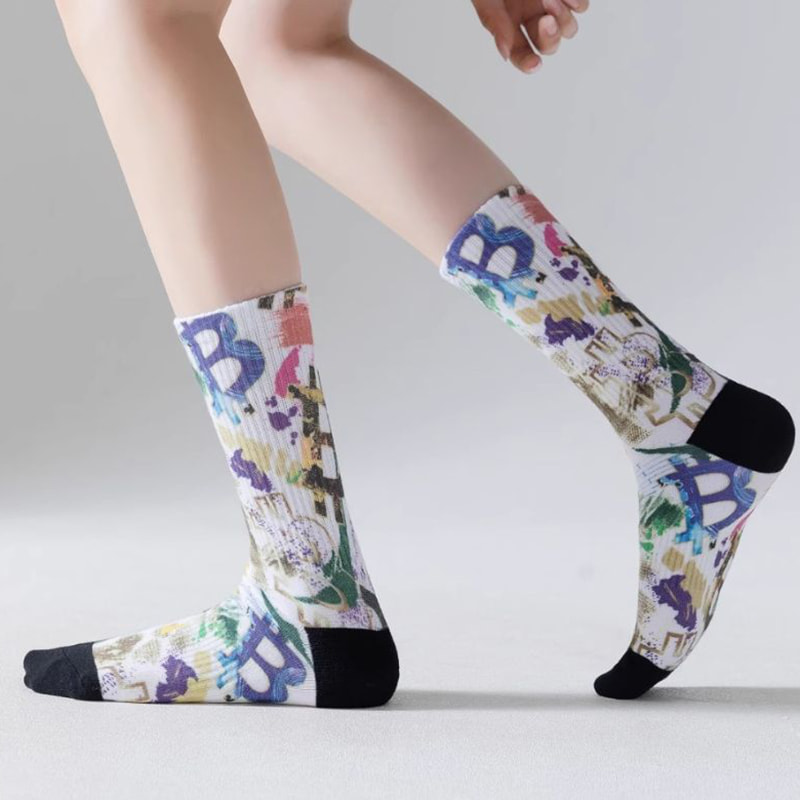
- Statement prints and patterns: Bold stripes, graphic prints, and color-block designs are significantly more impactful on a mid tube sock where the full design is visible above the shoe, compared to an ankle sock where most of the design is hidden
According to data from the WGSN Global Fashion Accessories Trend Report, mid-calf and crew-length socks were identified among the top 10 accessories growth categories in women's fashion for 2022 to 2024, driven specifically by the statement sock trend with chunky footwear and cropped silhouettes. (Source: WGSN Global Fashion Accessories Trend Report, 2023)
When Ankle Socks Are the Stronger Style Choice
- Low-cut or minimalist footwear: Pumps, ballet flats, low-profile sneakers, and mules are designed to show the foot with minimal or no visible sock. An ankle sock provides foot protection without visually disrupting the shoe silhouette
- Streamlined leg line with fitted trousers: When full-length trousers are worn, a visible mid tube sock can create an unwanted visual break at the ankle when the trouser leg rides up. An ankle sock stays below the hemline and maintains a clean silhouette
- Warm-weather and resort wear: In summer clothing contexts where bare legs are the visual priority, an ankle sock provides hygiene and shoe comfort without adding visual weight to the lower leg
Athletic Performance: A Closer Comparison
For active use, the performance differences between mid tube socks and ankle socks are more significant than in casual contexts:
| Activity |
Better Choice |
Reason |
| Running — short distances (under 5 km) |
Either |
Comfort difference is minimal at shorter distances |
| Running — longer distances (5 km and above) |
Ankle sock (shaped) |
Heel cup reduces blister risk at sustained friction zones |
| Basketball and court sports |
Mid Tube Sock |
Calf coverage protects against shoe collar abrasion during lateral movement |
| Tennis |
Mid Tube Sock |
Classic court aesthetic; shaft protects Achilles from shoe tongue friction |
| Gym training and weight lifting |
Either |
Minimal performance difference; personal and style preference applies |
| Hiking |
Mid Tube Sock |
Calf coverage protects against trail debris, abrasion, and insects |
| Yoga and pilates |
Ankle sock or no-show |
Minimal footwear; shorter sock avoids bunching during floor work |
| Cold-weather outdoor exercise |
Mid Tube Sock |
Ankle joint insulation reduces heat loss during sustained outdoor activity |
A 2019 study in the Journal of Sports Sciences found that ankle coverage from calf-length socks reduced perceived exertion by approximately 4% in cold-weather (8 degrees Celsius) endurance runs compared to ankle-length socks, attributed to reduced vasoconstriction in the lower leg that allowed more consistent blood flow to working muscles. (Source: Journal of Sports Sciences, Vol. 37, Issue 13, 2019)
Comfort for All-Day Wear
For extended daily wear — sitting, walking, commuting, and standing — both sock types are comfortable when made from appropriate materials. The comfort differences that do emerge relate to specific conditions:
Where Mid Tube Socks Are More Comfortable
- In boots or high-top shoes: The shaft fills the boot interior and prevents the boot lining from rubbing directly against the lower leg skin, which is a common source of friction irritation over a full day of wear
- In cooler environments: The insulation at the ankle and lower calf prevents the cold-feet-but-warm-body discomfort that ankle socks produce in air-conditioned rooms or cool weather
- During active standing: Light compression from the elasticated calf shaft of a mid tube sock provides gentle support to the lower leg during prolonged standing, which some wearers find reduces leg fatigue
Where Ankle Socks Are More Comfortable
- In hot weather: Less fabric coverage means less heat retention at the lower leg — a clear advantage in temperatures above 25 degrees Celsius or during high-exertion summer activity
- With lightweight and low-cut footwear: A visible shaft from a mid tube sock inside a ballet flat or pump looks incongruous and can bunch at the ankle; an ankle sock provides a clean, invisible foundation
- For heat-sensitive individuals: People who run warm or who experience lower leg swelling benefit from the reduced compression and heat retention of an ankle sock during sedentary periods
Practicality: Sizing, Laundry, and Value
Beyond performance and style, there are practical considerations that favor each type in different household and purchasing contexts:
| Practical Factor |
Mid Tube Socks |
Ankle Socks |
| Size coverage per pair |
3 to 4 shoe sizes — easier to buy as gifts or in bulk |
1 to 2 shoe sizes — more size-specific |
| Pairing after laundry |
Easy — shaft length makes pairs visually distinct |
Can be harder — short socks look similar in the laundry pile |
| Drying time |
Slightly longer — more fabric |
Faster — less total fabric |
| Visibility of wear and pilling |
More visible on the exposed shaft |
Less visible — wear mostly hidden inside shoe |
| Versatility across seasons |
Higher — works well autumn through spring |
Best in spring and summer |
| Ease of gifting or household buying |
Higher — wider size range fits more recipients |
Lower — requires knowing exact shoe size |
Which Should You Buy? A Decision by Situation
If you are building a sock wardrobe or deciding between the two types for a specific purpose, use this as a direct guide:
| Your Situation |
Better Choice |
| Wearing sneakers with cropped jeans or shorts as a style statement |
Mid Tube Socks |
| Cool or cold weather — outdoor or indoor |
Mid Tube Socks |
| Wearing boots (ankle or mid-height) |
Mid Tube Socks |
| Basketball, tennis, or court sports |
Mid Tube Socks |
| Hiking or trail walking |
Mid Tube Socks |
| Hot weather — summer casual or holiday |
Ankle Socks |
| Low-cut or minimalist footwear (flats, pumps, low sneakers) |
Ankle Socks |
| Long-distance running (5 km and above) |
Ankle Socks (shaped, padded) |
| Yoga, pilates, or floor-based exercise |
Ankle Socks or no-show |
| General everyday versatility across seasons |
Mid Tube Socks |
The ZJBL Women's Mid Tube Socks are designed specifically for this versatile everyday role — offering the right shaft height, elastic recovery, and cotton-blend comfort to work well across casual outfits, light athletic use, and cooler-season styling where calf coverage and visible design matter. They represent a practical starting point for anyone building out a sock wardrobe that works beyond the limits of a basic ankle sock.
The final answer: for most women building a practical, year-round sock wardrobe, Women's Mid Tube Socks are the more versatile choice — they cover more seasons, more footwear types, and more style contexts than ankle socks. Add ankle socks for summer, low-cut footwear, and performance running, and you have a complete sock wardrobe that works for every situation.



 English
 中文简体
中文简体 Español