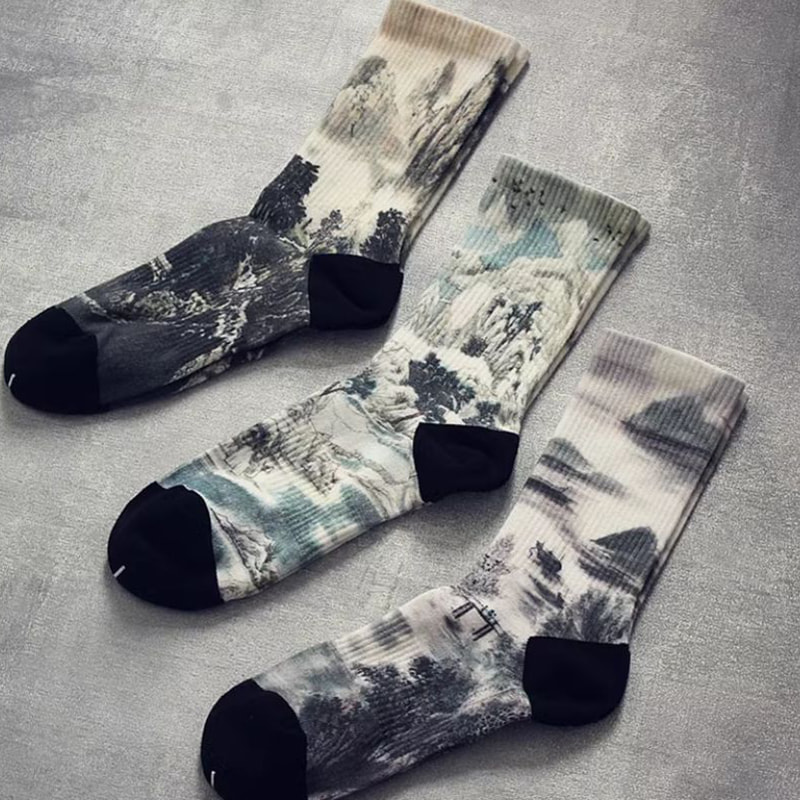
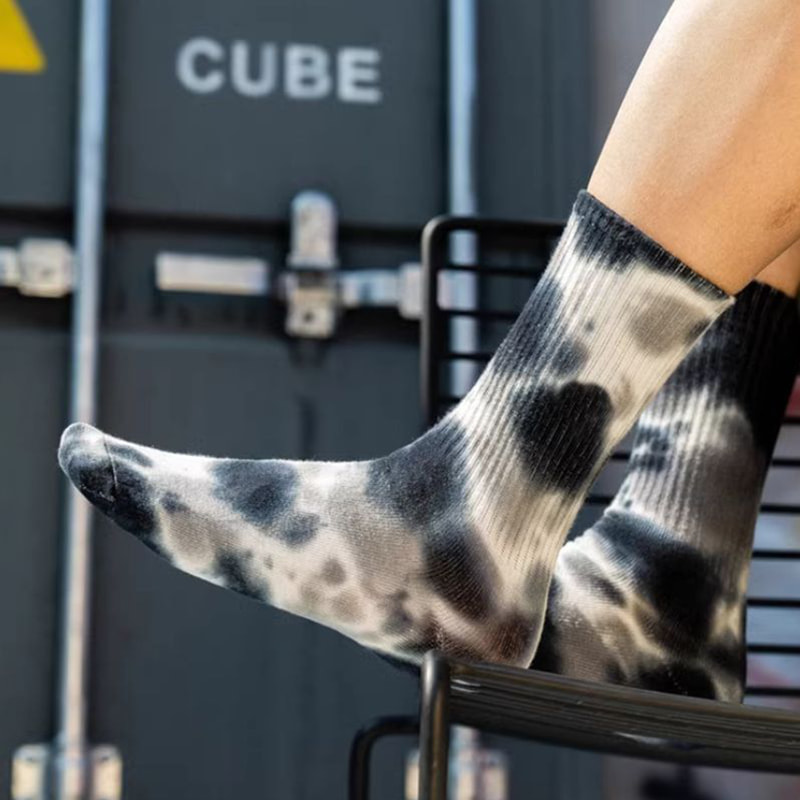
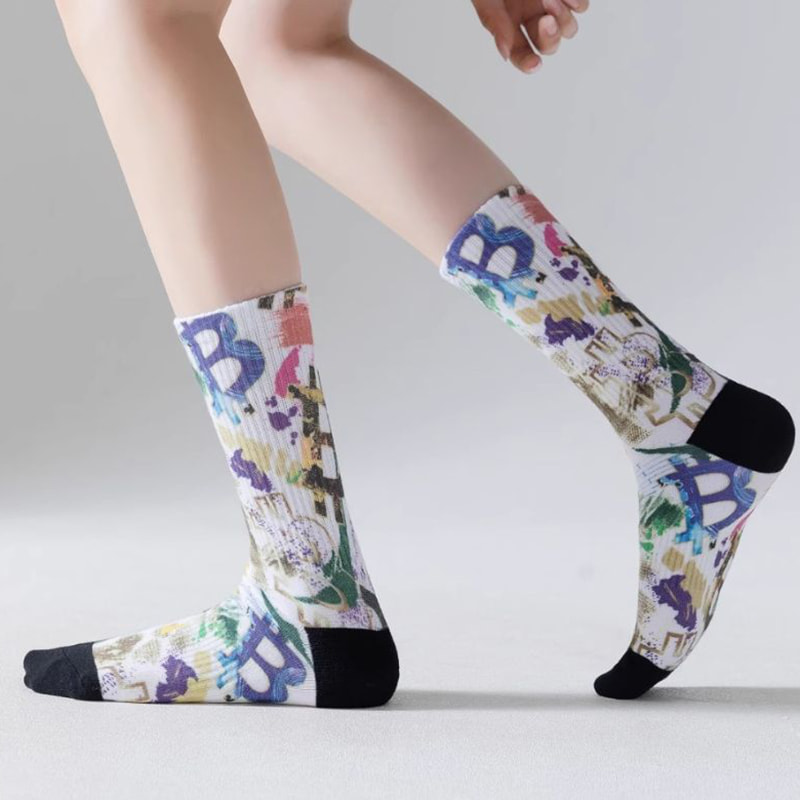
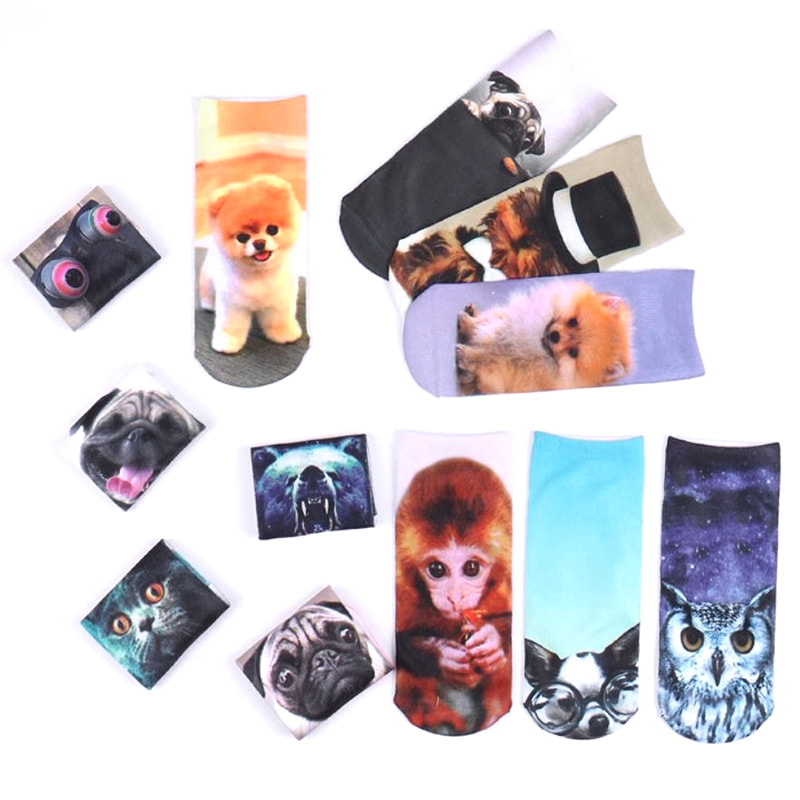
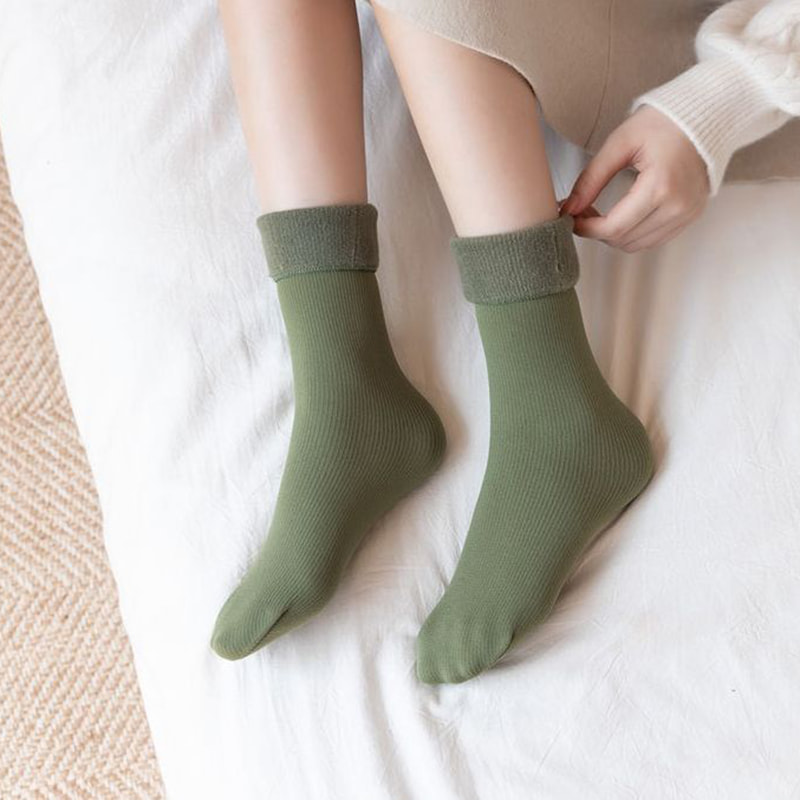
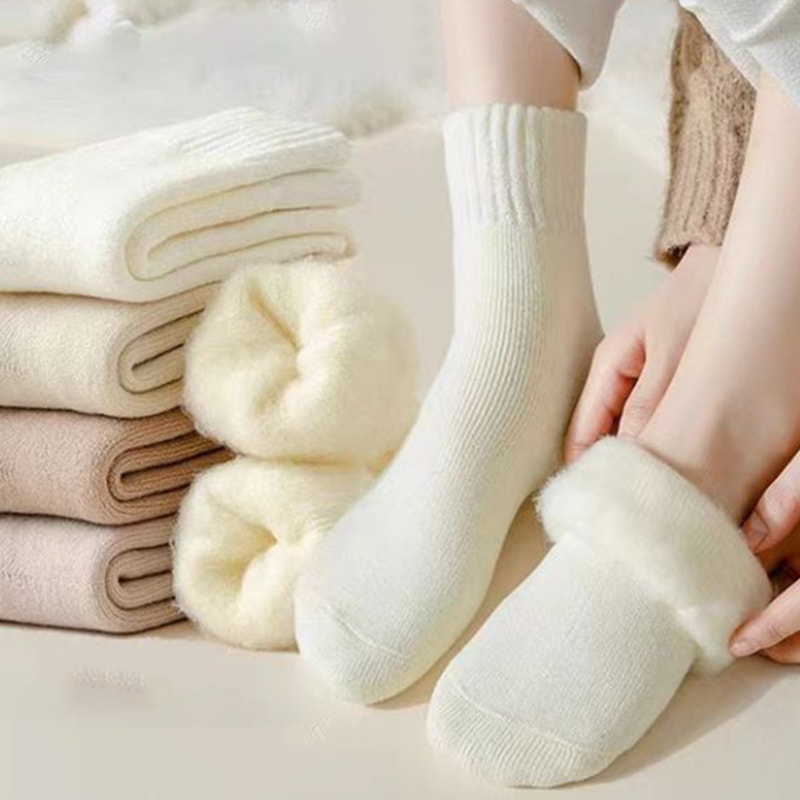
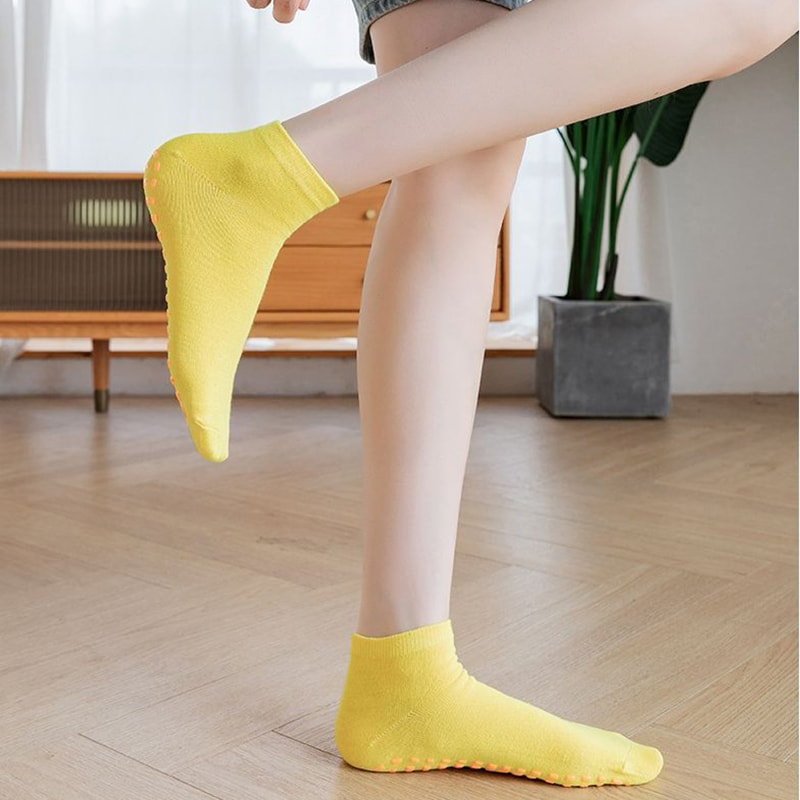
The main difference between Women's Mid Tube Socks and regular socks is shaft length, construction shape, and intended purpose. A regular sock — typically a low-cut, ankle, or no-show style — is shaped with a distinct heel cup and fitted to the contour of the foot and ankle. A mid tube sock has a uniform cylindrical shaft that rises to mid-calf height (usually 15 to 25 cm above the ankle), contains no heel seam or heel-shaping, and is designed to fit a range of foot sizes and calf widths through its tubular stretch construction. This seemingly simple distinction produces real differences in comfort, coverage, styling versatility, and athletic performance that make each type better suited to specific uses.
Shaft Length: The Most Visible Difference
The shaft length is the first and most obvious distinction between sock types. Socks are generally categorized by how far they extend up the leg, and this measurement directly determines what footwear they pair with, how much coverage and warmth they provide, and how they look as a visible style element.
| Sock Type |
Typical Shaft Height |
Coverage Area |
Typical Footwear Pairing |
| No-show / Liner |
Below ankle — hidden inside shoe |
Foot only |
Loafers, flats, low-cut sneakers |
| Low-cut / Ankle |
Just above ankle bone (3 to 7 cm) |
Foot and lower ankle |
Running shoes, casual sneakers |
| Crew sock |
Mid-calf (10 to 15 cm above ankle) |
Foot, ankle, and lower calf |
Most athletic and casual footwear |
| Mid Tube Sock |
Mid-calf (15 to 25 cm above ankle) |
Foot, ankle, and mid-calf |
Sneakers, boots, high-top shoes |
| Knee-high sock |
To or just below the knee (30 to 40 cm) |
Full leg to knee |
Boots, school uniforms, fashion styling |
Mid tube socks occupy a practical middle position that offers significantly more calf coverage than ankle or crew socks without the full commitment of a knee-high. This coverage range has made them a staple in both athletic and streetwear contexts, where the visible sock shaft above the shoe line is a deliberate styling element rather than incidental.
Construction Difference: Tube vs. Shaped Heel
Beyond length, the most technically significant difference between a mid tube sock and a regular shaped sock is the presence or absence of a heel pocket. This difference in construction affects fit, comfort, durability, and sizing in ways that are not immediately obvious from appearance alone.
Regular Socks Use a Knitted Heel Cup
Most conventional socks — from ankle styles to knee-highs — include a knitted heel cup formed during manufacture by a technique called short-row knitting. This creates a three-dimensional pocket that conforms to the natural curve of the heel, holding the sock in position on the foot and distributing the stress of walking and running to the specific reinforced heel zone. The result is a sock that stays in place predictably, minimizes bunching at the heel, and directs sock wear to the reinforced heel area rather than spreading it unpredictably.

Mid Tube Socks Use a Uniform Cylindrical Construction
A mid tube sock is knitted as a continuous cylinder without heel shaping. The same fabric cross-section runs from the toe seam through the foot, around the heel area, up the ankle, and through the calf shaft. The heel position is held in place entirely by the elastic grip of the fabric against the skin rather than by a shaped pocket. This construction has several practical consequences:
- Size versatility: Because there is no fixed heel cup to align with a specific foot anatomy, one tube sock size can comfortably fit a range of foot sizes — typically a 3 to 4 shoe size range per sock size, compared to a 1 to 2 size range for shaped socks
- Simpler manufacturing: Tube construction requires fewer knitting machine steps than heel-cup shaping, which is one reason mid tube socks are available at a wider range of price points and in larger production volumes
- Uniform wear pattern: Without a reinforced heel zone, wear distributes more evenly across the fabric — which can be advantageous for lighter-use socks but means heavy athletic use may wear through the heel area faster than a specifically reinforced shaped sock
- Rotation flexibility: The sock can be worn in any rotational position on the foot without a "wrong way" — useful for quick dressing and for socks where the design wraps uniformly around the calf shaft
Research published in the Journal of Foot and Ankle Research found that tube socks produce measurably higher pressures at the heel and lower arch compared to anatomically shaped socks of the same fabric and size during walking, because the cylindrical fabric bridges across the heel curve rather than conforming to it. For low-to-moderate activity levels this difference is functionally insignificant, but for high-mileage running or prolonged standing it can contribute to increased heel friction and blister risk. (Source: Journal of Foot and Ankle Research, Volume 5, Supplement 1, 2012)
Fit, Sizing, and Comfort Comparison
The practical fit and comfort experience of Women's Mid Tube Socks versus regular socks differs in several ways that matter depending on the activity and duration of wear:
| Fit Factor |
Mid Tube Sock |
Regular Shaped Sock |
| Heel fit |
Held by fabric elasticity; may shift slightly |
Held by knitted heel cup; anatomically positioned |
| Size range per SKU |
Typically fits 3 to 4 shoe sizes |
Typically fits 1 to 2 shoe sizes |
| Calf coverage |
15 to 25 cm above ankle |
Varies by style; ankle styles cover foot only |
| Sock slippage during activity |
Moderate — depends on elastic content and calf width |
Low on ankle styles; higher on longer styles |
| Comfort for all-day wear |
Good for casual and moderate activity |
Very good for all activity levels including athletic |
| Blister risk at heel |
Slightly higher without heel cup alignment |
Lower with correctly sized heel cup |
| Warmth |
Higher — mid-calf coverage insulates ankle and lower leg |
Lower on ankle styles; equivalent on crew styles |
For most everyday casual wear, fashion styling, and moderate activity, the fit difference between a good-quality mid tube sock and a shaped sock is minor. The tube construction becomes a meaningful disadvantage primarily in performance athletic contexts where precise heel positioning, moisture wicking in specific foot zones, and blister prevention under sustained load are important.
Style and Fashion: Where Mid Tube Socks Have a Clear Advantage
The rise of mid tube socks in women's fashion is not accidental. The visible shaft above the shoe line has become a deliberate aesthetic element in multiple style contexts, and the mid tube length is specifically well-suited to the most popular current footwear and outfit combinations.
Visible Sock as Style Statement
A low-cut ankle sock disappears into the shoe. A mid tube sock creates a visible band of color, pattern, or texture between the shoe and the lower leg — a space that has become a recognized canvas for personal expression in streetwear, athleisure, and casual fashion. Bold stripes, graphic prints, color-block designs, and contrast ribbing are all significantly more impactful on a mid tube sock than on a style that is mostly hidden by footwear.
According to data from the Global Fashion Trend Report by the WGSN (Worth Global Style Network), statement socks — particularly mid-calf tube and crew-length styles — were identified as one of the top 10 accessories growth categories in women's fashion for 2022 and 2023, driven by the styling popularity of visible socks with chunky sneakers, platform shoes, and cropped trousers. (Source: WGSN Global Fashion Accessories Trend Report, 2023)
Outfit Combinations Where Mid Tube Socks Work Best
- Chunky sneakers with rolled or cropped jeans: The mid tube shaft fills the visual gap between a low-cut sneaker and the ankle, creating a layered look that an ankle sock cannot achieve
- Mini skirts or shorts with high-top shoes: The mid tube length creates a balanced visual proportion between bare leg, sock, and shoe that is widely used in both casual and street-style fashion contexts
- School and collegiate uniforms: Mid tube socks are a staple in uniform dress codes across multiple countries because of their coverage, durability, and the ability to maintain a neat appearance through a full school day
- Athletic and retro sportswear styling: The mid tube sock is closely associated with 1970s and 1980s athletic aesthetics that have cycled back into mainstream fashion, particularly in running, basketball, and tennis-inspired casualwear
Athletic Use: When to Choose Each Type
For active use, the choice between a mid tube sock and a regular shaped athletic sock is more consequential than for casual wear. The key differences in athletic performance include:
- Running and high-mileage walking: Regular shaped athletic socks with a reinforced heel cup, arch band, and toe box cushioning are preferable for distances above 5 km because the anatomical shaping reduces blister formation at friction points. A mid tube sock lacks the arch compression and heel positioning that performance running socks provide
- Court sports (tennis, basketball): Mid tube socks are well-suited to court sports where the extended calf coverage provides light ankle support and protection from shoe collar friction during lateral movements, and where the visible sock shaft is part of the athletic aesthetic
- Hiking: Mid tube socks provide useful calf coverage that protects against trail debris, light abrasion, and calf-level insect contact. However, they lack the targeted cushioning zones of dedicated hiking socks that reinforce the heel, ball of foot, and toe areas
- Gym training and yoga: For floor-based exercise and weight training, the comfort and coverage difference between tube and shaped socks is minimal. Mid tube socks are a practical and stylish choice for gym environments where appearance matters alongside function
Material Choices That Apply to Both Types
Both mid tube socks and regular socks are available in the same range of fiber compositions, and the material choice has more influence on comfort, durability, and performance than the tube versus shaped distinction in most everyday use scenarios:
| Material |
Key Properties |
Best For |
Typical Content |
| Cotton |
Soft, breathable, absorbent, affordable |
Everyday casual wear, all-day comfort |
75 to 100% cotton |
| Cotton-polyester blend |
Softer than pure cotton; better shape retention; easier care |
Everyday wear with durability focus |
60 to 80% cotton, 20 to 40% polyester |
| Nylon blend |
High abrasion resistance; shape retention; moisture wicking |
Active wear, uniform use, high-durability applications |
60 to 80% cotton or polyester, 15 to 30% nylon |
| Wool or wool blend |
Insulating; moisture-regulating; naturally odor resistant |
Cooler seasons, outdoor activities, boots |
40 to 80% wool with nylon or polyester support |
| Bamboo or viscose |
Very soft; moisture wicking; eco-positioning |
Sensitive skin; comfort-focused everyday wear |
60 to 80% bamboo viscose, balance nylon or elastane |
Elastane (spandex or Lycra) content of 3 to 8% is standard in both tube and shaped sock constructions to maintain shape, provide stretch recovery, and ensure the sock stays in position during wear. Higher elastane content improves stretch recovery and reduces sagging, particularly important in mid tube socks where the absence of a heel cup means the fabric must rely more heavily on elastic recovery to maintain position.
Summary: Mid Tube Sock vs. Regular Sock at a Glance
| Factor |
Women's Mid Tube Sock |
Regular (Ankle/Crew) Sock |
| Shaft height |
15 to 25 cm above ankle |
0 to 15 cm (varies by style) |
| Heel construction |
No heel cup — cylindrical tube |
Knitted heel cup — anatomical shaping |
| Size coverage per pair |
3 to 4 shoe sizes |
1 to 2 shoe sizes |
| Style versatility |
High — visible shaft is a fashion element |
Moderate — less visible above shoe |
| Athletic performance suitability |
Good for casual, court, and gym use |
Better for running and high-mileage activities |
| Warmth and calf coverage |
Higher — mid-calf protection |
Lower on ankle styles |
| Ease of purchase/gifting |
Easier — wider size range per SKU |
More size-specific |
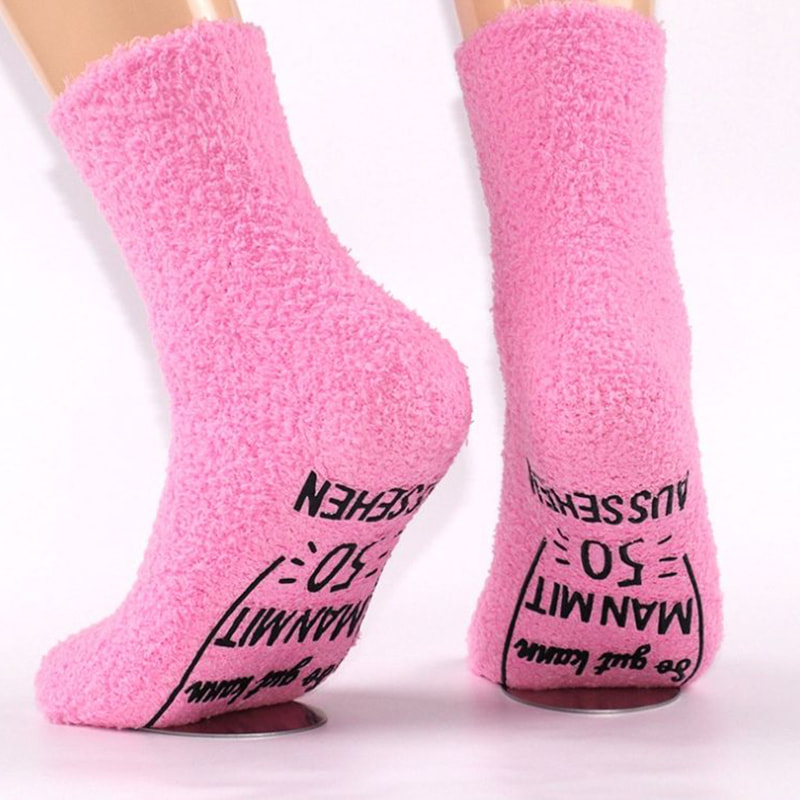
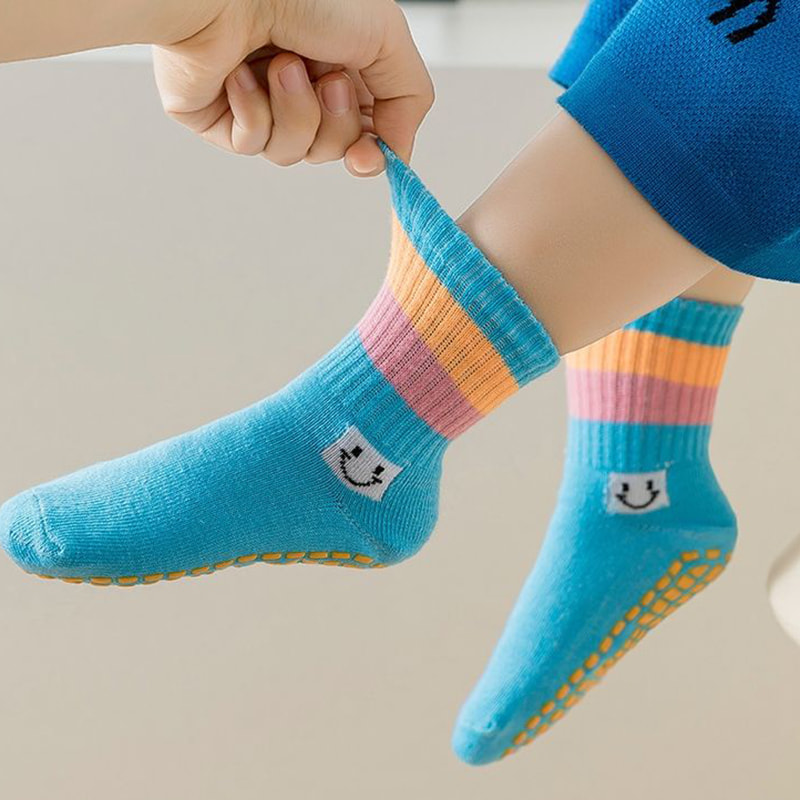
The ZJBL Women's Mid Tube Socks are produced with a quality cotton-blend tube construction, offering the mid-calf coverage, style versatility, and size flexibility that make this sock type a practical everyday choice for casual wear, athleisure styling, and light activity. Available in a range of colors and designs, they demonstrate exactly the styling advantage that mid tube socks hold over standard ankle or low-cut styles for women who want their socks to be seen.
The bottom line: choose Women's Mid Tube Socks when you want calf coverage, style visibility, and size flexibility. Choose a regular shaped sock when precision heel fit, anatomical cushioning, and high-performance athletic support are the priority. For most everyday wear and fashion-forward styling, the mid tube sock is the more versatile and visually interesting option.



 English
 中文简体
中文简体 Español