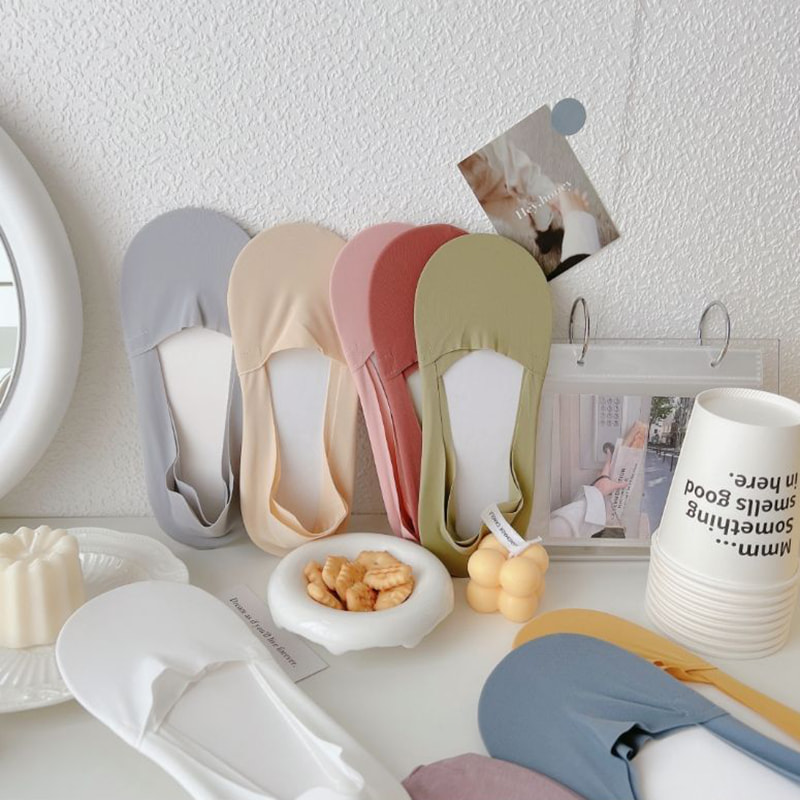
A ladies boat sock — also called a women's no-show sock, loafer liner, or footie — is a very low-cut sock designed to sit below the ankle and remain invisible when wearing low-cut shoes such as ballet flats, loafers, sneakers, slip-ons, and boat shoes. The defining characteristic is its shallow profile: the sock covers the sole, heel, and toe of the foot while the upper edge sits at or just below the shoe's topline, making it effectively hidden from view. This gives the appearance of wearing shoes without socks while still providing the comfort, hygiene, and blister-protection benefits of wearing one.
Ladies boat socks are one of the most widely purchased everyday hosiery items in women's fashion. They are typically made from lightweight, breathable materials such as pure cotton, cotton blends, bamboo fiber, or synthetic fibers like nylon and polyester, and almost always include a silicone or elastic heel grip to prevent the sock from slipping down inside the shoe during wear. Their combination of practicality, comfort, and near-invisibility has made them a staple in casual, professional, and activewear wardrobes alike.
The Origin of the Name: Why Are They Called "Boat Socks"?
The name "boat sock" comes from the shape of the sock itself rather than any nautical connection. When laid flat and viewed from above, the sock's outline — wide at the toe, narrow at the heel, with a shallow curved silhouette — resembles the hull of a boat. In different markets, the same product is known by different names:
- Boat sock / boat liner — common in the UK and European markets
- No-show sock — the most widely used term in North America
- Footie or foot liner — used interchangeably in many English-speaking markets
- Invisible sock — common in Asia and parts of Europe, reflecting the design goal
- Loafer liner or loafer sock — named after the shoe style it was originally designed to accompany
Regardless of the name used, the product is functionally identical: a minimal-coverage sock engineered to disappear inside a low-cut shoe while keeping the foot comfortable and the shoe interior hygienic.
Key Design Features That Define a Ladies Boat Sock
Not all low-cut socks are boat socks. Several specific design features distinguish a true boat sock from a standard ankle sock or trainer liner:
Ultra-Low Cut Profile
The defining feature of a boat sock is its cut height. The front of the sock (at the toe box area) typically sits only 1–3 cm above the sole, while the back (heel) section is cut even lower to stay hidden below the shoe collar. This requires a specific pattern construction — the front and back are cut at different heights to follow the natural topline of low-cut shoes. A poorly designed boat sock that is cut at a uniform low height will sit too high at the front and potentially show above the shoe vamp, defeating its purpose.
Silicone Heel Grip
The silicone heel grip is arguably the most functionally critical feature of a quality ladies boat sock. Without it, the sock's shallow profile means there is very little fabric anchoring it to the foot, and it will slide forward into the toe box within a few steps, bunching under the toes and creating significant discomfort. The silicone grip is typically a strip or patch of medical-grade silicone 2–4 cm wide applied to the inner surface of the heel section. It creates friction against the shoe's heel lining, holding the sock in place throughout the day. The quality and width of the silicone grip is one of the most important differentiators between premium and budget boat sock designs.
Reinforced Toe and Heel Zones
Because boat socks cover only the toe, sole, and heel — the areas of highest friction in any shoe — quality designs reinforce these zones with denser knit construction or a higher-durability yarn blend. The toe box and heel cup are typically knitted at a higher stitch density than the rest of the sock, extending wear life and preventing early hole formation at the most friction-prone points.
Cushioned Sole (in some designs)
Some ladies boat sock designs incorporate a cushioned sole section — a thicker terry or loop-knit structure on the underfoot surface — that provides additional padding and impact absorption. This is particularly relevant for athletic and walking applications where the sock sees extended use. Cushioned sole boat socks are typically slightly thicker overall, which makes them better suited to shoes with more interior volume.
Flat Toe Seam or Seamless Toe
The toe seam of a boat sock sits directly under the toes inside a closed shoe, making it a key comfort factor. Traditionally knit socks have a visible toe seam that some wearers find irritating against the skin. Premium boat socks use either a flat-linked toe seam (thin and smooth, lying flat against the foot) or a fully seamless toe construction knitted in the round to eliminate the seam entirely. Seamless toe construction adds manufacturing cost but significantly improves all-day wearing comfort, particularly in tight-fitting shoes.
Materials Used in Ladies Boat Socks: What Each Fabric Delivers
The fabric composition of a ladies boat sock fundamentally determines its breathability, moisture management, durability, and feel against the skin. The main materials used — alone or in blends — each offer distinct performance characteristics:
Common Materials Used in Ladies Boat Socks and Their Performance Characteristics
| Material |
Breathability |
Moisture Management |
Softness |
Durability |
Best For |
| Pure Cotton |
Excellent |
Good (absorbs well, slow to dry) |
Very Good |
Moderate |
Everyday casual wear, sensitive skin |
| Cotton-Nylon Blend |
Very Good |
Good |
Very Good |
High |
General purpose; most popular blend |
| Cotton-Polyester Blend |
Good |
Good |
Good |
High |
Value-price everyday socks |
| Bamboo Fiber |
Excellent |
Excellent (wicks and dries fast) |
Exceptional |
Moderate |
Sensitive skin; hot weather; odor control |
| Nylon / Polyamide |
Moderate |
Moderate |
Good |
Very High |
Sheer / dress styles; high-wear reinforcement |
| Merino Wool Blend |
Excellent |
Excellent (temperature regulating) |
Very Good |
Moderate |
Year-round comfort; odor resistant |
| Spandex / Elastane (added) |
Good |
Moderate |
Good |
Good |
Adds stretch and shape retention to any blend |
The most common composition for everyday ladies boat socks is a cotton-nylon blend with a small percentage of spandex (elastane) — typically 70–80% cotton, 15–20% nylon, and 3–5% spandex. This combination delivers the softness and breathability of cotton, the durability and shape retention of nylon, and the stretch and fit of spandex, making it suitable for the widest range of uses and shoe styles.
Styles and Variations: The Range of Ladies Boat Socks Available
The category of ladies boat socks has expanded significantly beyond the basic plain cotton design. Today's market offers a wide range of style variations to match different occasions, shoe types, and aesthetic preferences:
Basic No-Show / Invisible Liner
The standard boat sock design: minimal coverage, plain knit construction in neutral tones (white, black, nude, gray). These are the most widely purchased style, suited to everyday use with trainers, loafers, and casual flats. They come in multi-pack formats (typically 3, 5, or 7 pairs per pack) designed for regular rotation and frequent washing.
Sheer / Lace-Trim Boat Sock
Sheer boat socks use very fine nylon or nylon-cotton constructions that are nearly transparent. Some designs incorporate a decorative lace or scalloped trim around the edge — the only visible part of the sock when worn — which adds a feminine aesthetic detail to shoes worn without full socks. These are popular with ballet flats, loafers, and point-toe flats in professional and smart-casual settings.
Cushioned Athletic / Sport Boat Sock
Designed for use with athletic footwear including running shoes, cross-trainers, and gym shoes. These feature a thicker cushioned sole (terry or loop pile construction), moisture-wicking synthetic or bamboo fibers, and often a more substantial silicone heel grip to withstand the movement forces of exercise. The thicker sole construction adds 2–4 mm of additional cushioning compared to standard boat socks, which is meaningful during extended walking or exercise sessions.
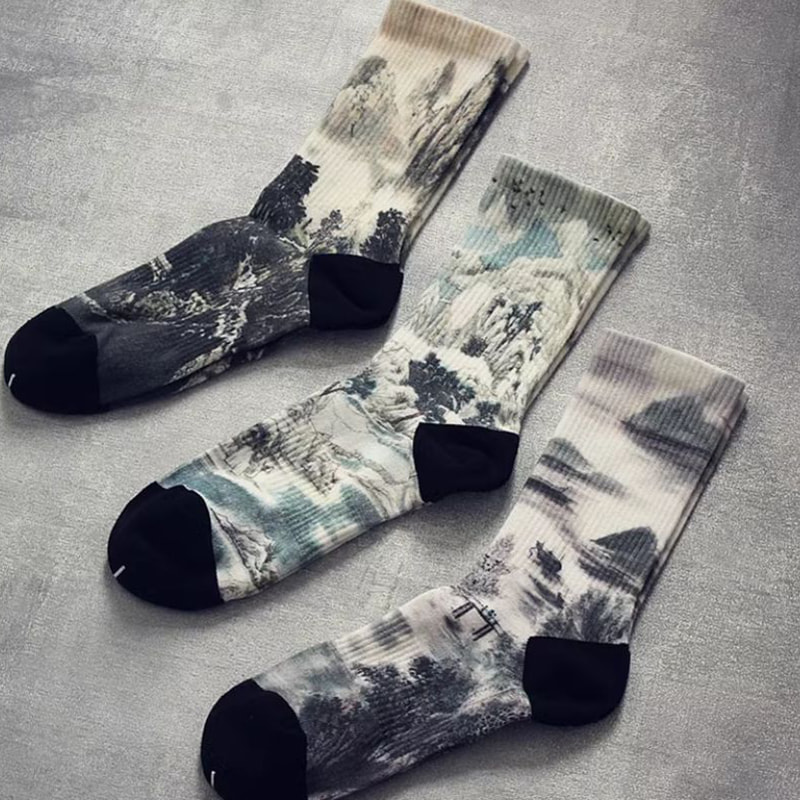
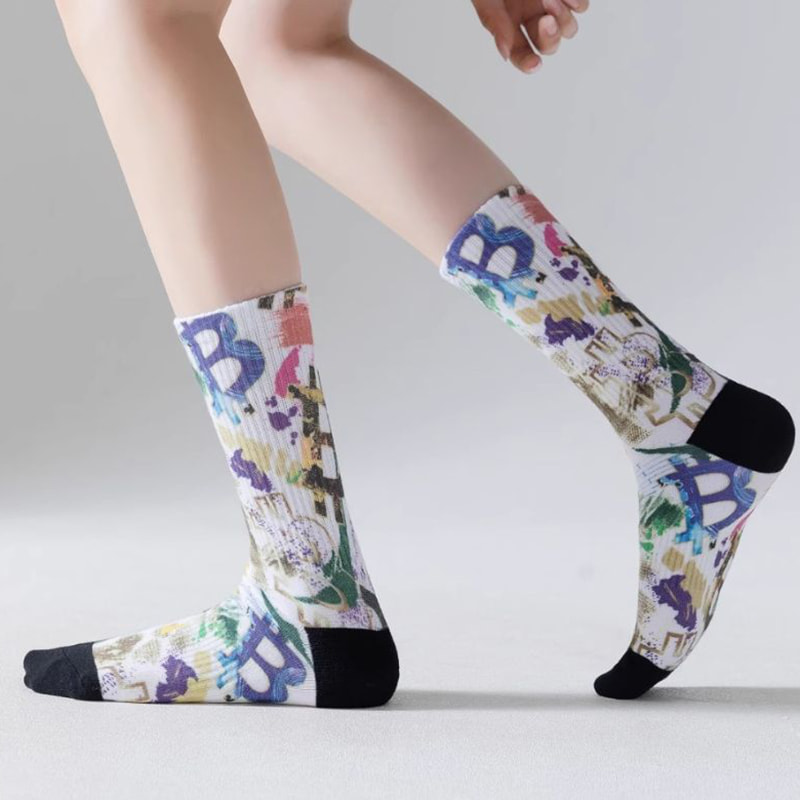
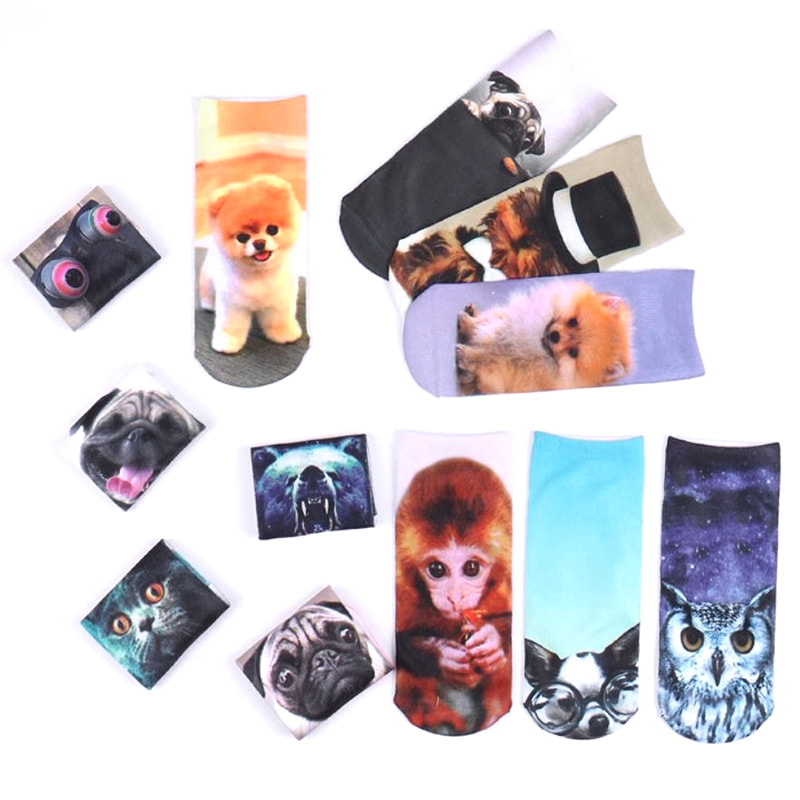
Printed and Patterned Boat Sock
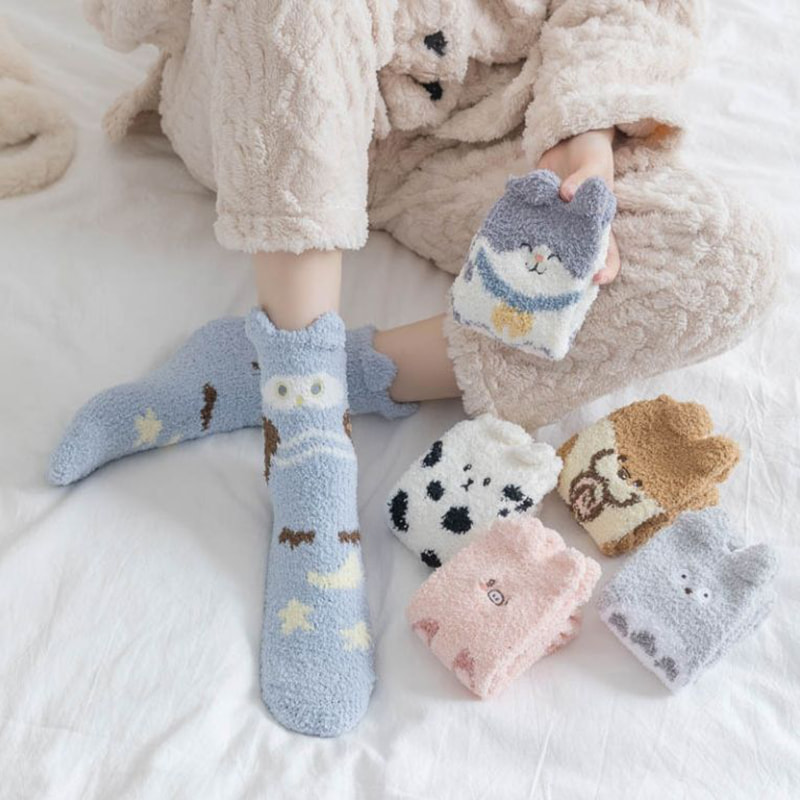
A growing trend in fashion hosiery involves boat socks with decorative patterns, prints, or embroidered details on the top of the foot — the only portion visible above low-cut shoes in some styling combinations. Floral prints, geometric patterns, fruit motifs, and seasonal designs allow boat socks to function as a subtle fashion accessory. These designs are produced using jacquard knitting techniques or digital sublimation printing on the upper surface.
Non-Slip / Grip Sole Boat Sock (for indoor use)
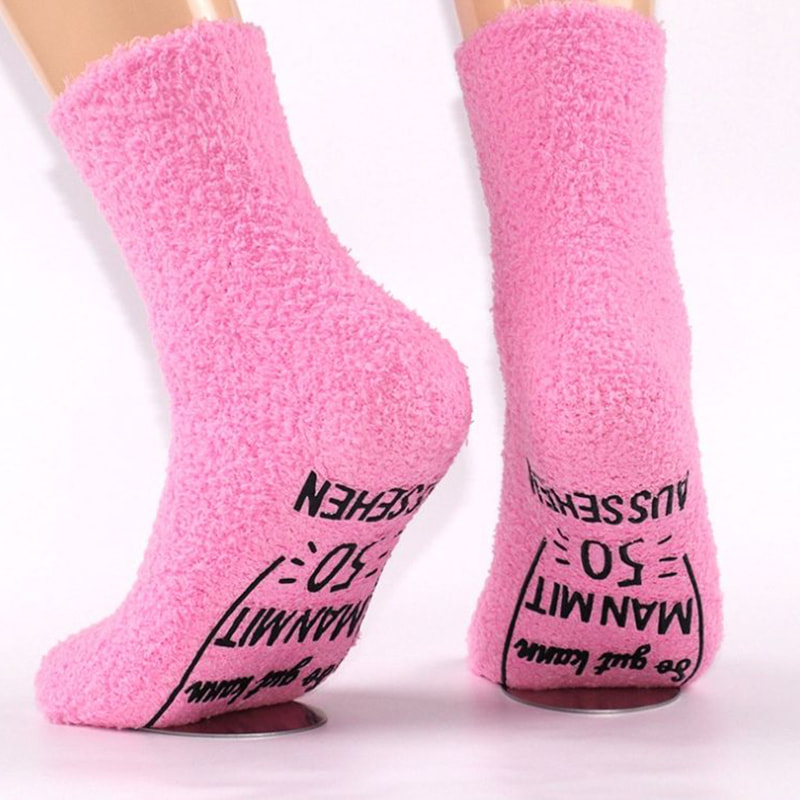
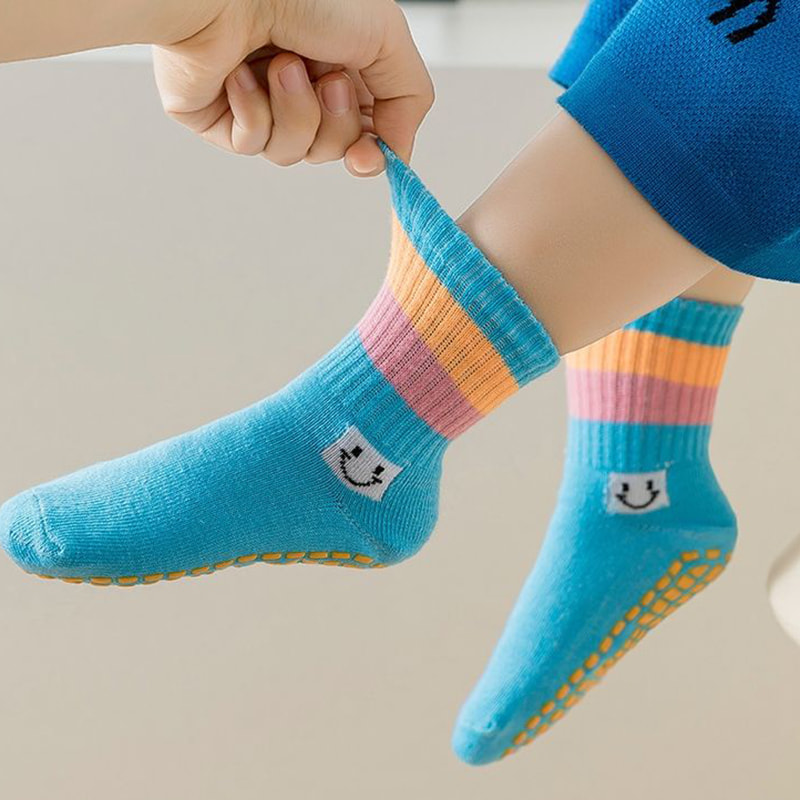
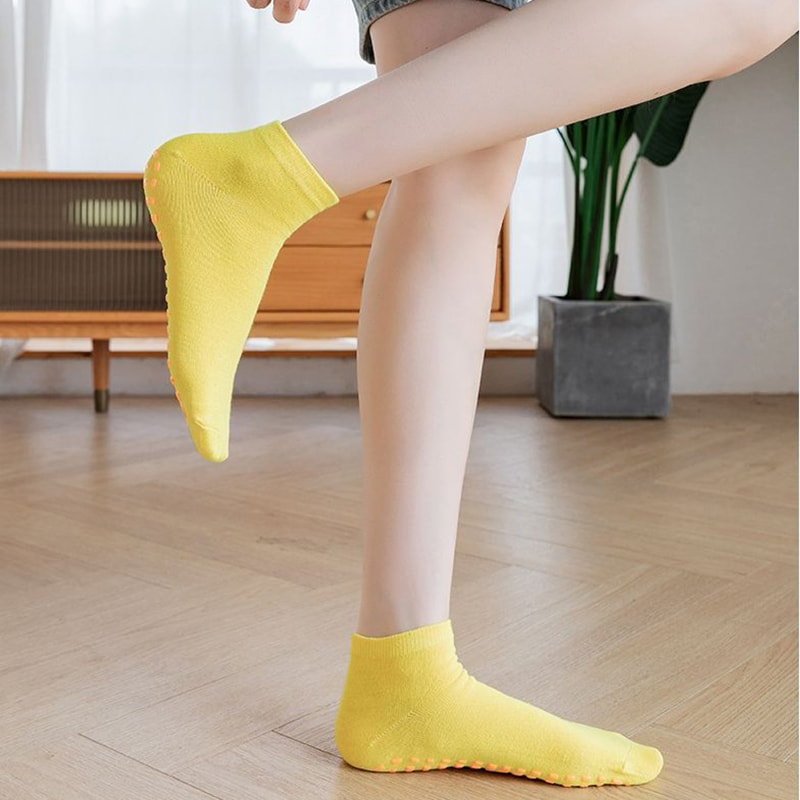
A variation designed for use without shoes — in yoga studios, dance classes, pilates, or at home on slippery surfaces. These feature silicone grip dots or patterns on the sole for traction, and are made from softer, stretchier materials. While technically serving a different use case than shoe-worn boat socks, they share the same overall shape and are marketed within the same product category.
Heel-Tab / Tab-Back Trainer Liner
Some boat sock designs include a small fabric tab at the back of the heel that extends slightly above the shoe collar. Originally designed to prevent blisters from the stiff heel counter of athletic shoes (particularly during the break-in period), these tab-back designs are a hybrid between a true no-show sock and a standard trainer sock. They offer more heel protection while remaining low-profile.
Which Shoes Work Best with Ladies Boat Socks?
Ladies boat socks are specifically designed for low-cut shoe styles. Matching the sock to the shoe type improves both the invisible appearance and functional performance:
Shoe Styles and Recommended Boat Sock Types for Ladies
| Shoe Style |
Recommended Boat Sock Type |
Key Consideration |
| Ballet Flats |
Ultra-thin invisible liner or sheer with lace trim |
Very low front cut needed; nude or skin-tone color preferred |
| Loafers |
Standard cotton or bamboo invisible boat sock |
Strong heel grip essential; white or neutral tones most versatile |
| Low-Cut Trainers / Sneakers |
Cushioned athletic no-show sock |
Cushioning and moisture-wicking important; slightly higher cut acceptable |
| Boat Shoes / Deck Shoes |
Standard or cushioned cotton blend boat sock |
Strong grip needed; natural material preferred for breathability inside leather |
| Low-Heeled Pumps / Court Shoes |
Sheer nylon or ultra-thin cotton liner |
Skin-tone color essential; non-slip heel critical in smooth leather lining |
| Espadrilles / Canvas Slip-ons |
Breathable bamboo or cotton no-show sock |
Breathability priority; canvas footbed absorbs sweat without sock protection |
| Mules (backless shoes) |
Half-sock / toe sock / toe liner |
Standard boat socks will slide off; a toe-cover half sock is needed instead |
One important note: standard boat socks are not suitable for backless shoes, mules, or sandals — there is no heel counter to hold the sock in place. For these styles, a toe-cover sock (covering only the forefoot) or a half-sock design is the appropriate solution. Attempting to use a standard boat sock in a backless shoe will result in the sock slipping off immediately.
Why Ladies Wear Boat Socks: Practical Benefits Explained
The popularity of ladies boat socks is driven by a combination of practical and aesthetic reasons. Understanding each benefit helps explain why this seemingly simple product commands such strong and consistent consumer demand:
Blister Prevention
Blisters form when repeated friction causes the outer layers of skin to separate and fill with fluid. Wearing a sock — even a very thin one — creates a soft barrier layer between the skin and the shoe interior, dramatically reducing the friction that causes blisters. New or stiff shoes, shoes worn for extended periods, and shoes with seams at friction-prone points all create blister risk that a boat sock mitigates. Studies of foot pain in women consistently identify blisters from fashionable footwear as one of the most common complaints, and a boat sock is the simplest effective intervention.
Hygiene and Odor Control
The human foot contains approximately 250,000 sweat glands and can produce up to half a pint (around 250 mL) of sweat per day in warm conditions. When shoes are worn without socks, this sweat is absorbed directly into the shoe's insole and lining. Bacteria that thrive in warm, moist environments break down sweat compounds to produce the odor compounds associated with foot odor. A boat sock absorbs sweat from the foot before it reaches the shoe, can be washed after every wear, and significantly extends the freshness and usable lifespan of the shoe. This is particularly important for leather-lined shoes and suede interiors that cannot be easily cleaned.
Comfort and Cushioning
Even a thin boat sock provides measurable comfort improvement over bare skin inside a shoe. The fabric layer softens the feel of seams, stitch patterns on the insole, and the transition between different materials inside the shoe. Cushioned sole designs provide meaningful impact absorption during walking, which becomes significant over distances of several kilometers. The short, non-restrictive tube design of boat socks is specifically valued by women who dislike the feeling of elastic cutting into the calf or ankle that comes with taller sock styles — the boat sock sits below all constriction points.
Aesthetic Versatility
The ability to wear a wide range of casual and smart shoes without visible socks creates styling flexibility that full-length or ankle socks cannot provide. With a boat sock, shoes can be worn with cropped trousers, dresses, shorts, and skirts with the clean look of bare-foot footwear while retaining all the functional benefits of a sock. This versatility across casual wear, smart-casual, and even semi-formal looks is a key reason boat socks have maintained consistent popularity across decades of changing fashion trends.
Shoe Preservation
Wearing a boat sock protects the interior of a shoe from sweat, skin oils, and friction wear over time. Shoes worn regularly without any sock deteriorate on the interior lining significantly faster — the insole delaminates, the heel lining wears through, and odor becomes embedded in materials that cannot be washed. A boat sock, costing very little per wear, effectively extends the functional life of quality footwear that may represent a significant investment.
Sizing and Fit: How Ladies Boat Socks Are Sized
Unlike full-length socks where calf or leg circumference is a significant sizing factor, ladies boat sock sizing is primarily determined by foot length. Most manufacturers offer two to three size ranges that cover the full range of women's foot sizes:
Standard Ladies Boat Sock Size Ranges by Regional Shoe Size System
| Sock Size Label |
UK Women's Shoe Size |
EU Shoe Size |
US Women's Shoe Size |
Approximate Foot Length |
| Small (S) |
2–4 |
35–37 |
4–6 |
21–23 cm |
| Medium (M) |
4–7 |
37–40 |
6–9 |
23–25 cm (most common) |
| Large (L) |
7–10 |
40–43 |
9–12 |
25–27 cm |
The spandex/elastane content of the sock fabric (typically 3–8%) allows a single size to stretch and fit comfortably across a 2–3 shoe size range, which is why many manufacturers offer only two sizes (S/M and M/L) for women's boat socks. Selecting the correct size is important: a sock that is too large will have excess fabric that bunches, while a sock that is too small will be pulled too tight against the foot, potentially reducing heel grip effectiveness and causing the heel to slip.
Colors and Patterns: Matching Boat Socks to Outfits and Shoes
While the primary purpose of a boat sock is to be invisible, color selection still matters for the small portion of sock that may occasionally be visible at the shoe opening, and for ensuring the sock does not show through sheer or mesh shoe fabrics. The main color categories and when to use them:
- White: The traditional choice for casual white trainers and canvas sneakers. White socks inside white shoes maintain a clean visual consistency. Not recommended for dark shoes, as white fabric may be slightly visible at the shoe opening.
- Black: Essential for dark shoes, as black fabric disappears inside black, navy, or dark-colored footwear. Also useful for shoes with darker linings where a white sock would create a visible contrast.
- Nude / Skin-tone: The most universally invisible option across shoe colors. Nude-tone boat socks are the best choice for beige, tan, camel, and natural leather shoes, and work well inside any shoe where the sock must not be detectable. Several nude shades are typically available to match different skin tones.
- Gray: A versatile neutral that works inside gray, dark, and most casual shoes. Gray is also commonly used in athletic boat socks where performance rather than invisibility is the priority.
- Printed and fashion colors: For wearers who want to add a subtle visual element or who simply prefer variety, printed and colored boat socks — from pastel solids to floral patterns to novelty prints — are widely available. These are particularly popular in spring and summer casual styling where a hint of pattern at the shoe opening adds a deliberate style detail.
A practical wardrobe approach is to maintain a supply of three core colors — white, black, and nude — which between them cover the vast majority of shoe colors and outfit combinations without any visible sock showing.
Care and Washing: How to Make Ladies Boat Socks Last Longer
Boat socks are typically inexpensive, but with proper care they can be worn significantly more times before showing wear, and the silicone heel grip retains its effectiveness for longer. Key care practices include:
- Wash after every wear. Boat socks absorb sweat and skin cells with every use. Washing after each wear prevents odor from becoming embedded in the fabric and removes the bacteria that cause fabric degradation over time.
- Use a mesh laundry bag. Small socks are easily lost in washing machine drums or wrapped around larger garments. A mesh laundry bag keeps pairs together and prevents the silicone heel grip from picking up lint from other items.
- Wash at 30–40°C (86–104°F). Higher temperatures can damage the silicone heel grip and cause elastic fibers to degrade more rapidly. Cotton-dominant blends wash well at 40°C; delicate sheer nylon designs should be washed at 30°C or on a delicate cycle.
- Avoid tumble drying at high heat. High-heat tumble drying accelerates elastic fiber degradation and can cause the silicone grip to lose adhesion. Air drying or low-heat tumble drying significantly extends sock life.
- Turn socks inside out for washing. The inner surface (which contacts skin) accumulates the most sweat and bacteria. Washing inside-out ensures the most thorough cleaning of this surface.
- Replace when the heel grip fails. Once the silicone heel grip loses its tackiness — typically after 30–60 washes for budget designs and 80–150 washes for premium silicone grips — the sock will slip, and no amount of washing or care will restore grip performance. This is the most reliable indicator that the sock has reached end of life.
How to Stop Boat Socks from Slipping: Practical Solutions
Slipping is the most common complaint about ladies boat socks, and it has specific causes and solutions:
- Choose the correct size. An oversized sock has excess fabric at the heel that folds and allows the sock to move. Ensure the sock fits snugly with no loose fabric at the heel cup.
- Select a sock with a wide silicone grip. Budget socks often use a narrow strip of silicone that covers only 1–2 cm of the heel surface. Premium designs use a wider patch covering 3–5 cm that distributes grip across a larger contact area, dramatically reducing slippage.
- Match the sock to the shoe's interior surface. Very smooth, slippery shoe linings (satin, polished synthetic) create less friction even with a silicone grip. Textured insoles or leather linings work better with standard grips. For very smooth linings, choose socks with full-coverage silicone heel patches rather than strip designs.
- Avoid fabric softener when washing. Fabric softener coats textile and silicone surfaces with a lubricating film that reduces the grip coefficient of the silicone heel patch. Washing without fabric softener maintains grip performance significantly longer.
- Use heel liner insoles in extremely slippery shoes. For shoes with particularly challenging linings, a thin self-adhesive heel liner added to the shoe interior supplements the sock's grip and provides a textured surface for better sock retention.
- Replace socks whose grip has worn out. The silicone grip degrades with washing and wear. Once the grip surface becomes smooth rather than tacky to the touch, no adjustment in shoe or size will prevent slipping — replacement is the only solution.
Ladies Boat Socks vs. Other Low-Cut Sock Styles: Understanding the Differences
The low-cut sock market includes several overlapping styles that are often confused. Understanding how they differ helps consumers select the right product for each need:
Comparison of Low-Cut Sock Styles for Women
| Style |
Cut Height |
Visible When Worn? |
Best Shoe Match |
Key Feature |
| Boat Sock (No-Show) |
Below shoe topline |
No |
Ballet flats, loafers, low sneakers |
Silicone heel grip; invisible design |
| Trainer / Ankle Sock |
At or just above ankle bone |
Yes (small amount) |
Trainers, casual shoes |
More coverage; more stable fit |
| Quarter Sock |
Just above the ankle |
Yes (above shoe collar) |
Hiking shoes, high-sided trainers |
Ankle protection; no-show not a goal |
| Toe Cover / Half Sock |
Covers toes and ball only |
No |
Open-back shoes, mules, slingbacks |
For backless shoes where boat socks won't stay |
| Foot Liner / Sole Pad |
Sole only (no upper fabric) |
No |
Open sandals, strappy heels |
Cushioning only; no sweat absorption from upper foot |



 English
 中文简体
中文简体 Español