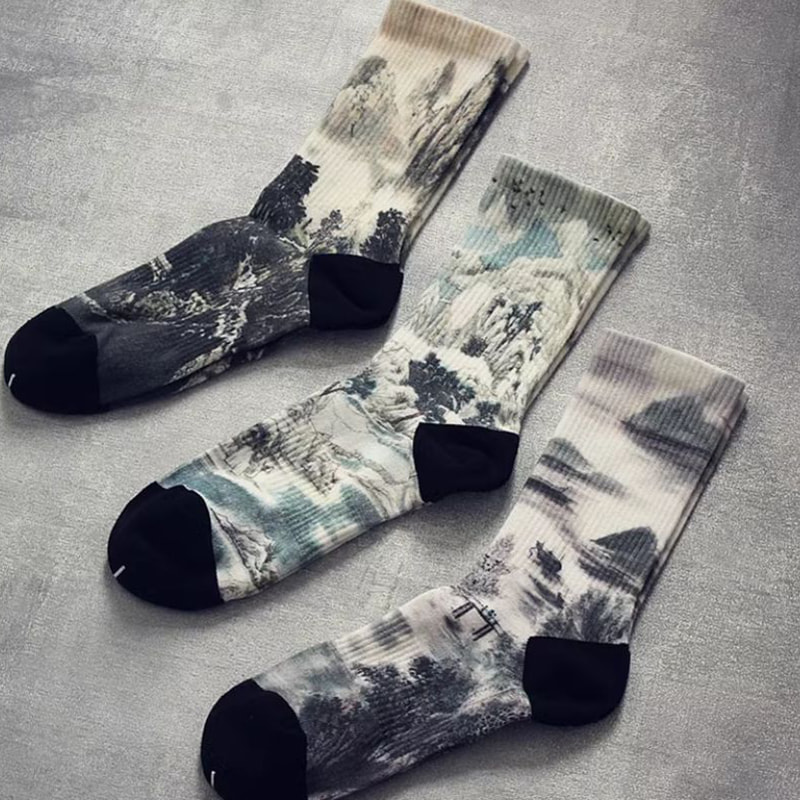
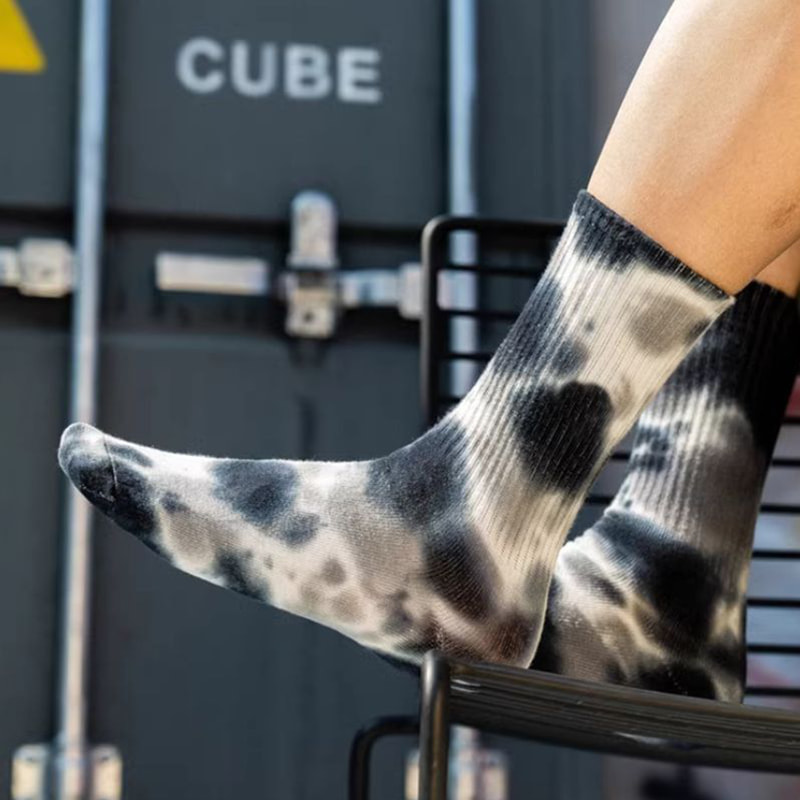
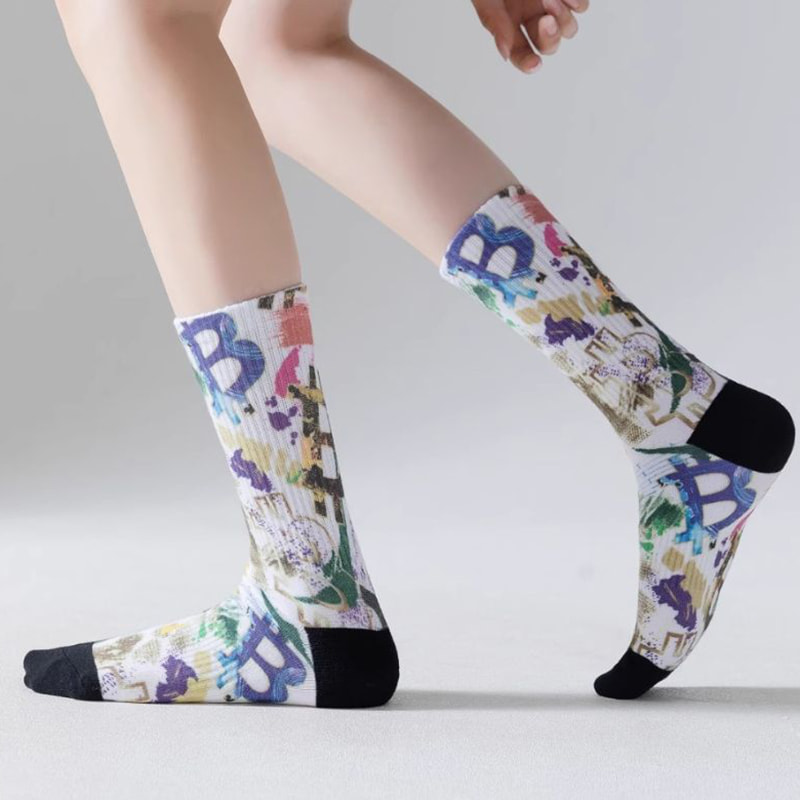
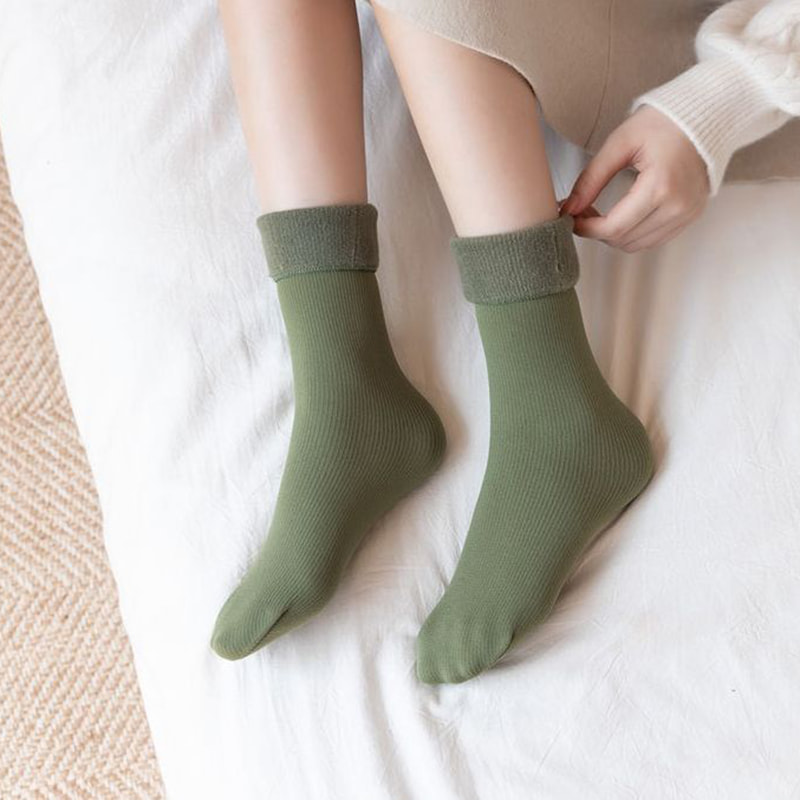
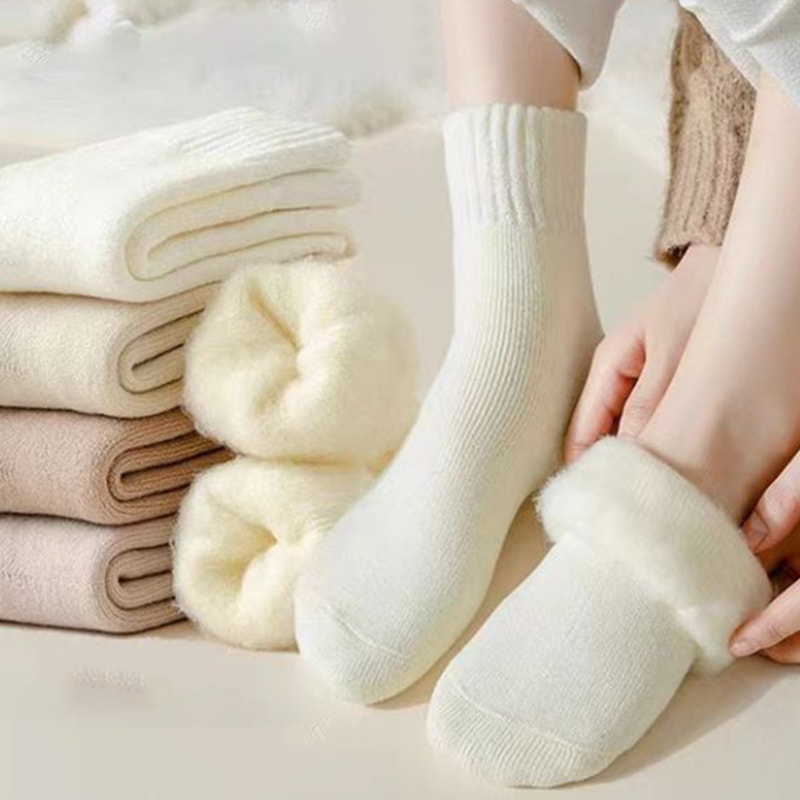
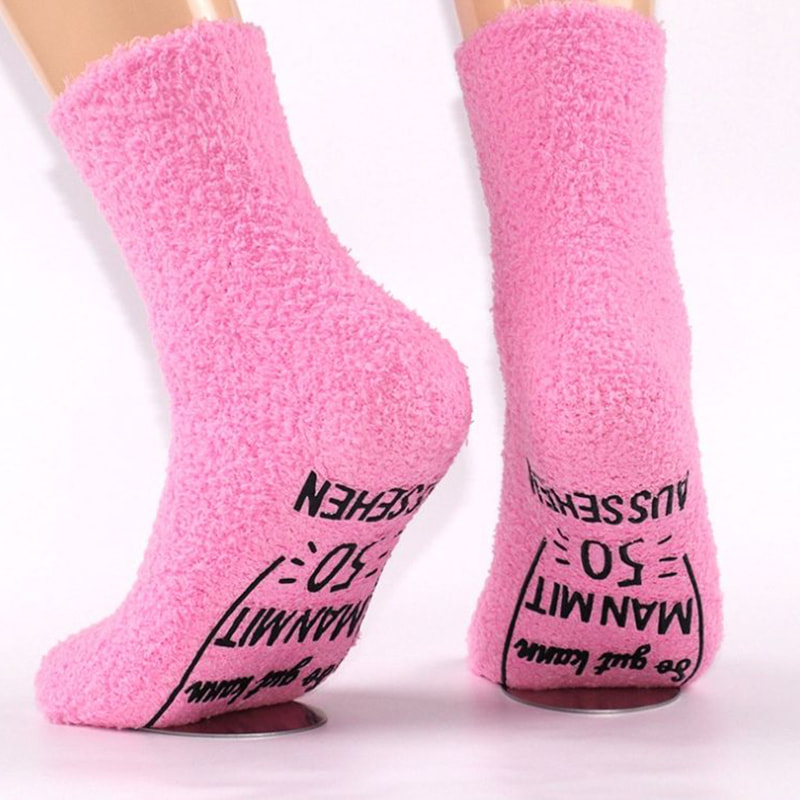
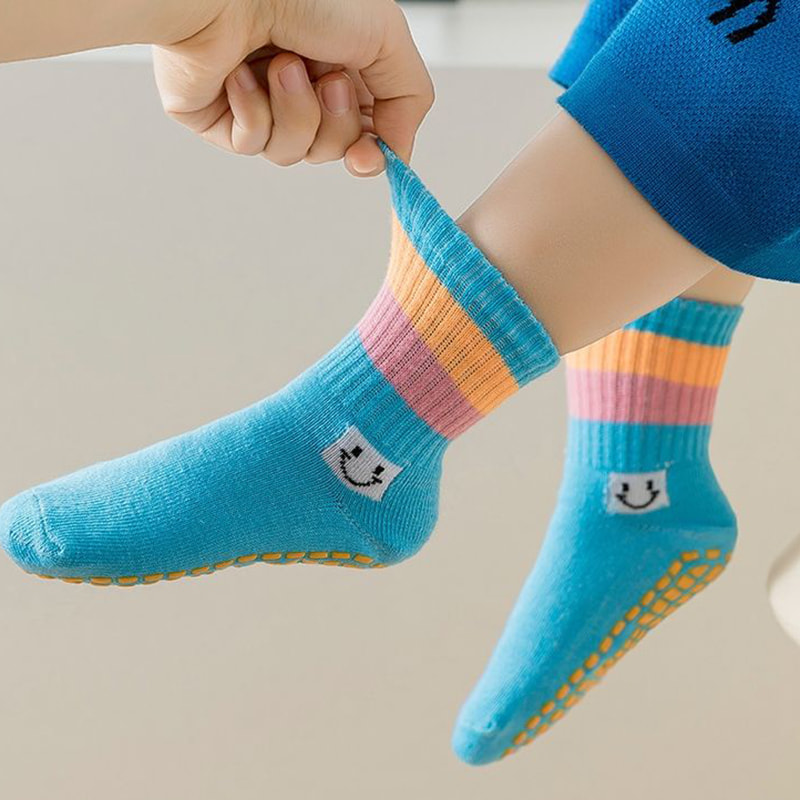
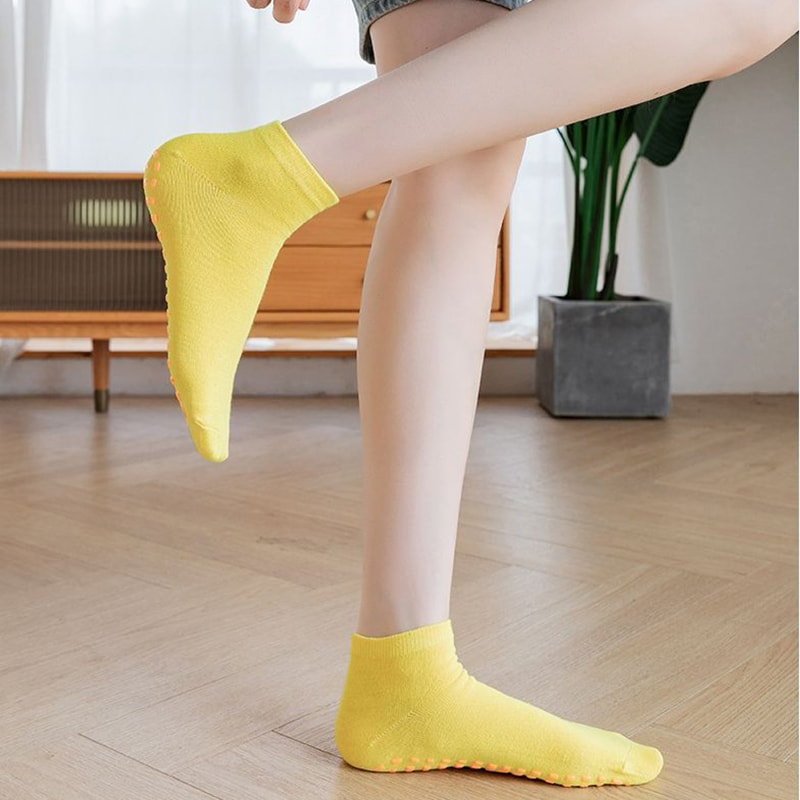
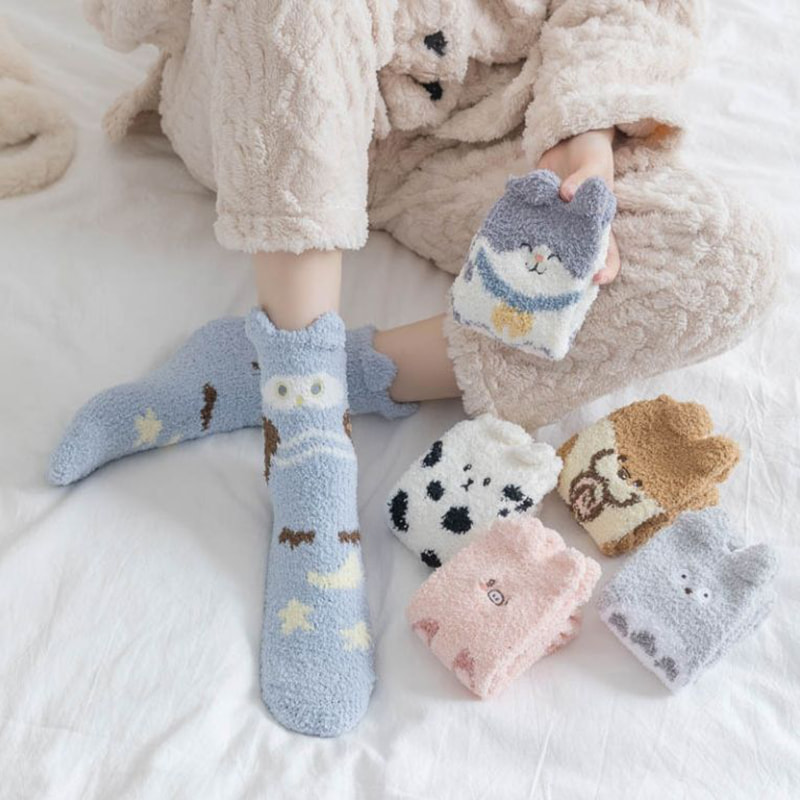
Choosing the right Socks is no small matter. In fact, the wrong socks can lead to blisters, foot fatigue, and even sports injuries.
Direct Conclusion: How to Choose Quickly?
For different activities, here are the best sock options:
Daily Commuting: Mid-calf (Crew), lightweight or ultralight, focusing on breathability.
Long-Distance Hiking/Mountaineering: Mid-calf or Boot, medium weight or heavyweight, focusing on cushioning and warmth.
Running/Gym: No-show or Tab/Ankle socks, lightweight, focusing on sweat-wicking and fit.
Winter Sports (Skiing): Over-the-Calf socks, medium weight, focusing on calf protection and temperature control.
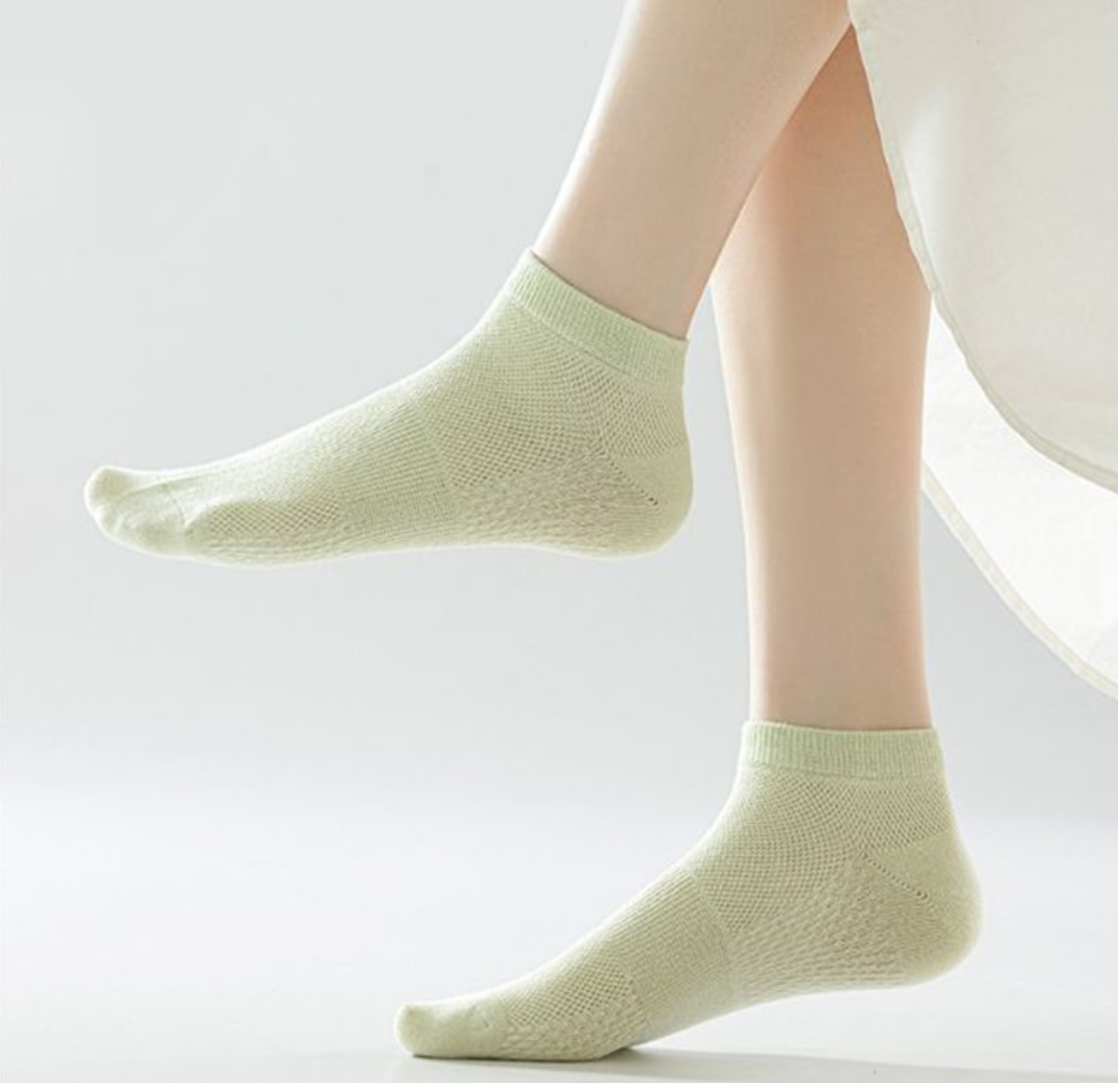
Sock Height: More Than Just Aesthetics
Sock height directly affects the range of protection and compatibility with footwear.
No-Show Socks
Suitable for low-top canvas shoes or professional running shoes. They visually "disappear," making them perfect for summer.
Ankle Socks
The heel level reaches just above the ankle bone. Ideal for gym workouts and road running, preventing the shoe collar from rubbing against the heel.
Crew Socks
The classic height, typically about 15-20 cm below the mid-calf. Standard for hiking boots, effectively isolating the boot edge from contact with the skin.
Over-the-Calf Socks
Designed for skiing or compression needs. They prevent cold air from entering and provide full cushioning protection when wearing high-top ski boots.
Sock Weight: The Balance Between Cushioning and Breathability
Here, "weight" usually refers to the thickness of the sock fabric and the distribution of cushioning.
| Weight Category |
Recommended Use |
Key Features |
| Ultra-light |
Indoor training, speed running |
Extremely thin, like a second layer of skin, offering the highest sweat-wicking efficiency. |
| Light |
Daily walking, light hiking |
Light cushioning in high-friction areas such as the sole, balancing comfort and breathability. |
| Midweight |
Load-bearing hiking, winter jogging |
Overall thicker construction with noticeable shock absorption, effectively reducing impact. |
| Heavy |
High-altitude mountaineering, extreme cold conditions |
Thick and highly insulating, usually containing a high proportion of merino wool. |
Depth Recommendations for Specific Activities
To keep your feet in optimal condition, we need to refine our sock selection based on the intensity and environment of the activity.
1. Hiking and Mountaineering: Seeking "Medium-Weight" Protection
If you plan to hike over 10 kilometers, mid-calf socks with merino wool are recommended. This material has natural antibacterial and odor-resistant properties. Data shows that a medium-thickness cushioning layer can reduce plantar pressure by about 20%, effectively preventing plantar fasciitis after long hikes.
2. Running and High-Intensity Training: Sweat-wicking is Key
When running, your feet sweat significantly. Avoid pure cotton socks, as cotton fibers absorb up to 20 times their own weight in water and are extremely difficult to dry. Opt for lightweight socks made of polyester or a blend of nylon and spandex to ensure dry feet and reduce the risk of blisters from damp friction.
3. Cold Season Sports: Combining Height and Material
In environments below 0°C, height is not just about style, but also about warmth. High socks cover the calf muscles, keeping them warm and preventing cramps.
Important Details When Choosing Socks
Besides height and weight, high-quality Socks typically have the following features:
Arch Support: Reinforced design at the arch provides a snug fit and prevents the sock from slipping inside the shoe.
Seamless Toe: Eliminates seams at the toe area, preventing friction and discomfort during prolonged exercise.
Targeted Cushioning: Thicker only at the heel and forefoot, while remaining ultra-thin and breathable at the instep, maximizing performance.
Choosing the right Socks is a small detail that makes a big difference in comfort, performance, and long-term foot health.



 English
 中文简体
中文简体 Español