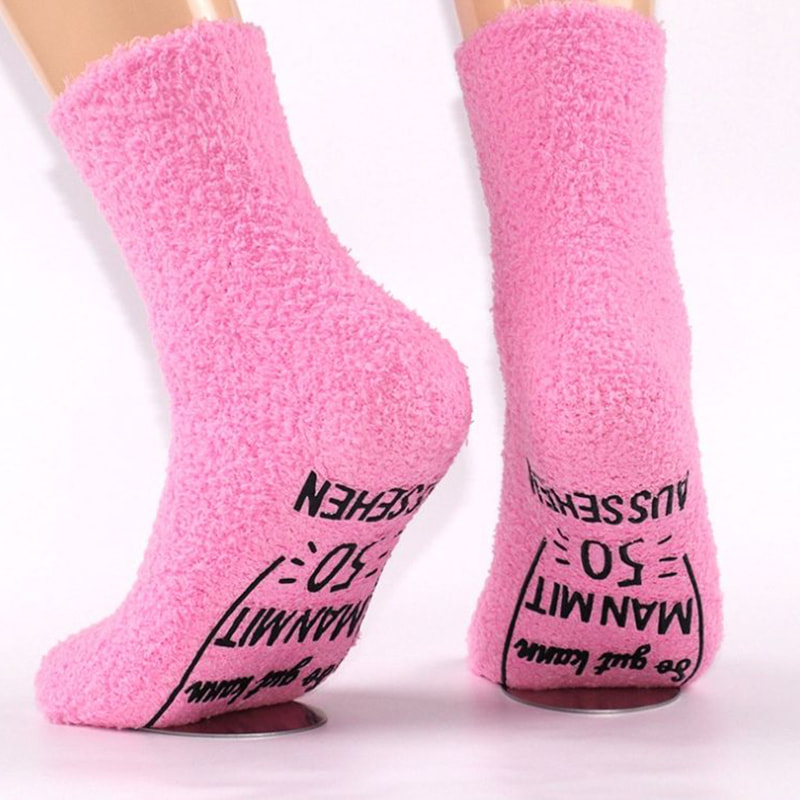
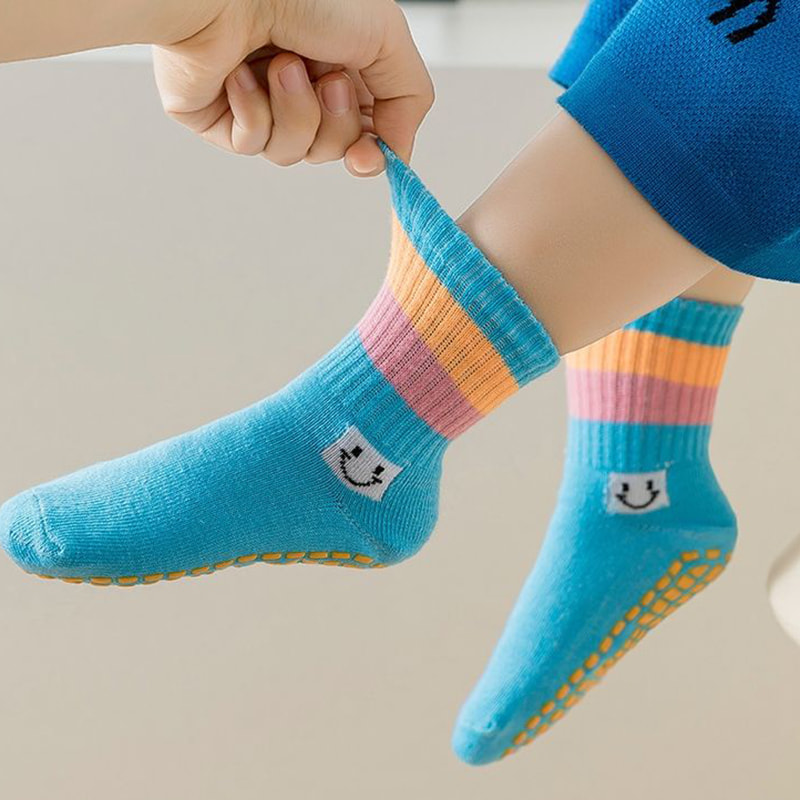
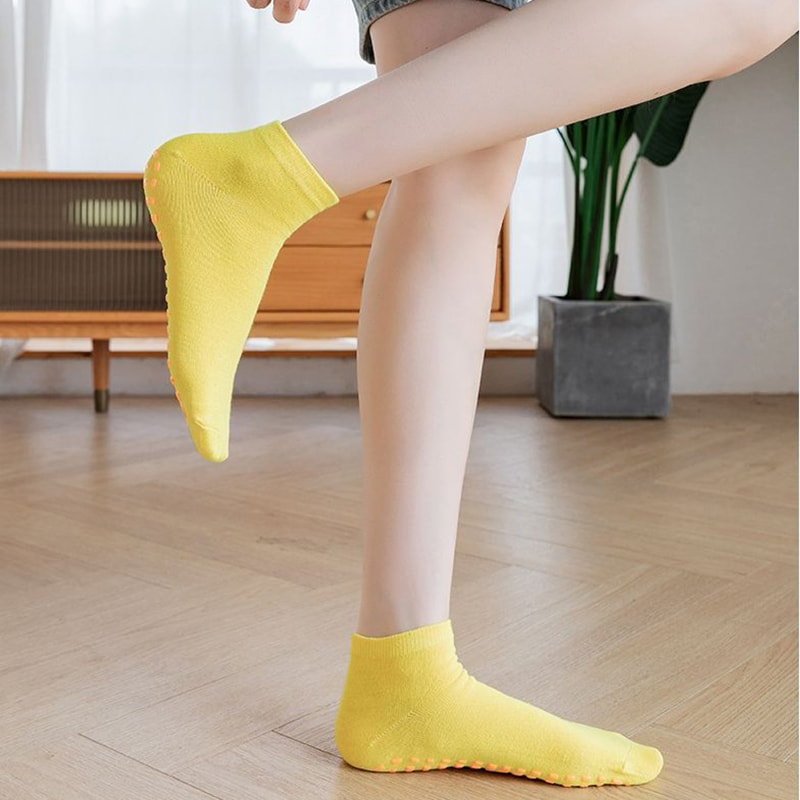
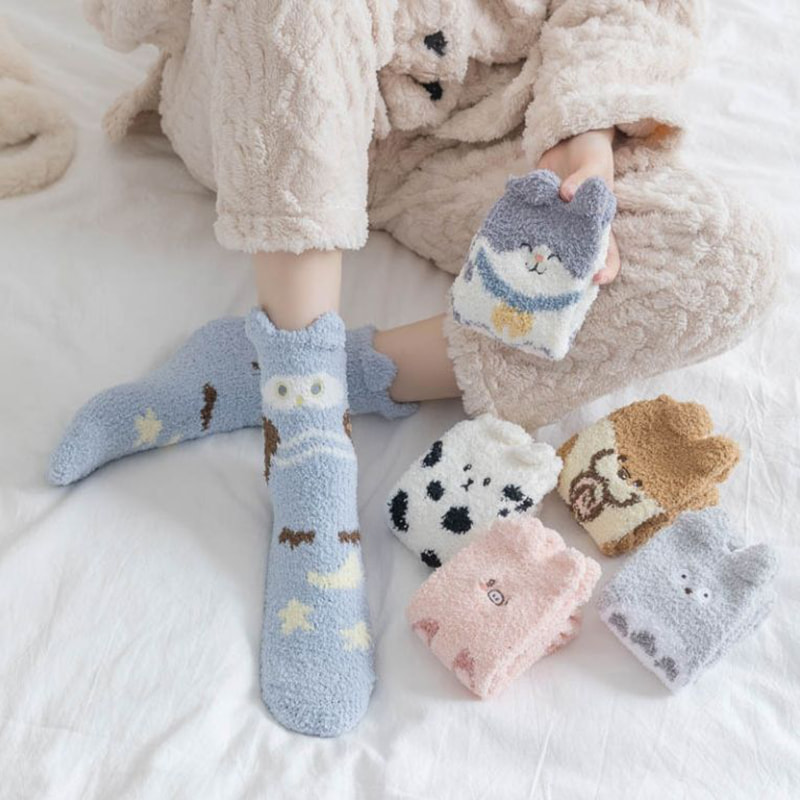
When selecting the right footwear accessories, the "length" or "height" of a sock refers to how far up the leg the fabric extends from the heel. Women's socks are categorized into several distinct lengths designed for specific functions, ranging from invisible liners (no-show) that sit below the ankle bone to thigh-high socks that reach the upper leg. Choosing the correct length is essential for both aesthetic harmony and functional comfort, such as preventing blisters during exercise or providing warmth in cold climates.
The primary lengths available in the market today include No-Show, Liner, Quarter, Crew, Mid-Calf, Knee-High, and Over-the-Knee. Each serves a unique purpose based on the type of shoe worn—be it a low-cut loafer, an athletic trainer, or a tall winter boot.
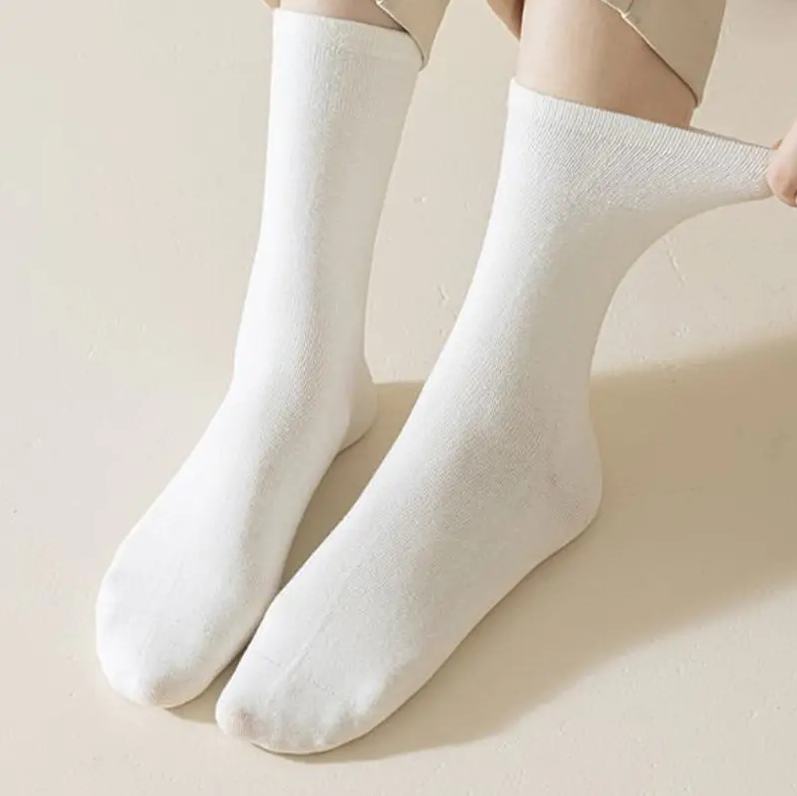
The Ultimate Comparison of Women's Sock Lengths
To help you navigate the various options, the following table breaks down the standard measurements and typical use cases for each major category of women's socks.
Table 1: Standard Women's Sock Lengths and Applications
| Sock Length |
Approx. Height from Heel |
Best Used With |
| No-Show / Liner |
0 - 2 inches |
Loafers, Flats, Low-top Sneakers |
| Ankle |
3 - 4 inches |
Running shoes, Tennis shoes |
| Quarter |
5 - 6 inches |
Mid-cut sneakers, Chukkas |
| Crew |
6 - 8 inches |
Hiking boots, Casual fashion |
| Mid-Calf / Trouser |
9 - 11 inches |
Formal wear, Dress boots |
| Knee-High |
12 - 15 inches |
Tall boots, Skirts, Uniforms |
Low-Profile Options: No-Show and Liner Socks
Low-profile socks are designed for the "invisible" look. These are critical for women who want the comfort of a moisture-wicking barrier without the visual distraction of a sock line. Because these styles sit low on the foot, they often feature silicone heel grips to prevent slipping.
Invisible Liners
Liners are the lowest cut possible. They barely cover the toes and the heel, leaving the entire bridge of the foot exposed. They are specifically engineered for ballet flats or high-heeled pumps where the shoe's "vamp" (the opening) is very low.
Standard No-Show Socks
Unlike liners, no-show socks cover more of the foot but remain hidden beneath the collar of a standard sneaker. They are a staple for summer fashion, pairing perfectly with denim shorts or casual dresses. Statistics in footwear retail suggest that no-show socks account for nearly 30% of women's casual sock sales during spring and summer months.
Athletic and Casual Heights: Ankle and Quarter Socks
Moving slightly up the leg, we find the ankle and quarter lengths. These are the workhorses of the athletic world, providing a balance between breathability and protection against friction.
Ankle Socks
Ankle socks typically end right at or just below the ankle bone (the lateral malleolus). They are the preferred choice for runners and gym-goers. For women participating in high-impact sports, ankle socks often include a "tab" feature—a small extra piece of fabric at the back that prevents the shoe from rubbing against the Achilles tendon.
Quarter Socks
The quarter sock rises about 1 to 2 inches above the ankle. This height is particularly useful for protecting the ankles from dust and debris when hiking or cycling. In casual settings, they are often used to bridge the gap between cropped pants and low-top shoes.
The Versatile Standard: Crew and Mid-Calf Socks
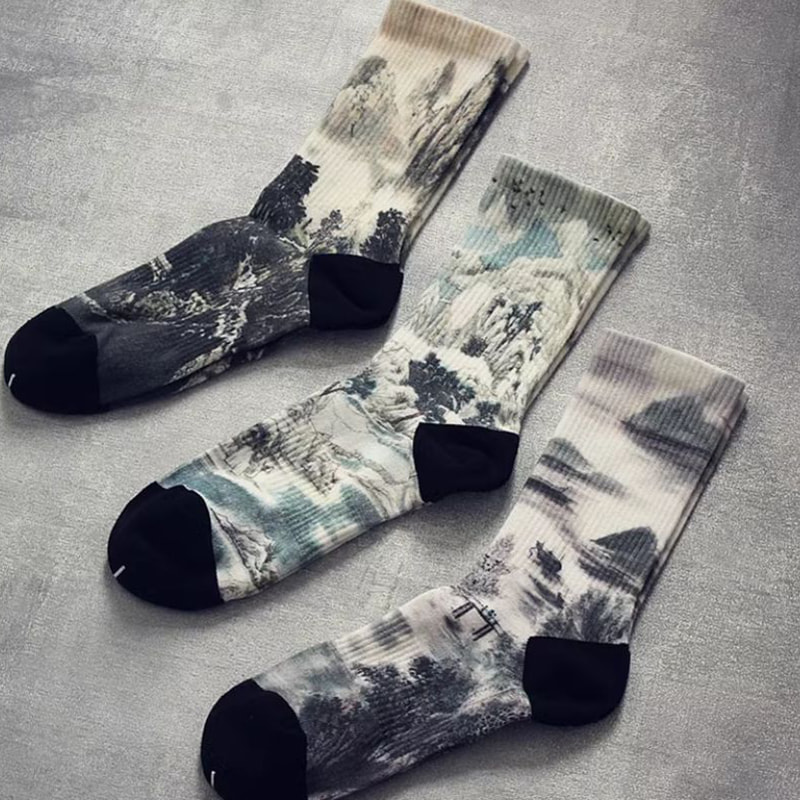
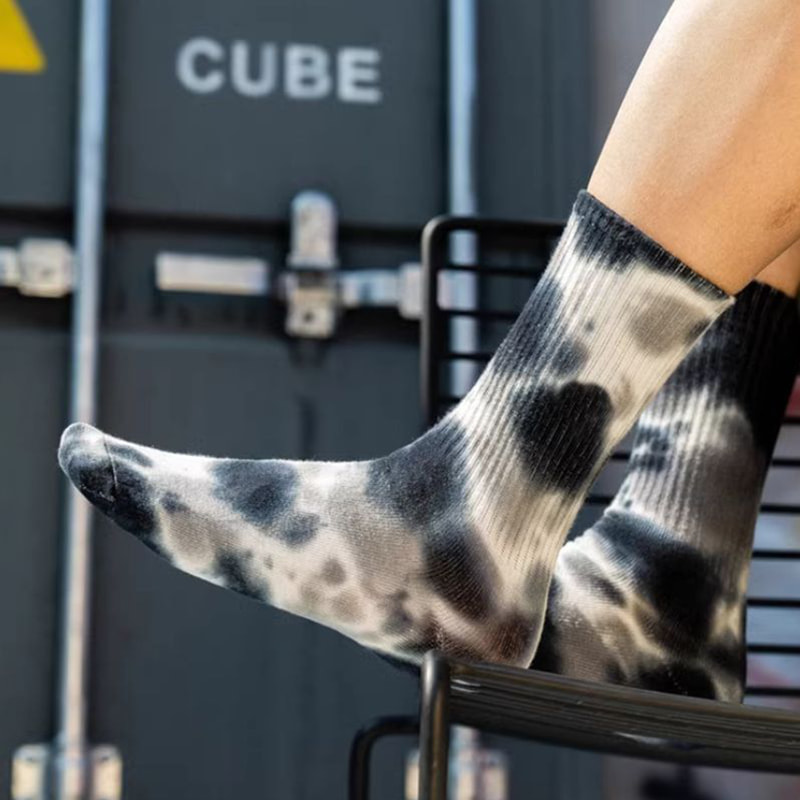
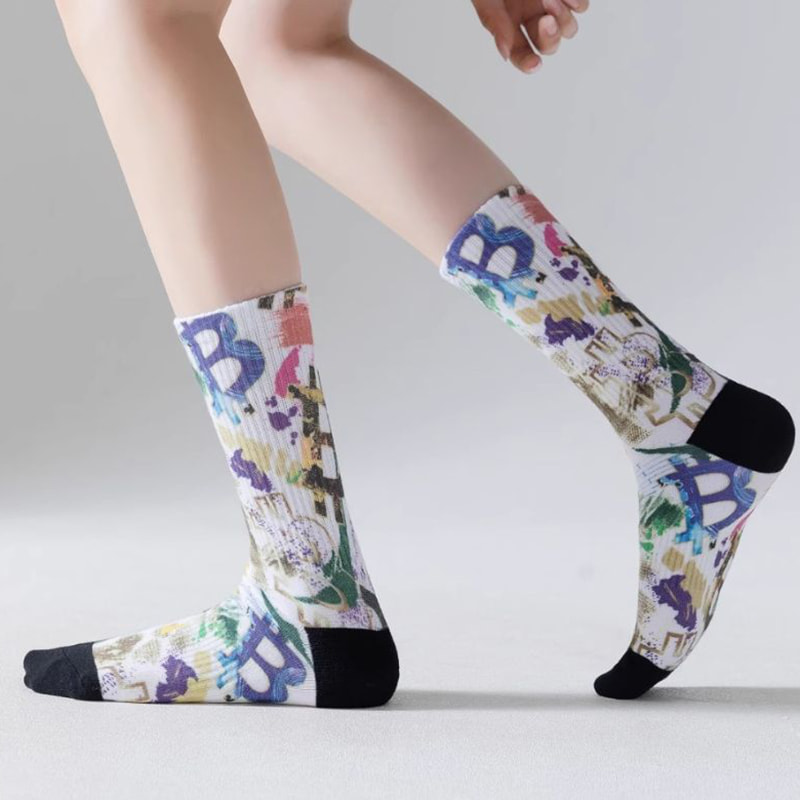
Crew socks are perhaps the most common sock length globally. They offer significant coverage and have recently become a major fashion statement in women's "streetwear" and "athleisure" styles.
Standard Crew Length
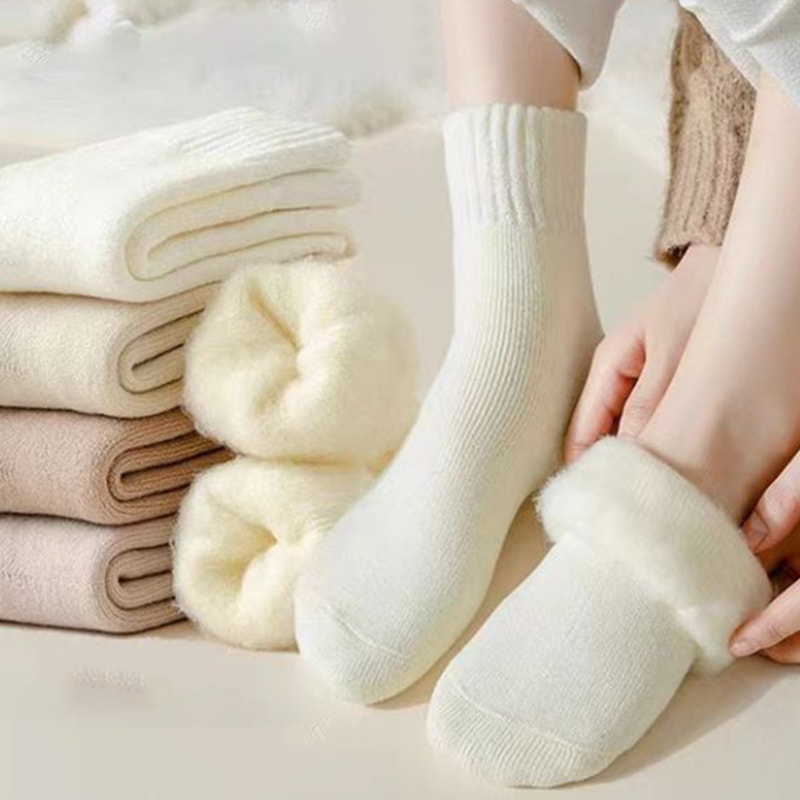
A standard crew sock for women usually measures 6 to 8 inches from the heel to the cuff. It hits at the mid-to-lower calf muscle. These are ideal for:
- Pairing with hiking boots to prevent "boot rub."
- Fashionable scrunching over leggings or athletic tights.
- General daily wear in moderate to cool temperatures.
Mid-Calf and Trouser Socks
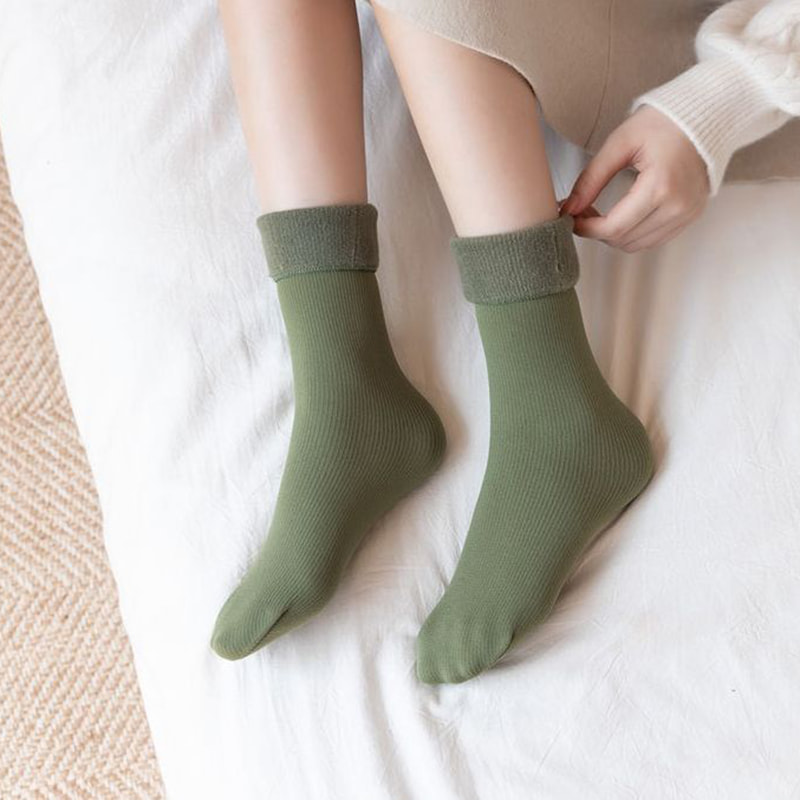
The mid-calf sock (sometimes called the "executive" or "trouser" sock in formal contexts) sits right in the middle of the calf muscle. For women, these are often made from thinner, silkier materials like nylon or fine-gauge wool, designed to be worn under slacks or dress pants. The length ensures that no skin is exposed when the wearer sits down and the pant leg rises.
Tall Sock Varieties: Knee-High and Beyond
Tall socks serve both functional health needs and bold stylistic choices. They provide maximum warmth and can even assist with blood circulation.
Knee-High Socks
These end just below the kneecap. In the medical field, many compression socks are designed in this length to help manage swelling (edema) and improve venous return in the legs. From a fashion perspective, they are a staple of autumnal wardrobes, often peeking out from the top of riding boots or tall rain boots.
Over-the-Knee (OTK) and Thigh-High Socks
These lengths extend past the knee. Over-the-knee socks generally cover the kneecap and stop 1-2 inches above it, while thigh-highs reach the mid-to-upper thigh. These are primarily used for:
- Extra insulation under winter clothing.
- Creating a layered look with short skirts or dresses.
- Costume or performance-based outfits.
Functional Considerations When Choosing Sock Length
While aesthetics are important, the choice of sock length is often dictated by the environment and physical activity. Understanding the technical requirements of your day can prevent discomfort.
Protection and Abrasion
When wearing boots with a 6-inch shaft, a crew sock (approx. 7-8 inches) is mandatory. If a woman wears an ankle sock with a tall boot, the stiff material of the boot's collar will rub directly against the skin, leading to contact dermatitis or blisters within a short period of walking.
Thermal Regulation
Socks do more than absorb sweat; they regulate the temperature of the extremities. Longer socks, such as knee-highs made of merino wool, provide a significant increase in heat retention compared to ankle socks. In sub-zero temperatures, the surface area covered by a sock directly correlates to the preservation of core body heat.
Sizing and Fit Mechanics
It is important to note that "sock length" is also influenced by the wearer's leg proportions. A crew sock on a petite woman may appear closer to a mid-calf sock, while on a woman with longer limbs, it may look shorter. Most manufacturers use the following standard sizing for the foot portion, which then scales the height of the leg accordingly:
- Small: Fits US Women's shoe sizes 4 - 6.5
- Medium: Fits US Women's shoe sizes 7 - 9.5
- Large: Fits US Women's shoe sizes 10 - 12.5
Proper fit ensures that the heel of the sock aligns with the human heel. If the sock is too large, the heel pocket will ride up the Achilles, effectively changing the perceived length of the sock and causing bunching inside the shoe.
Summary of Sock Selection
In summary, the diverse range of women's sock lengths ensures there is a specific match for every shoe and occasion. From the discreet no-show for formal flats to the protective crew sock for rugged hiking, understanding these lengths allows for better comfort and style. When in doubt, the crew sock remains the most versatile "all-rounder," while specialized heights like knee-highs or liners solve specific fashion or medical challenges.



 English
 中文简体
中文简体 Español