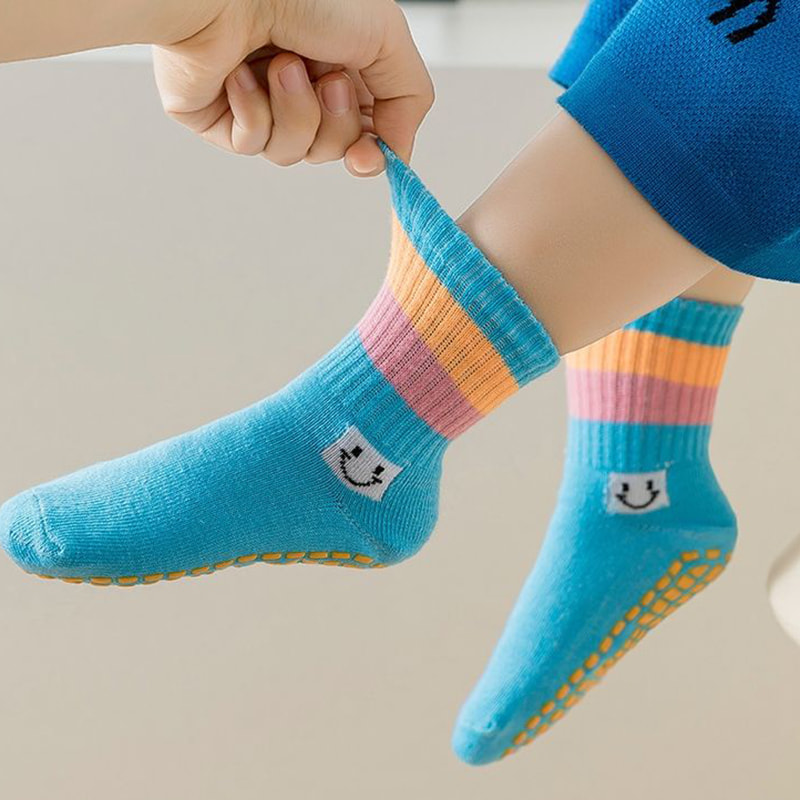
Yes, compression socks do help with lymphatic drainage — but their effectiveness depends on the compression level, how they are worn, and the underlying condition being addressed. Compression socks apply graduated pressure to the lower limbs, which mechanically supports the lymphatic vessels and encourages the upward movement of lymphatic fluid. They are widely used as a first-line, non-invasive tool in managing lymphedema and chronic venous insufficiency. However, they are not a standalone cure and work best as part of a broader lymphatic care routine.
The lymphatic system is a network of vessels and nodes responsible for collecting excess interstitial fluid (lymph) from tissues and returning it to the bloodstream. Unlike the cardiovascular system, the lymphatic system has no central pump — it relies on muscle contractions, breathing, and external pressure to move fluid.
Compression socks work by applying graduated pressure — highest at the ankle and gradually decreasing toward the knee or thigh. This pressure differential creates a mechanical pumping effect that:
- Reduces capillary filtration pressure, limiting the amount of fluid that leaks into surrounding tissues
- Increases tissue pressure, which drives lymph back into lymphatic capillaries
- Supports lymphatic vessel walls, preventing backflow
- Enhances the effectiveness of muscular contractions during walking or exercise
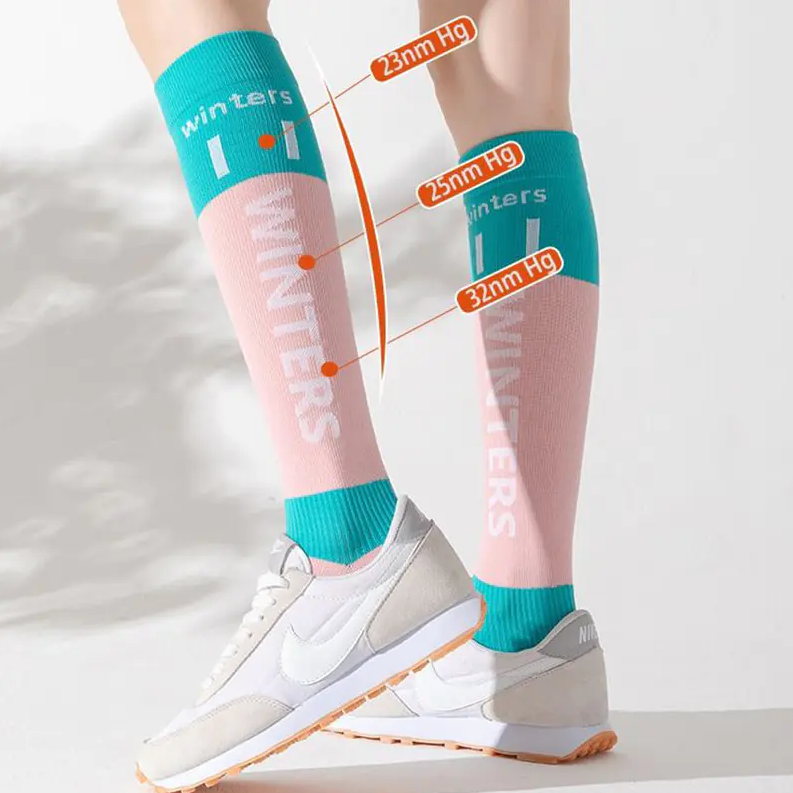
A 2020 review published in the Journal of Vascular Surgery: Venous and Lymphatic Disorders confirmed that compression therapy significantly reduced limb volume in patients with primary and secondary lymphedema, with reductions ranging from 30% to 60% in mild-to-moderate cases when used consistently.
Compression Levels and What They Mean for Lymphatic Use
Not all compression socks are equal. They are classified by millimeters of mercury (mmHg), and choosing the right level is critical for lymphatic benefit.
| Compression Level |
Pressure (mmHg) |
Typical Use Case |
| Mild |
8–15 mmHg |
Travel, minor fatigue, prevention |
| Moderate |
15–20 mmHg |
Mild swelling, varicose veins, pregnancy |
| Firm |
20–30 mmHg |
Lymphedema management, post-surgical |
| Extra Firm |
30–40 mmHg |
Severe lymphedema, chronic venous insufficiency |
| Prescription |
40–50+ mmHg |
Advanced lymphedema, medical supervision required |
Compression sock levels and their clinical applications for lymphatic conditions
For lymphatic drainage purposes, 20–30 mmHg is the most commonly recommended range for everyday management. Higher levels (30–40 mmHg) are typically prescribed by a healthcare provider and should not be self-selected, as excess compression can impair arterial blood flow in people with peripheral artery disease.
Who Benefits Most from Compression Socks for Lymphatic Drainage
Compression socks are not universally beneficial for everyone. They are most effective for specific populations where fluid accumulation or lymphatic dysfunction is present.
People with Lymphedema
Lymphedema is a chronic condition where damaged or missing lymph nodes cause fluid buildup, typically in the arms or legs. Compression garments are a cornerstone of lymphedema treatment. Studies show that consistent use of compression stockings in combination with manual lymphatic drainage (MLD) can reduce limb circumference by an average of 5–10 cm over a 4-week treatment period.
Post-Cancer Treatment Patients
Secondary lymphedema commonly develops after cancer surgeries involving lymph node removal — particularly breast cancer, melanoma, and gynecological cancers. Up to 40% of breast cancer survivors develop lymphedema in the arm or upper body after axillary lymph node dissection. While arm sleeves are standard for upper-body lymphedema, compression socks are prescribed when the lower limbs are affected.
People with Chronic Venous Insufficiency
When leg veins fail to efficiently return blood to the heart, fluid leaks into surrounding tissues and overloads the lymphatic system. Compression socks reduce venous pressure and secondary lymphatic congestion, improving both venous and lymphatic return simultaneously.
Frequent Flyers and Sedentary Workers
Prolonged sitting or standing reduces muscle pump activity, slowing lymphatic flow. Mild compression (15–20 mmHg) during long flights or desk-based work can prevent minor swelling and discomfort, particularly in the ankles and feet.
Compression Socks vs. Manual Lymphatic Drainage: Key Differences
It is important to distinguish between compression therapy and manual lymphatic drainage (MLD), as they are complementary rather than interchangeable.
- Manual Lymphatic Drainage (MLD): A specialized massage technique performed by a certified therapist, using light, rhythmic strokes to actively redirect lymph fluid around blocked nodes toward functioning lymphatic pathways.
- Compression Socks: Provide passive, continuous pressure that maintains the reduction achieved by MLD and prevents reaccumulation during daily activity.
The gold-standard treatment protocol, known as Complete Decongestive Therapy (CDT), combines MLD, compression bandaging, exercise, and skin care. Compression garments play a critical maintenance role after the intensive decongestive phase.
How to Wear Compression Socks Correctly for Maximum Benefit
Improper use of compression socks reduces their effectiveness and can cause discomfort or skin issues. Follow these practical guidelines:
- Put them on in the morning, ideally before getting out of bed, when limbs are least swollen and fluid has not yet pooled in the lower extremities.
- Ensure a proper fit — socks should be snug but not leave deep indentations or cut off circulation. Measure ankle circumference and calf circumference before selecting a size.
- Wear throughout the day while upright and active. Remove before sleeping unless specifically directed otherwise by a physician.
- Replace socks every 3–6 months, as elastic fibers degrade with washing and wear, reducing compression effectiveness by up to 40% after 150–180 wash cycles.
- Combine with movement — walking or ankle exercises amplify the mechanical pump effect of compression socks on lymphatic flow.
Situations Where Compression Socks Are Not Recommended
Compression socks are contraindicated or require medical supervision in several conditions. Using them improperly in these cases can worsen outcomes:
- Peripheral artery disease (PAD): External compression can further reduce arterial blood flow in individuals with already compromised circulation.
- Congestive heart failure: Rapidly increasing venous return may stress an already weakened heart.
- Severe skin infections or open wounds: Compression over damaged skin can worsen injury.
- Deep vein thrombosis (DVT) without medical guidance: Compression may dislodge a clot in certain acute DVT presentations.
Always consult a physician or certified lymphedema therapist before selecting compression levels above 20 mmHg, especially if you have a known circulatory or cardiac condition.
Do Compression Socks Help Healthy People with Lymphatic Drainage?
For people without lymphatic or venous dysfunction, the evidence for compression socks as a "detox" or lymphatic enhancement tool is limited. The lymphatic system in healthy individuals functions efficiently on its own, driven by breathing, movement, and muscle activity.
That said, mild compression (15–20 mmHg) can provide measurable benefits for healthy people in specific circumstances:
- Reducing exercise-induced muscle soreness and swelling in athletes — a 2014 study in the Journal of Strength and Conditioning Research found compression garments reduced post-exercise limb swelling by approximately 15–20% in runners.
- Preventing ankle swelling during prolonged travel or immobility.
- Supporting comfort during pregnancy, when increased blood volume and uterine pressure impair venous return.
However, wearing high-compression socks without a clinical indication does not meaningfully accelerate lymphatic drainage or provide systemic detoxification benefits beyond what the healthy body already accomplishes on its own.
Bottom Line: Are Compression Socks Worth It for Lymphatic Health?
For people with lymphedema, chronic venous insufficiency, or post-surgical swelling, compression socks are a clinically validated and cost-effective tool that directly supports lymphatic drainage. Evidence consistently shows volume reductions, improved quality of life, and reduced risk of infection when they are used appropriately and consistently.
For healthy individuals, they offer situational benefits — particularly during travel, intense exercise, or prolonged standing — but should not be viewed as a lymphatic enhancement device in the absence of an underlying condition.
The key is matching the right compression level to the right condition, wearing them correctly, and integrating them as part of a complete lymphatic care plan when medically indicated.



 English
 中文简体
中文简体 Español