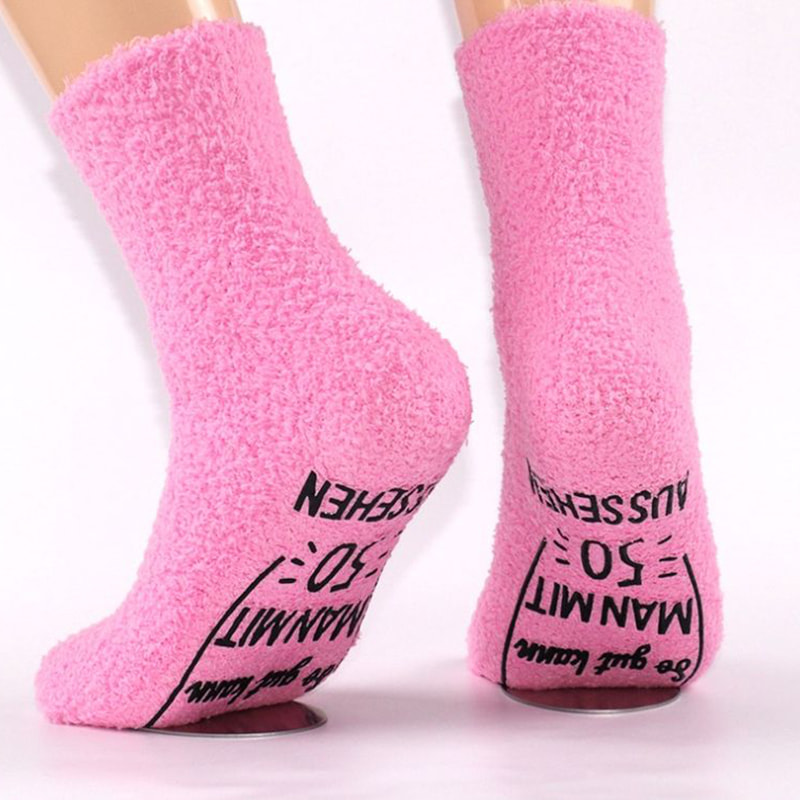
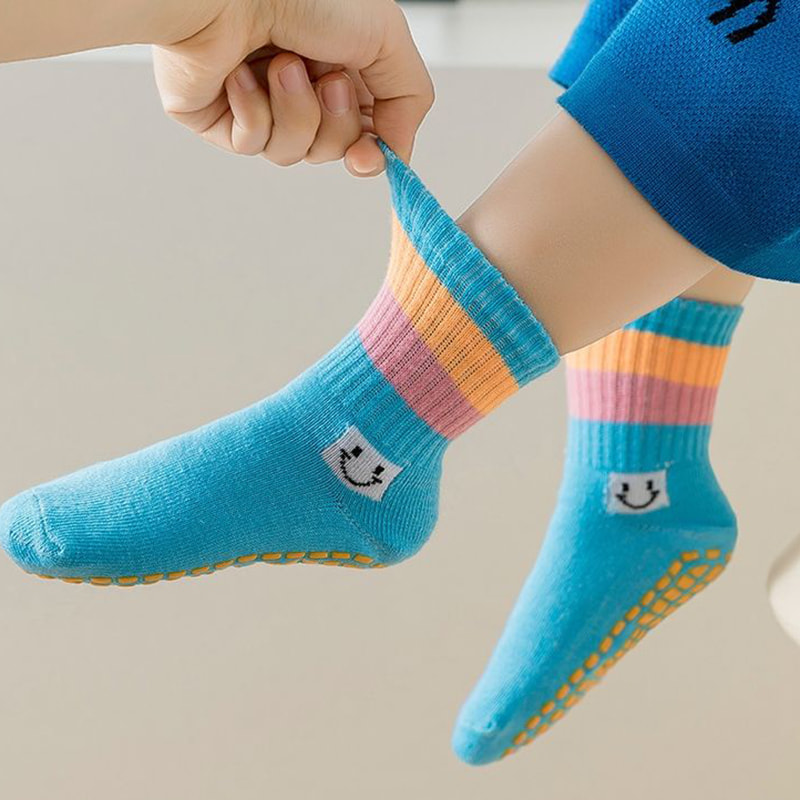
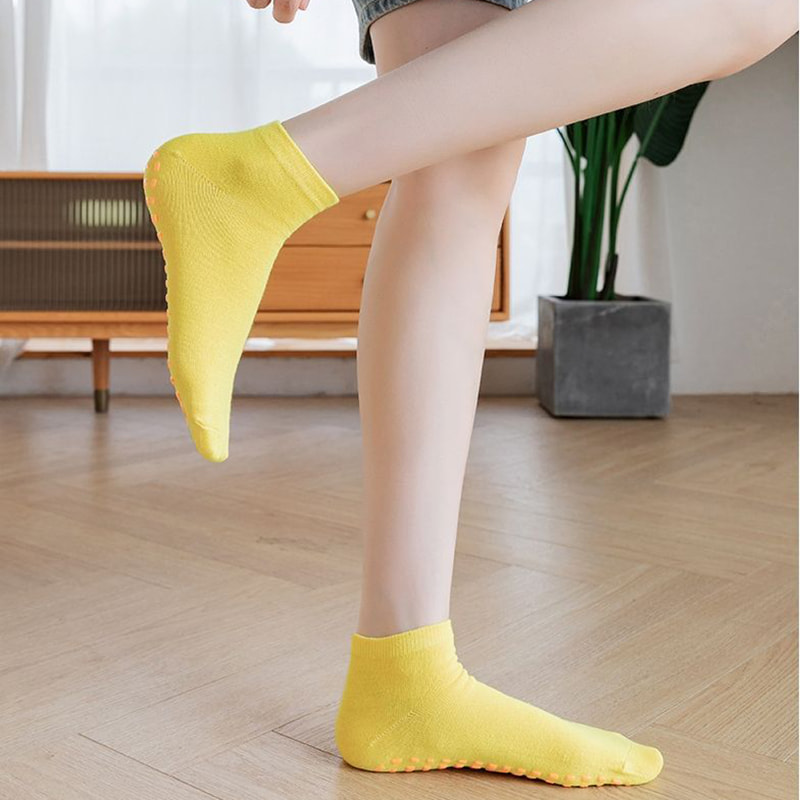
At mile three, a loose sock can bunch under the arch and turn a steady run into a blister check. That is the practical reason men's training socks exist. They are athletic socks made for repeated movement: they wick sweat, stay in place inside a shoe, cushion high-pressure areas, and dry faster than an everyday cotton crew. If you are asking what a men's training sock is, the short answer is that it is a piece of sports equipment, not just a soft layer between foot and shoe.
The short answer: built for movement, not just coverage
A men's training sock is designed around three jobs: moisture control, fit stability, and targeted protection. The best pairs feel unremarkable in the shoe because they do not slide, wrinkle, or hold sweat against the skin. Key features usually include:
- A synthetic or wool-rich blend that moves moisture away from the foot and dries quickly.
- A snug heel pocket and arch band that keep the sock from rotating during lunges, sprints, or direction changes.
- Terry loop cushioning under the heel and forefoot, with a thinner midfoot for a closer shoe fit.
- A flat or seamless toe seam to reduce rubbing at the toes.
- Reinforced heel and toe zones for repeated washing and daily training wear.
These details separate training socks from dress socks and casual crew socks. A dress sock is built for appearance and low bulk. A casual cotton crew is built for softness. A training sock is built for the repeated stress of sport.
Training socks vs everyday socks vs compression socks
Training socks are not automatically compression socks, and they are not simply thicker everyday socks. The table below compares the usual design priorities.
Training socks sit between everyday socks and medical-grade compression; the table compares typical design priorities rather than brand claims.
| Type |
Primary job |
Typical construction |
Best use |
| Everyday cotton crew |
Soft coverage and warmth |
Cotton-rich knit, simple rib, minimal cushioning |
Casual wear and low-sweat daily use |
| Men's training socks |
Stability, moisture control, targeted cushioning |
Polyester or nylon blend with elastane, terry loop zones, arch band, flat toe seam |
Gym work, running, team sports, cycling, and regular training sessions |
| Compression sports socks |
Graduated pressure and muscle support |
Engineered pressure zones, often higher elastane content |
Long endurance events or clinical advice, not a casual substitute |
Fabric and moisture management
Sweat management is the first job. Cotton absorbs moisture and holds it against the skin; a heavy cotton sock becomes wet, heavy, and abrasive during a long session. Most men's training socks use polyester or nylon for quick drying and durability, blended with a small amount of elastane for stretch recovery. Merino wool is another option for cool-weather training because it regulates temperature and resists odor, though it usually costs more and needs gentler care. Combed cotton can work in a blend for low-sweat gym sessions, but pure cotton is a poor choice for high-sweat running or court sports.
Look at the knit, too. Mesh panels over the top of the foot release heat; a denser knit underfoot improves durability; terry loop piles add cushioning without foam inserts. For buyers comparing samples, ask for yarn composition, terry density, and elastane percentage instead of judging by feel alone. A useful reference point is the construction of men's mid-length training socks, where cushioning and breathability often need to be balanced in one silhouette.
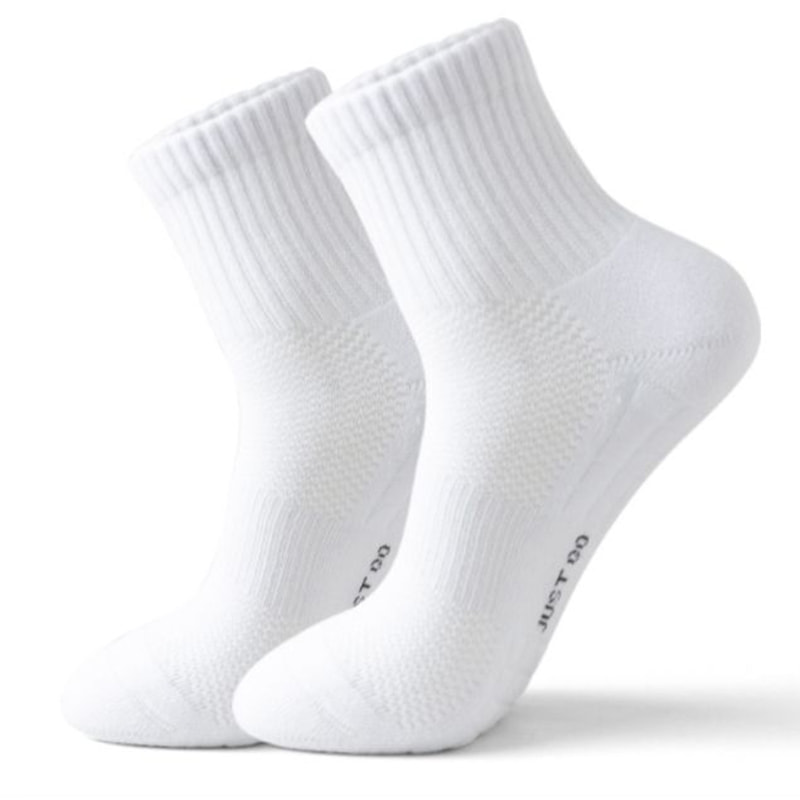 Men's Mid-Length Towel-Bottom Running and Training SocksMid-length running socks with a towel-bottom knit for cushioning and moisture absorption, plus breathable panels; useful when comparing cushioning and breathability in one silhouette.View Product →
Cushioning, arch support and seam placement
Cushioning is not a case of more is better. A sock with thick terry throughout can make a snug shoe feel tight and reduce ground feel. Training socks usually place cushioning under the heel and forefoot, with a thinner midfoot so the shoe's arch support can do its job. An arch band, sometimes called an instep band, adds a light grip around the midfoot. A heel pocket should cup the back of the heel rather than pull across the Achilles. A flat or seamless toe seam reduces rubbing at the toes. If you have wide feet or high arches, check these details before you size up; a larger sock will wrinkle rather than fit better.
Match sock height and weight to the sport
Height is a functional choice. A no-show sock keeps a low profile in lifting shoes but may let debris into a trail shoe. A quarter or ankle sock suits gym work and cycling. A crew sock protects the lower calf, stays put in team sports, and is easier to tape. Weight matters as well: thin socks for tight cycling shoes, medium cushioning for running and court sports, thicker looped knits for cold-weather training.
- Gym and lifting: quarter or crew height, low to medium cushion, firm heel fit.
- Road or treadmill running: quarter or crew height, forefoot and heel cushion, breathable upper.
- Football, rugby, and hockey: crew or over-calf height, denser cushion, secure arch.
- Cycling: thin, seam-free, minimal cushion to avoid pressure points.
- Cold-weather training: merino or looped cotton blend, taller height, warmth without bulk.
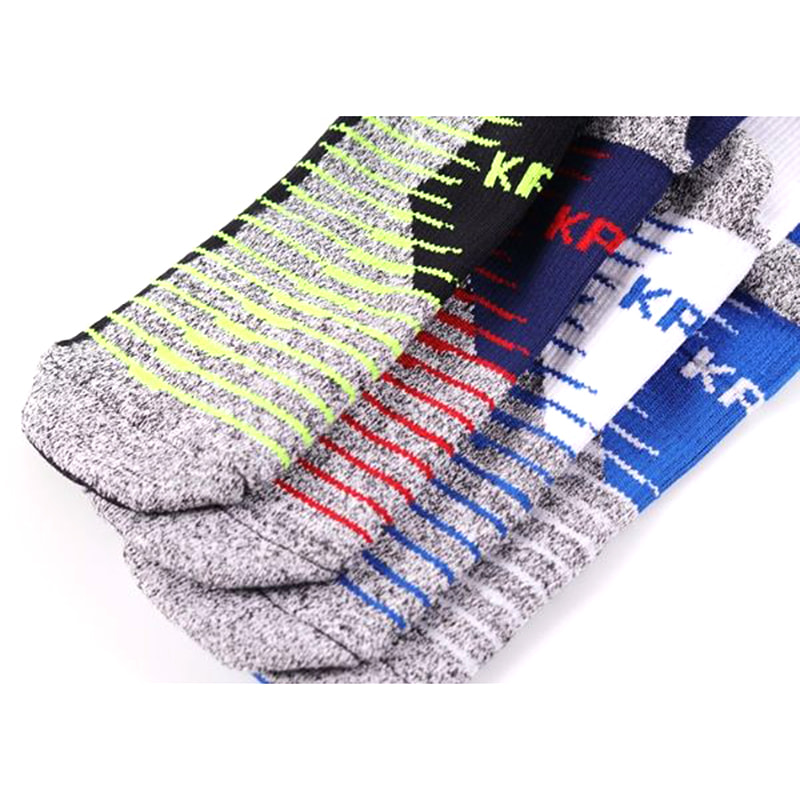 Long-Tube Woolen Football Stockings for Cold-Weather PlayLong-tube football socks with thickened looped knit for cold-weather warmth, calf coverage, and breathability; worth checking when height and insulation matter.View Product →
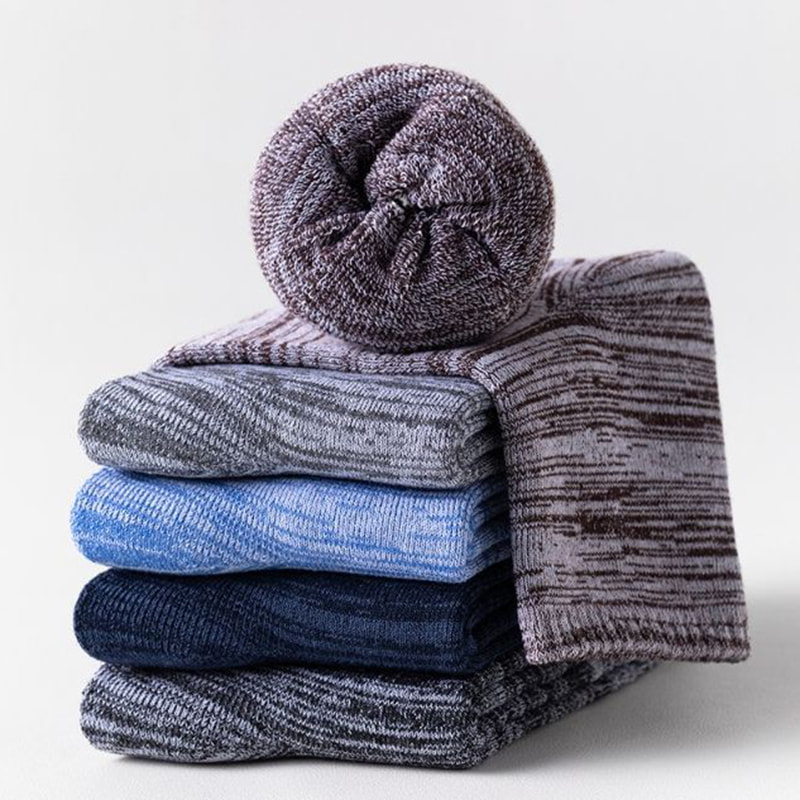 Men's Thickened Heat-Storage Looped Mid-Length SocksMid-length men's socks with a thick looped layer for winter warmth and moisture management, plus elastic cuffs; relevant when comparing thicker knits for cold-weather training.View Product →
Fit checks before you buy
Most training sock problems start with fit, not fiber. Use these checks before you commit to a size or a bulk order:
- Measure foot length and compare it with the sock size chart, not only with shoe size.
- Slide the sock on and confirm the heel pocket sits under the heel bone, not halfway up the ankle.
- Check the toe box: toes should lie flat without pressure or excess fabric.
- Test the arch band. It should feel secure but not leave a deep mark after ten minutes.
- Put the sock inside the training shoe and move through a squat, a lunge, and a short run. Any bunching under the arch is a fail.
Durability, care and replacement
A training sock earns its place through repeated washes. Rotate at least three to five pairs if you train most days, and wash inside out in cool or warm water with a mild detergent. Avoid fabric softener because it coats technical fibers and reduces wicking. Air dry when possible; high heat breaks down elastane and shortens the life of the arch band. Replace socks when the heel or forefoot becomes thin, the elastic loses snap, or the toe seam starts to rub. A sock that stays damp after a normal wash cycle is also a sign that the knit is tired.
Wholesale and private-label considerations
For brands and retailers, a training sock is a specification sheet as much as a style. Confirm yarn count, gauge, terry loop density, elastane percentage, size grading, colorfastness, and packaging before bulk production. A sock that passes a hand-feel check can still fail after five washes if the elastane is under-specified or the toe seam is bulky.
BoLong Socks, based in Zhuji, makes men's training and sports styles across mid-length, long, and short categories. Its factory has 120 sock machines, in-house design, raw material, production, shaping, quality inspection, and packaging departments, plus more than 20 partner factories for glue-dot, embroidery, and raising work. That setup suits buyers who need a consistent supply of men's socks in cotton, combed cotton, wool blends, and looped terry constructions. Explore the men's sock range to compare silhouettes and constructions.
Common questions
Are cotton training socks bad?
Not automatically. A cotton blend can be fine for low-sweat gym work. Pure cotton is a poor match for heavy sweat because it dries slowly and holds moisture against the skin.
Do training socks need arch support?
An arch band improves grip around the midfoot, but it is not medical support. If you need clinical compression or arch treatment, speak to a clinician.
How often should I replace them?
Replace training socks when the heel or forefoot thins, the elastic loosens, or seams begin to rub. For regular training, keeping several pairs in rotation is more practical than stretching one pair through the week.
Treat a men's training sock like any other piece of kit: check the fiber, the fit, and the failure points. A well-made pair should disappear inside the shoe, manage sweat, and still hold its shape after repeated washes. That is a more useful test than any label claim.



 English
 中文简体
 Español