The short answer: choose the sock height from the shoe, then check it against the length of the shorts. A low-profile sneaker with shorts that end above the knee usually looks cleanest with a no-show or ankle sock. A chunkier retro trainer or boat shoe can carry a visible sock, but the height has to look intentional. The awkward result is a sock that peeks 1 cm to 2 cm above the shoe collar. It reads as a fit mistake rather than a style choice.
The three decisions that matter
Three decisions drive the result: shoe volume, short hem and sock height. Shoe volume sets the visual weight at the foot. A slim canvas shoe needs a thin sock; a chunky trainer can handle more fabric. The short hem sets how much leg is exposed. The sock creates the line between the two.
Start with a simple standard: either hide the sock completely or show at least 6 cm of it. A tiny visible band is the least reliable option. If you want a visible sock, make it a clear band with a clean rib or a plain knit, not a rumpled edge.
Match sock height to shoe style
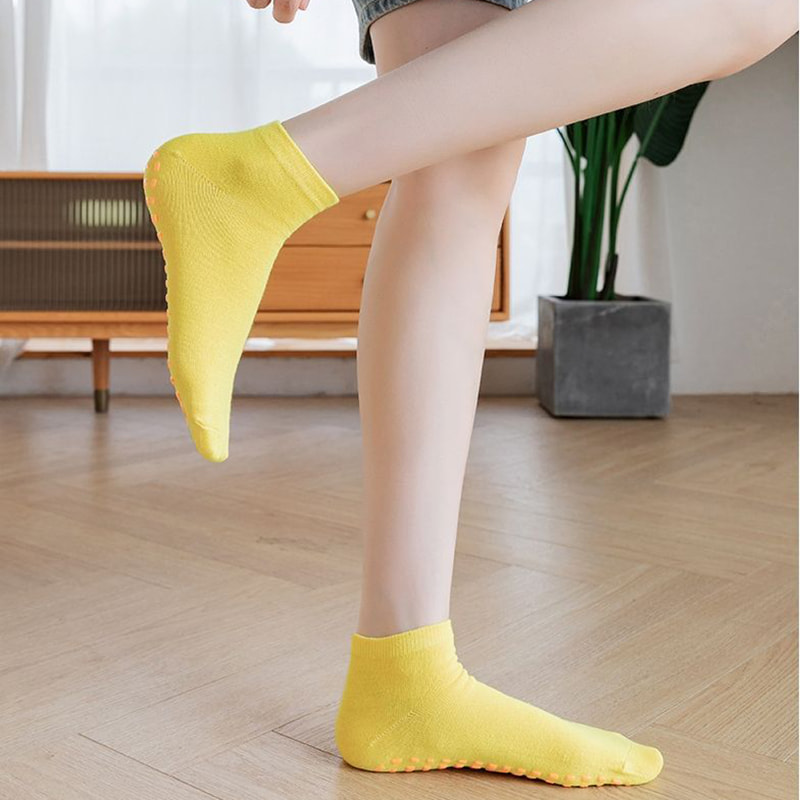
Low-profile sneakers, canvas shoes and boat shoes are the easiest match for no-show socks. The sock should stay below the collar when you stand, walk and sit. Check the heel grip before you buy. A silicone strip near the heel is more reliable than a narrow elastic band, especially in warm weather when feet can slide.
For chunky retro trainers, an ankle or mid-calf sock can work because the shoe already has visual weight. Keep the sock simple: a ribbed crew in white, cream, navy or black is easier to control than a busy pattern. The sock should end either just above the shoe collar or clearly on the calf. Avoid a height that lands at the widest part of the calf if you want a leaner line.
Use shoe volume and short length as the first filter; sock height follows from there.
| Shoe type |
Best sock height |
Short length |
Practical note |
| Low-profile sneakers and canvas shoes |
No-show or thin ankle |
7 to 9 inch shorts |
Check heel grip and make sure the sock stays hidden when walking. |
| Chunky retro trainers |
Ankle or mid-calf |
At or above the knee, or 7 to 9 inch |
A visible sock is part of the look; keep the knit simple. |
| Running and training shoes |
No-show or technical crew |
5 to 7 inch running shorts |
Choose moisture-wicking fabric and a flat toe seam. |
| Boat shoes and loafers |
No-show or very low ankle |
7 to 9 inch chino shorts |
Avoid thick crew socks; friction at the heel matters. |
| Casual leather shoes |
Thin ankle or fine mid-calf |
Tailored shorts |
Match sock color closely to the shoe for a quieter line. |
For daily wear, the most useful pair is a no-show sock that stays put. Look for a wide heel grip, a cushioned sole and a toe seam that does not rub.
 200-Needle Silicone Anti-Slip Men's Invisible SocksFine 200-needle weaving and a silicone heel grip help these men’s no-show socks stay hidden and secure during daily wear.View Product →
Visible socks need a different standard. The top should sit flat, not roll, and the leg should not feel compressed. If the sock leaves a deep mark after 20 minutes, the opening is too tight.
Match socks to short length and leg line
Short length changes the proportion more than most men expect. With 5 to 7 inch shorts, the leg is exposed and the shoe becomes the visual anchor. A no-show sock keeps that line quiet. A visible ankle sock adds a small horizontal break; a mid-calf sock adds a much stronger one.
With 9 inch or knee-length shorts, there is more fabric and less bare leg. A low no-show sock can make the outfit look top-heavy because the ankle disappears. A thin ankle sock or a mid-calf sock can restore balance, especially with a chunkier shoe.
Watch the gap between the short hem and the sock top. A gap of 2 cm to 4 cm often looks cramped. Either close the gap or make it clearly wider. Cargo shorts sit in a casual range, so a simple ankle sock or no-show sock is usually enough. Pleated shorts have a retro tone, so a ribbed ankle sock or a clean mid-calf sock fits the mood better than a technical running sock.
Fabric, thickness and warm-weather comfort
Warm weather makes thickness a practical issue. A heavy towel sock under a slim sneaker adds bulk and holds heat. A thin cotton or cotton-blend sock with a mesh panel is usually a better match for shorts, provided the heel grip and toe seam are clean.
Fabric choice also affects odor and drying time. Pure cotton feels soft but stays damp longer. Blends with polyester, nylon or spandex dry faster and hold their shape. For running or gym use, choose a technical sock rather than a fashion sock. For casual wear, combed cotton with a small amount of stretch is a reasonable middle ground.
 Cotton Mesh Men's No-Show Boat SocksA breathable mesh instep and pure cotton construction suit hot-weather wear, while the elastic cuff helps these no-show boat socks stay in place.View Product →
Check the inside as carefully as the outside. Flat toe seams reduce rubbing. A fitted heel pocket keeps the sock from twisting. A sock that is too large will bunch under the foot; one that is too small will pull at the toe.
Color and pattern without overthinking it
The safest approach is to repeat a color already present in the shoe or the shorts. White socks with white sneakers look intentional. Navy or black socks with dark shoes create a continuous line. A bright sock can work as the only accent, but it should not compete with a patterned short.
- White or cream sock with white sneakers and neutral shorts
- Navy or black sock with dark sneakers or leather shoes
- One bright color with solid shorts and a plain shoe
- A low-contrast sock when the shorts already have a pattern
Pattern scale matters too. A fine rib reads as texture from a distance. A large stripe or graphic draws attention to the ankle, so keep the rest of the outfit calm.
Athletic, casual and smart-casual settings
Running shorts and athletic shoes call for function first. A no-show sock can work for short runs, but a technical crew sock offers better coverage against shoe friction. The sock should be thin where the shoe fits tight and cushioned where you need it. Do not wear a thick casual sock in a snug running shoe.
Boat shoes and loafers are usually best with no-show socks. The exposed ankle keeps the line clean, and the sock stays out of sight. If a visible sock is part of the look, choose a very low ankle sock in a color close to the shoe.
Smart-casual shorts need more control. A fine ankle sock in navy, charcoal or brown can work with leather shoes, but a thick white crew sock will look out of place. Keep the sock smooth and the color close to the shoe. Socks with sandals is a separate style decision. For a conventional look, leave sandals sock-free; if you wear socks, treat it as a deliberate streetwear choice and keep the sock thin and dark.
Common mistakes and a quick fit check
Most problems show up in the first ten minutes. Use this check before you leave:
- Stand and walk. The sock should not slip below the heel.
- Sit down. The sock should not pull tight across the top of the foot.
- Check the mirror from two meters away. A tiny band of sock at the shoe collar is usually a sign to change height.
- Feel the toe box. A crowded toe means the sock is too thick.
- Look at the color in daylight. A sock that matches under indoor light can look wrong outside.
- Check the short hem and sock top together. If the gap looks cramped, change one of them.
Buying risk is highest with no-show socks because fit depends on heel shape and shoe last. Buy one pair first, wear it for an hour, then decide whether to add more.
Care that keeps shape and grip
Wash socks inside out and follow the care label. High heat weakens elastic and can shorten the life of a silicone grip. Avoid overloading the machine, because socks catch on zips and hooks. Air drying is gentler than a hot tumble dryer.
For a deeper routine, see our care and maintenance advice for men's round mouth boat socks. The same basics apply to most everyday socks: gentle wash, low heat and a little space in the drawer.
A final checklist before you buy
Before you buy, answer four questions. Which shoes will you wear most often? How long are your shorts? Do you want the sock hidden or visible? How much cushioning do you need?
A small rotation covers almost every case: one no-show pair, one thin ankle pair and one mid-calf pair. Start with those three, then add color or pattern once the fit is right. Our men's sock collection groups these basics by height and use.
The best result is not the most noticeable sock. It is the combination that makes the shoe, the short and the leg look like one deliberate choice.



 English
 中文简体
 Español