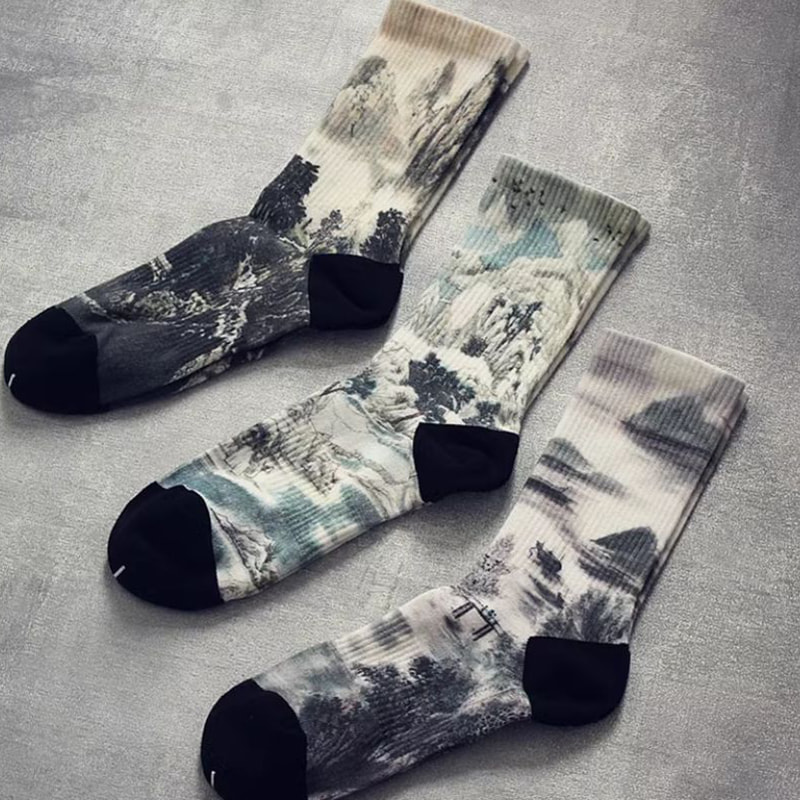
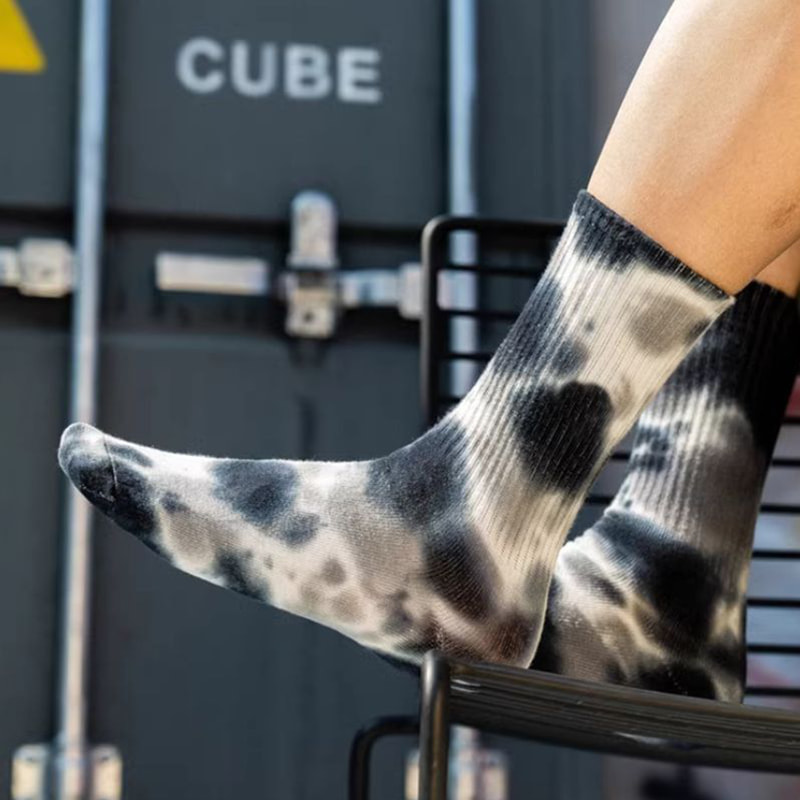
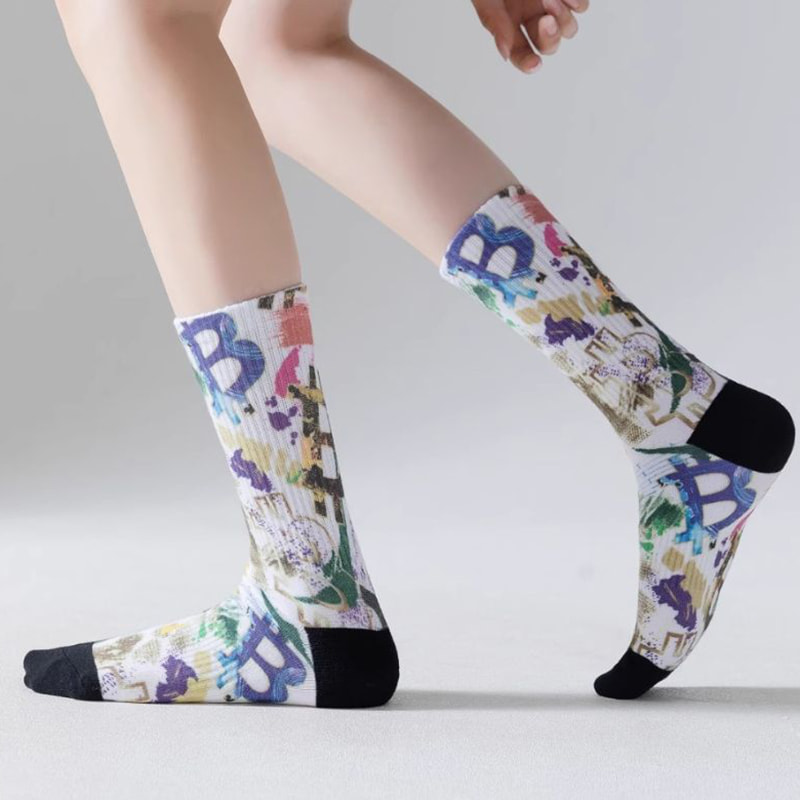
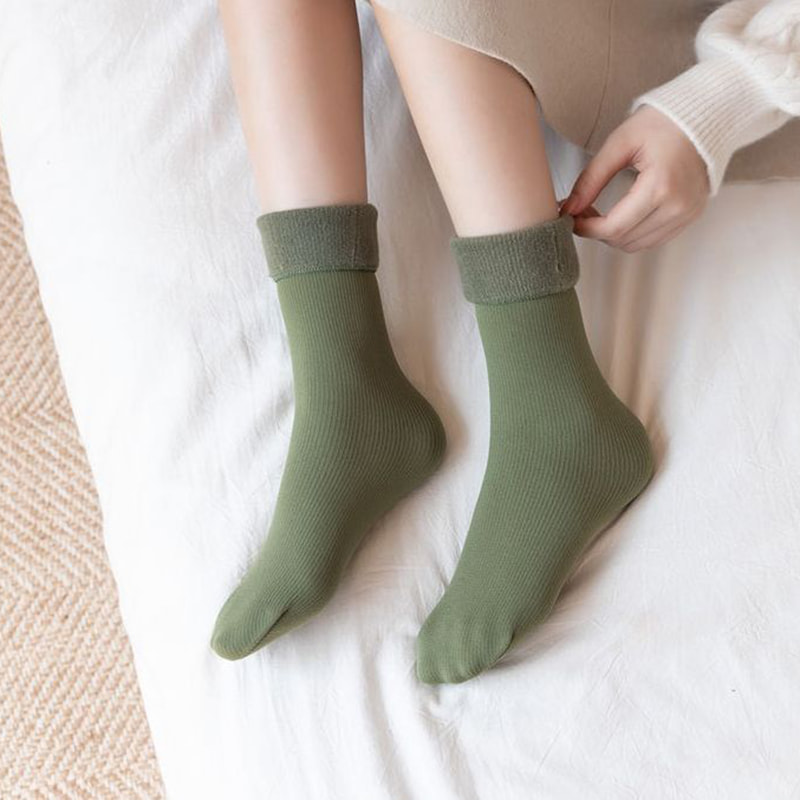
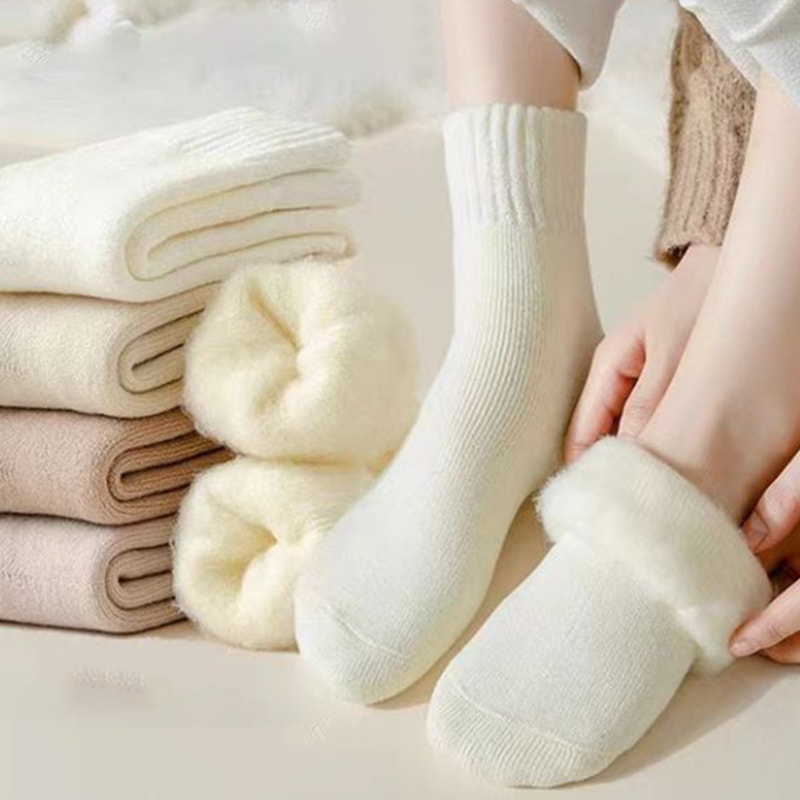
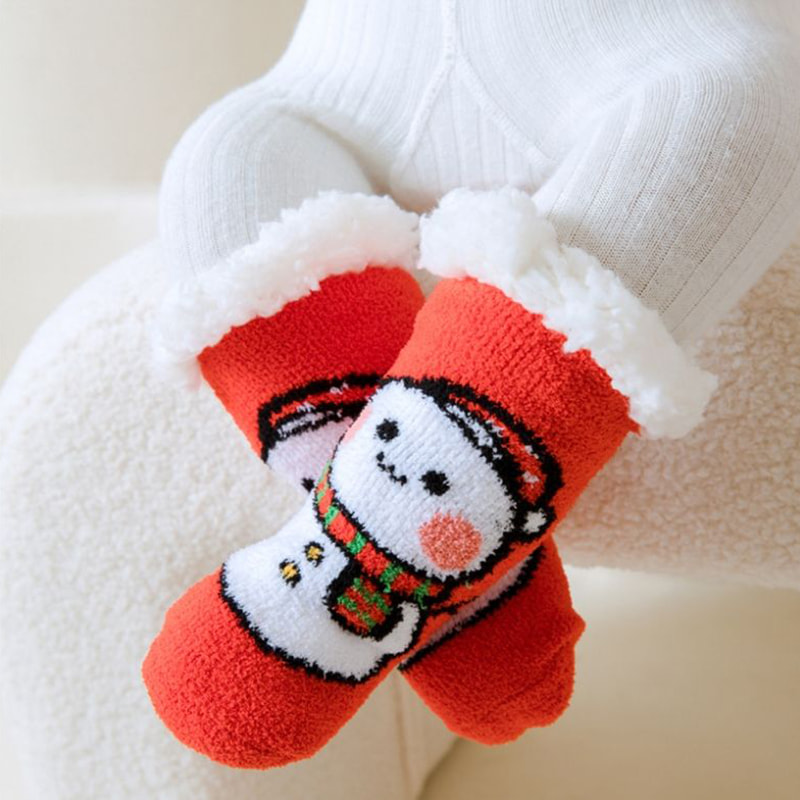
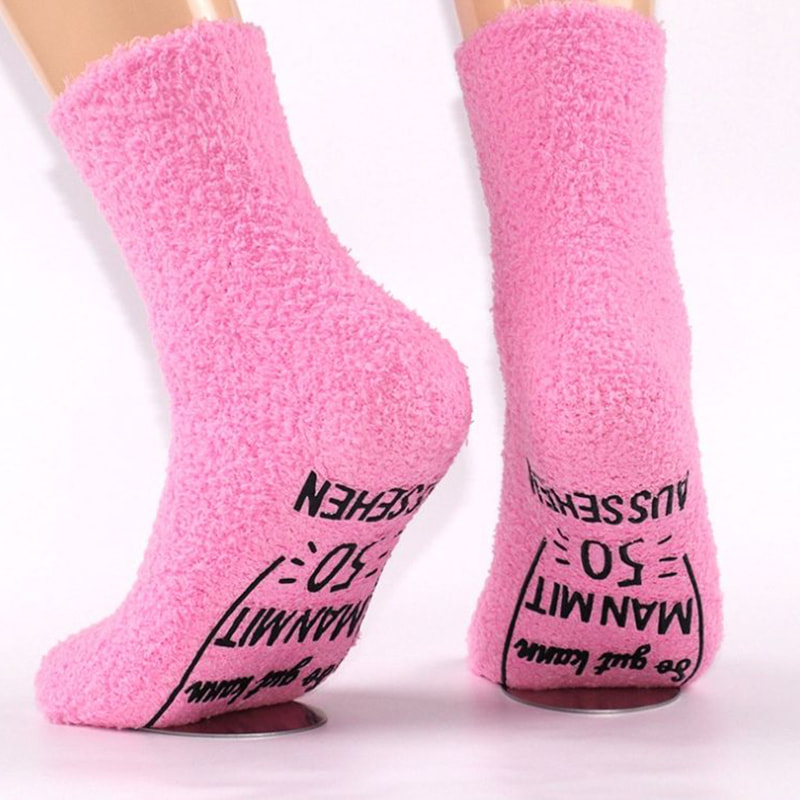
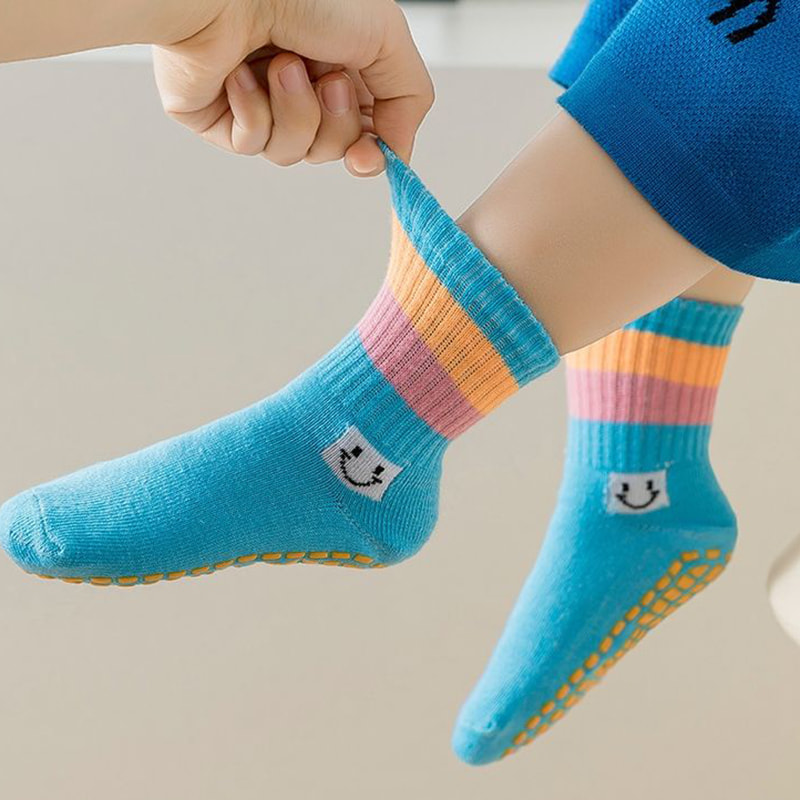
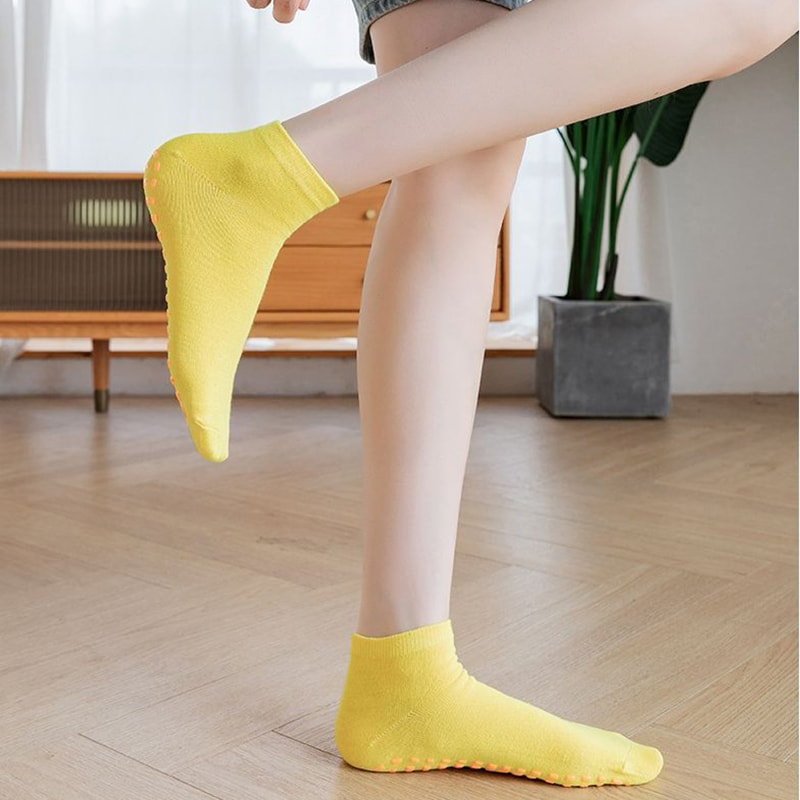
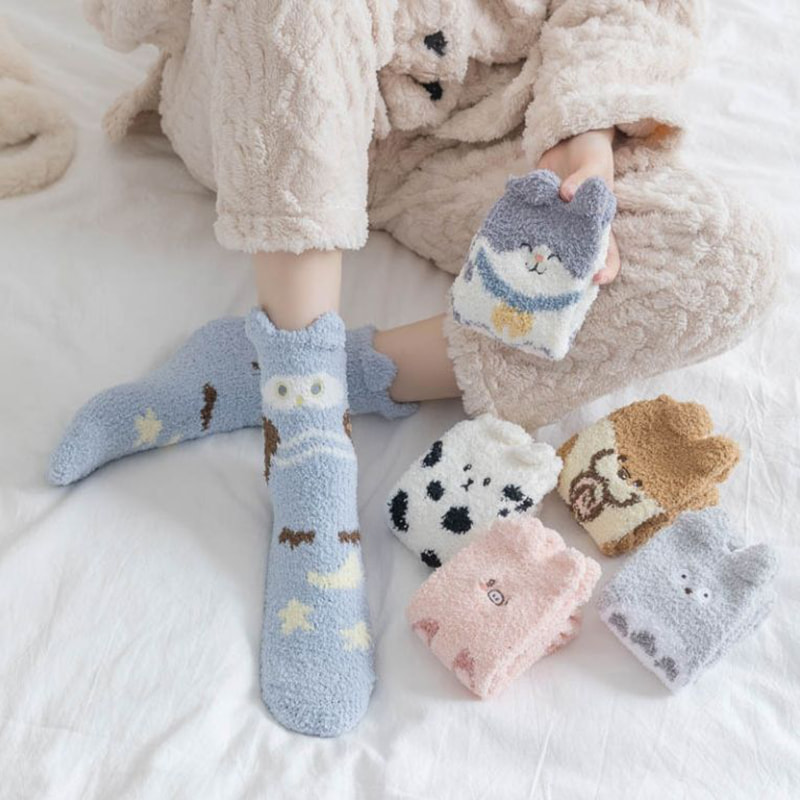
Children's mid tube socks differ from regular socks primarily in length, coverage, and protection level. Mid tube socks extend to the mid-calf area, providing ankle and lower leg protection that regular ankle socks cannot offer. They are specifically designed for active children, offering better stability during sports, outdoor activities, and cooler weather while maintaining breathability for comfort.
Length and Coverage Differences
Mid Tube Sock Height
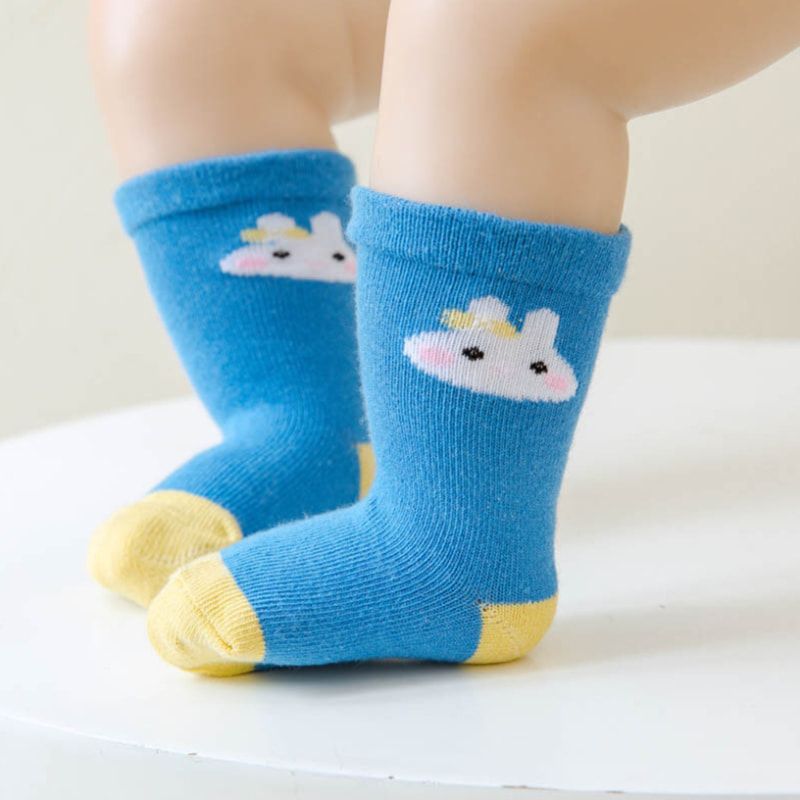
Children's mid tube socks, also known as crew socks, extend from the foot up to the mid-calf area—typically measuring 6-8 inches above the heel. This length provides coverage that protects the ankle bone and lower calf, making them suitable for most seasons and scenarios. The extended height ensures socks stay in place during active play and provides a barrier between the child's leg and footwear.
Regular Sock Variations
Regular children's socks typically include ankle socks, no-show socks, and quarter socks. Ankle socks sit just above the ankle bone, offering minimal coverage. No-show socks remain hidden below the shoe line, providing only foot coverage. These shorter styles prioritize breathability and a lightweight feel but sacrifice the protective benefits of longer socks.
Height Comparison Summary
The following table illustrates the coverage differences between mid tube socks and regular sock types:
Sock Height and Coverage Comparison for Children
| Sock Type |
Height Above Heel |
Coverage Area |
| Mid Tube (Crew) |
6-8 inches |
Foot, ankle, mid-calf |
| Ankle Socks |
1-2 inches |
Foot, ankle bone |
| No-Show Socks |
Below shoe line |
Foot only |
Protection and Functional Benefits
Ankle and Lower Leg Protection
Mid tube socks provide superior protection compared to regular ankle socks. The extended coverage protects children's ankles from blisters, debris, and friction caused by shoes and boots. During outdoor activities, mid-calf height prevents scratches from plants, insect bites, and minor impacts that shorter socks cannot shield against. This makes mid tube socks particularly valuable for hiking, camping, and playground activities.
Sports and Athletic Performance
For children participating in sports, mid tube socks offer distinct advantages. They provide cushioning and support around the ankle and arch, reducing fatigue during physical activities. Many athletic mid-calf socks feature protective cushioning on high-impact areas like toes and heels, excellent arch support, and double-welt top cuffs that keep socks in place over shin guards during soccer, baseball, or football. The extra coverage also helps prevent sock slippage when children are diving, sliding, or making quick movements.
Warmth and Seasonal Adaptability
Mid tube socks provide better warmth retention than regular ankle socks, making them ideal for cooler weather and winter activities. The extended coverage keeps more of the leg warm, which is particularly important for children who are sensitive to cold or participate in outdoor winter sports. Ankle socks, while more breathable, expose the lower leg and are better suited for hot summer days or indoor activities.
Material and Comfort Considerations
Breathability and Moisture Management
Both mid tube and regular children's socks utilize breathable materials to keep feet comfortable. Quality children's socks feature moisture-wicking fabrics that quickly absorb sweat from the feet and expel it outward, maintaining dry and comfortable conditions. Mid tube socks designed for sports often incorporate mesh panels that increase air circulation, providing cooling benefits despite their longer length. Materials such as cotton blends, bamboo fiber, and synthetic performance fabrics are common in both styles.
Fit and Stability Features
Mid tube socks typically feature anatomical heel pockets that contour to the foot's natural shape, providing a more customized fit that prevents bunching and sliding. This shaped construction keeps socks in place during active play, unlike tube socks which lack defined heels and may bunch around the foot. Many children's mid-calf socks include ribbed cuffs that prevent slipping down the leg, ensuring consistent coverage throughout the day.
Sensory and Comfort Considerations
For children with sensitive skin or sensory processing considerations, both sock types are available with seamless toe construction and flat-knit designs. Seamless socks eliminate the ridge of thread at the toe that can cause irritation, while soft materials like combed cotton provide gentle contact with delicate skin. Mid tube socks with proper fit should not feel restrictive around the calf, though some children may prefer the less constricting feel of ankle socks.
Appropriate Usage Scenarios
When to Choose Mid Tube Socks
Mid tube socks are the optimal choice for several specific scenarios:
- Sports and physical activities: Soccer, baseball, football, and other sports requiring shin guards or ankle support
- Outdoor adventures: Hiking, camping, and nature exploration where debris and insect protection matters
- Cooler weather: Fall and winter activities requiring additional warmth
- School uniforms: Many schools require visible sock coverage as part of dress codes
- Boot wear: Tall enough to prevent chafing from boot shafts
When Regular Ankle Socks Are Suitable
Regular ankle socks work best for:
- Hot weather: Summer activities requiring maximum breathability and cooling
- Casual everyday wear: School, playdates, and indoor activities with low-top shoes
- Minimalist aesthetics: When parents prefer socks to remain hidden below shoe lines
- Light physical activity: Casual walking and non-athletic play
Durability and Value Considerations
Construction Quality Differences
Mid tube socks designed for children often feature reinforced toes and heels to withstand the constant friction and wear from active play. Quality children's socks use durable yarn blends that maintain shape after repeated washing. The structured heel construction of crew-style mid tube socks provides better seam durability compared to simple tube socks, which may develop holes more quickly at stress points.
Long-Term Value Assessment
While mid tube socks may cost slightly more than basic ankle socks, their versatility across seasons and activities often provides better value. A well-constructed pair of mid-calf athletic socks can serve multiple purposes—from school wear to sports practice—reducing the need for separate sock collections. Parents of multi-sport children particularly benefit from mid tube socks that work across soccer, baseball, volleyball, and other activities.
Selection Guidelines for Parents
When choosing between mid tube and regular socks for children, consider these factors:
- Activity level: Active children benefit more from the protection and stability of mid tube socks
- Climate: Colder regions favor mid-calf coverage; hot climates may prioritize ankle socks
- Shoe type: High-top shoes and boots pair better with mid tube socks; low-top sneakers work with either
- Child's preference: Some children dislike the feel of longer socks and prefer ankle styles
- Sensory needs: Children with sensory sensitivities may require seamless, soft-material options in either style
Ultimately, both mid tube and regular socks have important places in a child's wardrobe. Many parents find that maintaining a supply of both types allows them to match the right sock to each activity and weather condition, ensuring their children's feet remain comfortable, protected, and healthy.



 English
 中文简体
中文简体 Español