Home / News / Industry News / Warmest Men's Sock Materials Ranked: From Merino Wool to Thermal Socks
Warmest Men's Sock Materials Ranked: From Merino Wool to Thermal Socks
Your feet decide whether a winter day feels manageable. At minus five in the early morning, a man wearing the wrong socks spends the first hour trying not to think about his toes. Cold feet make your whole body feel colder, slow your circulation, and drain your energy before the day really starts.
If you want the warmest material for men's socks, the practical answer is merino wool. No other common material combines warmth, moisture control, and comfort as well for everyday winter wear. This guide ranks the main sock materials by real warmth, explains why each one performs the way it does, and helps you pick the right pair for your routine.
Warmth in a sock is created by trapped air, not by the fiber itself. Every material traps some air between its fibers. The more air pockets it holds, and the longer they stay open, the warmer the sock feels. That is why thin cotton socks feel cold while thick wool socks stay warm even in the same room.
Moisture is the second factor, and it matters just as much. When your feet sweat, water fills the air spaces between fibers and conducts heat away from the skin. A material that absorbs sweat and releases it quickly keeps your feet dry, and dry feet are warm feet. Fit is the third factor. A sock that slips or bunches lets cold air reach the ankle, and no material can fully fix that.
Figure 1. Warmth retention of three sock materials over four hours of wear.
The line chart above tracks how the warmth of three sock types holds up during a four-hour morning of walking, standing, and sitting. Merino wool starts warm and loses only about a point and a half by the fourth hour, because its fine fibers keep trapping air even while you move. The wool blend holds a middle position and remains comfortable for a full day. Cotton drops quickly after the first hour, not because it starts colder, but because it absorbs sweat and stops trapping air. Once cotton is damp, it pulls heat away from the skin. For a long day, the material difference only grows, which is why the choice matters.
The Warmest Men's Sock Materials Ranked
Here is a direct ranking of the main materials used in men's winter socks. The scores represent warmth for the same sock thickness, which is the honest way to compare everyday winter options.
Figure 2. Warmth rating of common men's winter sock materials out of 10.
The ranking above puts merino wool at 9.5 out of 10, which is why it appears in almost every serious men's winter sock lineup. Alpaca follows at 9.0. It is technically warmer per gram because its fibers are hollow, but it is much less common in retail. Cashmere and standard wool both reach the 8 range, with cashmere winning on softness and standard wool winning on durability. Thermal acrylic reaches 7.5, which is why budget winter socks still feel warm for short exposure. Cotton sits at 3.0, and that gap is not marketing. It comes from cotton's dense fibers and its habit of holding moisture. Any wool-based material above 7 will keep you comfortable, while cotton will leave you moving just to stay warm.
At-a-glance comparison of common men's winter sock materials.
Material
Warmth
Moisture control
Softness
Durability
Relative cost
Merino wool
Excellent
Excellent
Soft
Good
High
Alpaca
Excellent
Very good
Very soft
Fair
Very high
Cashmere
Very good
Good
Luxurious
Fair
Very high
Standard wool
Very good
Good
Itchy
Good
Low to medium
Thermal acrylic
Good
Fair
Medium soft
Good
Low
Cotton
Poor
Poor
Medium
Medium
Low
A Closer Look at the Leading Materials
Merino Wool
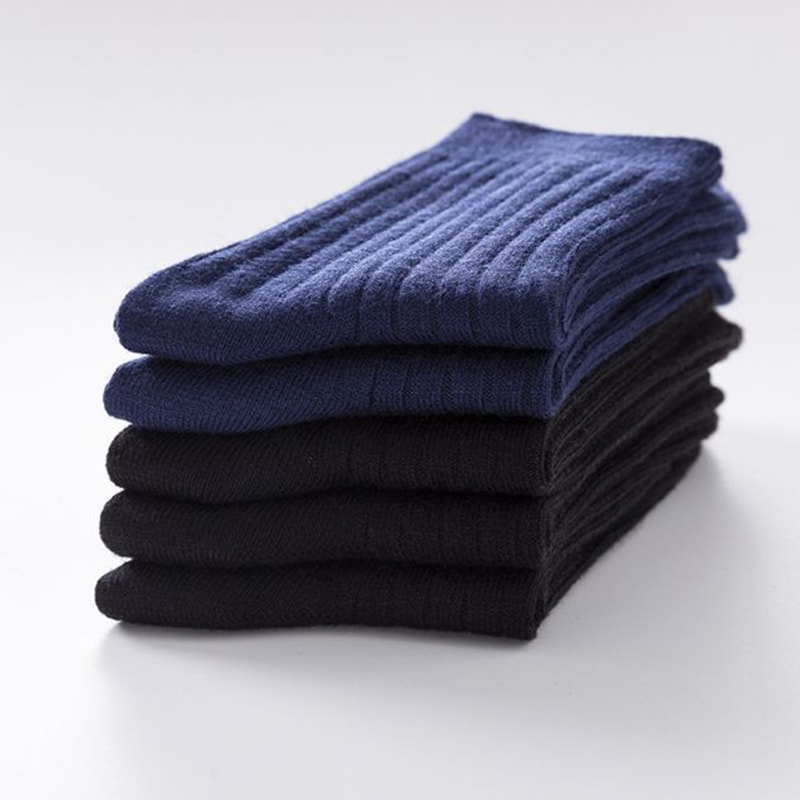
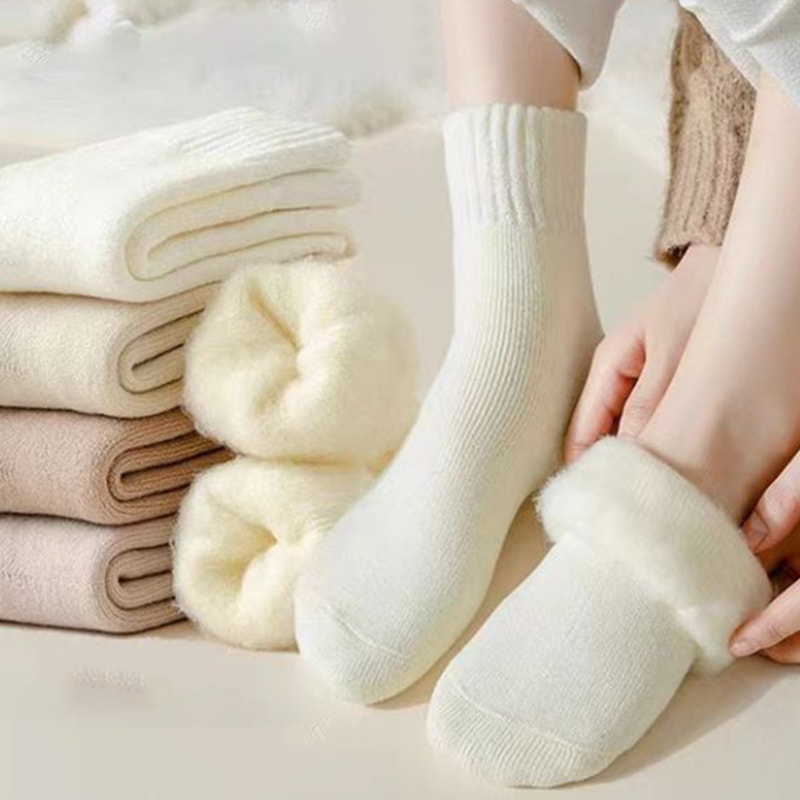
Merino wool is the safest recommendation for an all-round warm sock. Its fibers are much finer than ordinary wool, so it sits close to the skin without itching and can absorb up to thirty percent of its own weight in moisture without feeling wet. A merino sock also releases heat when you step indoors, which prevents the overheated-then-cold cycle. For hiking, commuting, and long drives, this material does the job quietly. If you want to feel the difference directly, an autumn and winter men's mid-length woolen socks made with a wool-rich blend is a good first pair.
Alpaca is the overachiever of natural fibers. Its hollow fibers create extra insulating chambers, and the material is lighter than sheep's wool at the same thickness. For extreme conditions, like standing on frozen ground all day or sitting still outdoors, alpaca keeps feet warmer than merino. The trade-off is price and availability. Alpaca socks are costly and often blended with nylon for strength. If you find a pair with more than seventy percent alpaca content, it is the warmest option on the market.
Cashmere and Brushed Fleece
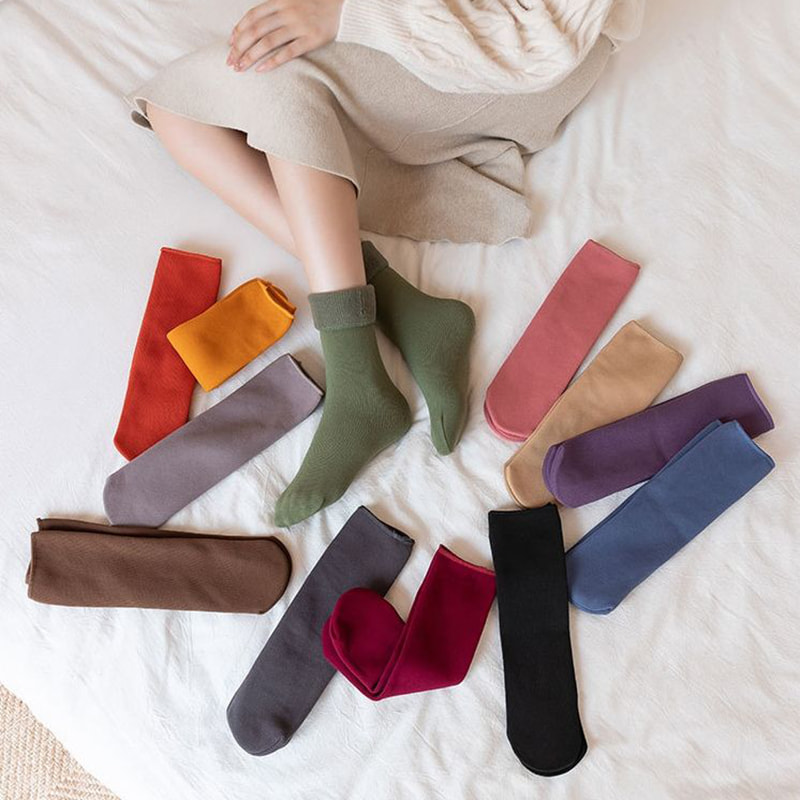
Cashmere feels luxurious, but it is not the warmest material per unit of thickness. It traps air well and feels wonderful against the skin, yet pure cashmere socks wear out quickly. That is why most warm winter socks use brushed fleece or imitation cashmere, which create softness and loft at a lower price. These socks are ideal for relaxing at home, sleeping, or walking on cold floors. For example, men's and women's thick velvet anti-slip warm floor socks combine a plush inner surface with a non-slip sole for practical indoor use.
Ordinary sheep's wool is the original winter sock material. It is warm, durable, and cheap compared with merino, but the thicker fibers irritate some wearers. If your skin tolerates wool, a high-percentage standard wool sock will beat a cheap synthetic sock by a wide margin. Look for at least seventy percent wool and a brushed inner surface, which improves first-wear comfort.
Thermal Acrylic and Synthetic Blends
Thermal acrylic is the material behind most affordable winter socks. It mimics the fluffy feel of wool and dries quickly, keeping production costs low. The catch is that acrylic does not absorb and release moisture like wool, so feet overheat and then chill as sweat evaporates. Polyester fleece-lined socks behave the same way. They are soft and warm at first, but not breathable on long walks. Use these for short errands or indoor warmth, and keep wool for days spent outdoors.
Figure 3. Moisture held after one hour of walking. Lower is better.
The moisture chart compares how much perspiration each material holds after one hour of walking, and a lower bar means drier feet and better warmth. Cotton holds 78 percent, which is the clearest reason to avoid it in winter. Thermal acrylic holds 46 percent, better than cotton but still enough to chill your feet during a break. Standard wool drops to 34 percent and alpaca to 26 percent, because natural fibers push moisture to the outer surface. Merino holds only 18 percent, the lowest of the group. The materials that keep feet dry are the same ones that keep them warm, and merino leads on both.
How to Choose the Right Warm Sock for Your Day
A warmth rating alone does not tell you which sock to buy, because your routine changes the requirement. A man who stands at a market stall all day needs a different sock from a man who runs between meetings and trains. The radar chart below shows the trade-offs across six practical criteria.
Figure 4. All-around comparison of the three main sock material groups.
The radar chart compares merino wool, thermal acrylic, and cotton across six factors that matter in a winter sock. Merino fills out the most balanced shape, leading in warmth, moisture control, and softness while staying solid on breathability. Thermal acrylic competes on value and durability, which explains its presence in budget packs, but its warmth and moisture scores are visibly lower. Cotton shows a collapsed top half. Its value is decent, but the two most important winter properties are weak. The chart highlights the central trade-off. Durability and price pull in one direction, warmth and moisture control pull in the other. For most men, the balanced merino profile offers the least compromise across a whole season.
Consider these selections based on your main activity:
Everyday commuting: a mid-weight merino or wool blend that breathes indoors.
Budget layering: thin merino liners under thermal acrylic socks, so cotton never touches your skin.
Home lounging and sleeping: brushed fleece or imitation cashmere socks for soft insulation on cold floors.
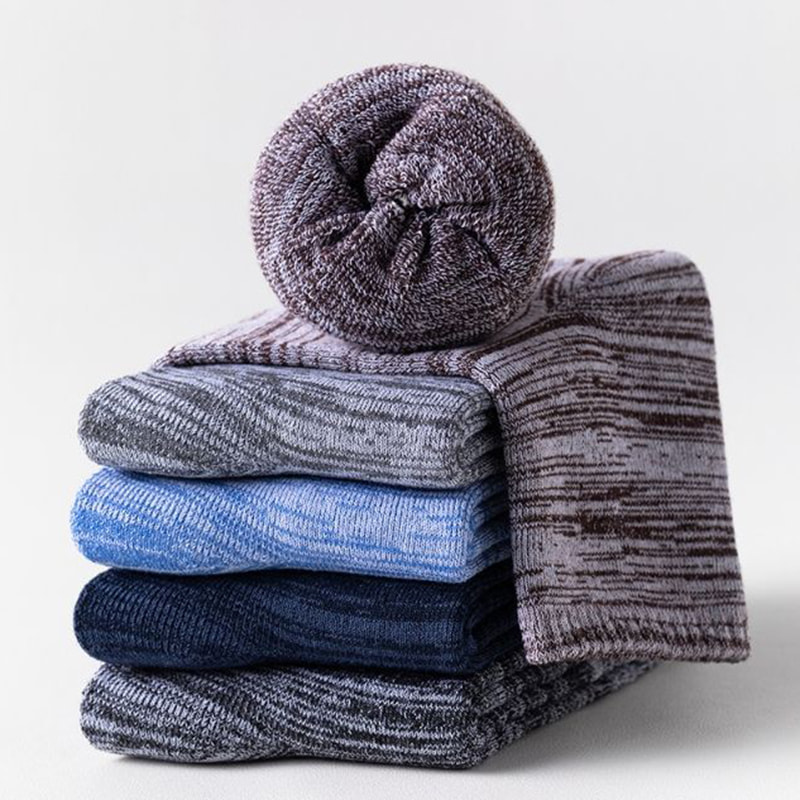
Construction matters as much as material. A dense terry loop inside traps extra air and adds cushioning. For very cold days, a thickened warm and heat storage looped sock gives you the loft of a boot sock without extra bulk. A taller cuff, crew or mid-calf, also keeps more warmth around the ankle. You can compare real options across wool, blends, and fleece in the men's sock collection at BoLong Socks.
The warmest men's sock material is not a mystery. It comes from animals adapted to cold climates. Merino wool is the most practical choice for most men because it balances warmth, moisture control, comfort, and accessibility. Alpaca takes the top spot for extreme cold, fleece blends win for lounging, and thermal acrylic is acceptable for short trips. Cotton belongs in warm-weather drawers, not winter boots. Start with a high-quality merino or wool-rich pair, and you will understand why warm feet change the way you experience winter.
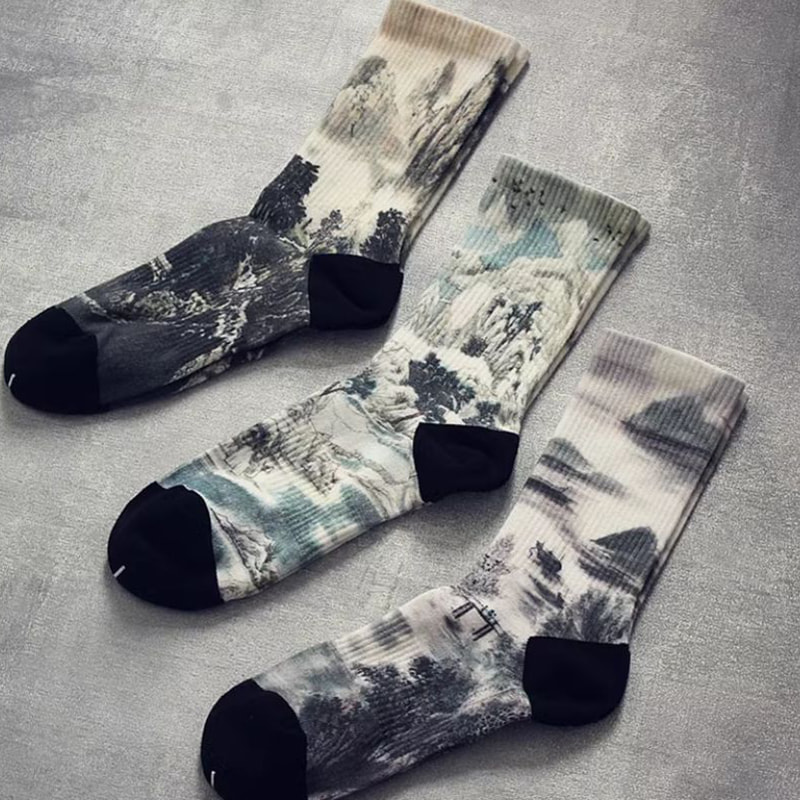
By combining traditional Chinese elements with modern trends and showcasing a strong Chinese style through unique designs, this design style not only meets the personalized needs of young people today but also adds a unique cultural charm to daily wear. Advanced 3D printing technology is used to make the patterns and textures on the socks more three-dimensional and vivid. This technology not only improves the precision and clarity of the patterns but also makes the socks more recognizable and fashionable. As mid-length socks, their length is moderate, which can protect the ankles from the cold invasion of spring and autumn seasons, and will not be too hot and humid. At the same time, the weather changes in spring and autumn seasons are varied, and this sock can adapt well to these changes, providing a comfortable wearing experience for the feet. The printed on the socks The patterns are rich and diverse, It can be traditional Chinese patterns such as mountains and waters, flowers and birds, dragons and phoenixes, or creative patterns that combine modern trendy elements.
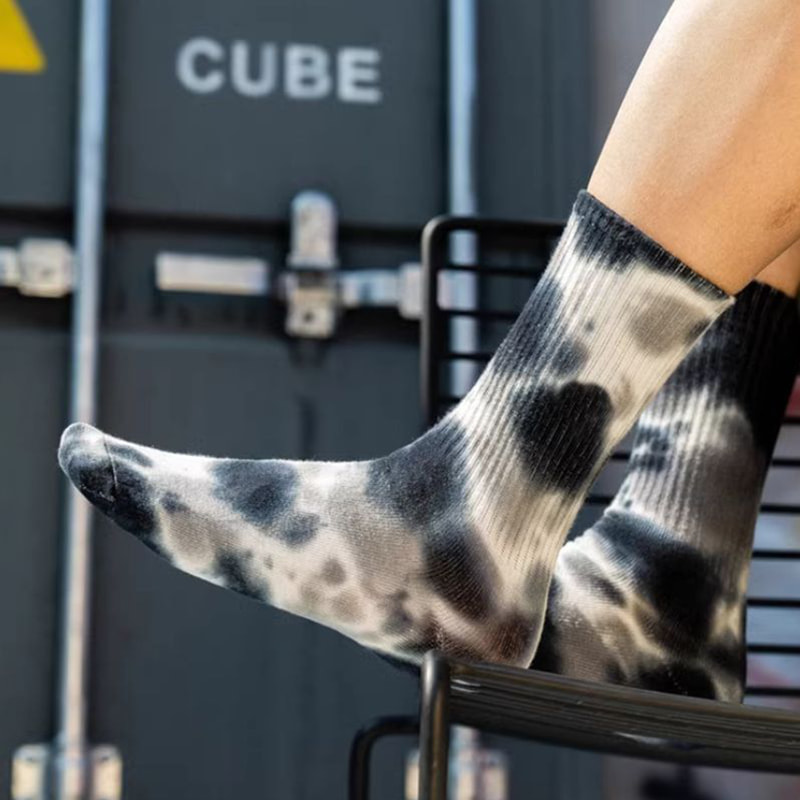
American tie dye is a unique dyeing process that uses specific tying and dyeing techniques to create a rich and colorful pattern and color gradient effect on socks, increasing the fashion sense and personalization of the product, Designed with a mid-length, it is suitable for sports wear such as basketball, providing sufficient wrapping and protecting the ankle from sprains and other injuries. The bottom is designed with a thick towel, which has moisture-wicking performance and can quickly absorb sweat from the feet, keeping them dry and comfortable, and reducing sliding and friction during exercise. The sock body may have a looped design to increase the thickness and warmth of the socks, while improving the comfort and softness of wearing. Made of pure cotton material, pure cotton has good breathability and skin friendliness, reducing foot odor and bacterial growth, and maintaining foot health. The product may incorporate popular INS style elements, such as color matching and pattern design, to make it more in line with the aesthetic needs of young consumers.
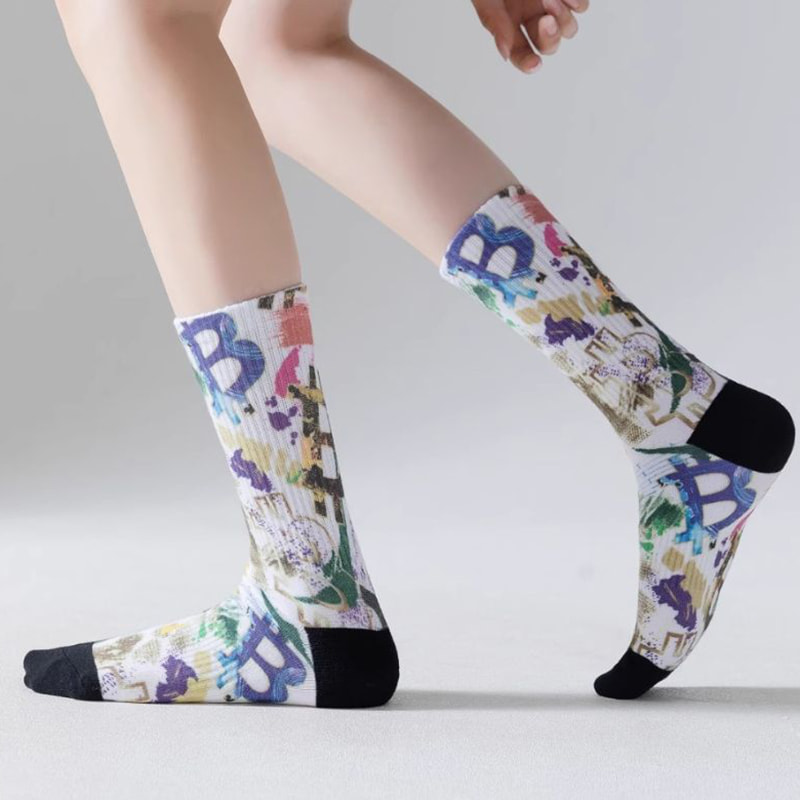
Adopting advanced 3D printing technology, the patterns present a strong sense of three-dimensionality and layering, making the socks more fashionable and unique. The patterns are bright and durable, not easy to fade, and maintain the appearance of the socks as new for a long time. There are rich pattern choices, including European and American street styles, sports elements, graffiti art, etc., to meet the personalized needs of different consumers. High-quality cotton materials are selected, with a soft touch and skin-friendly comfort. The cotton material has good breathability, keeping the feet dry, reducing bacterial growth, quickly absorbing and discharging foot moisture, keeping the feet dry and comfortable, suitable for wearing in spring and summer seasons. The socks have good elasticity, can closely fit different foot shapes, and reduce friction and discomfort during exercise.
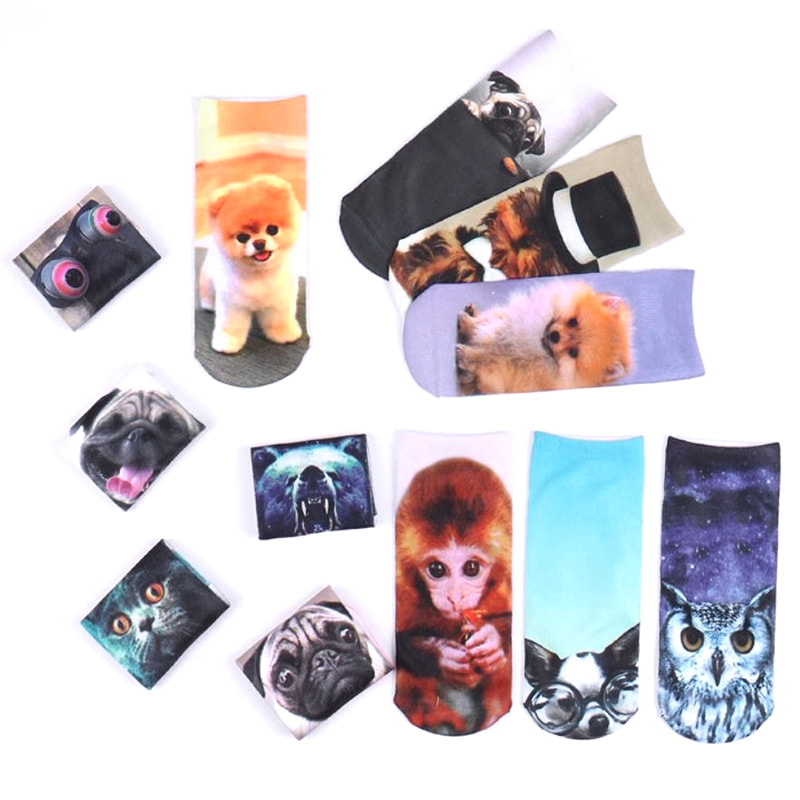
3D socks, belonging to the category of short socks, integrate European and American traditional styles with printing elements. Through 3D printing technology, unique patterns and designs are presented on the socks, making them more fashionable and personalized. The European and American traditional style usually emphasizes freedom, individuality, and avant-garde expression, with bright colors, unique patterns, and diverse printing patterns, which may include cartoons, anime, letters, numbers, geometric shapes, etc.
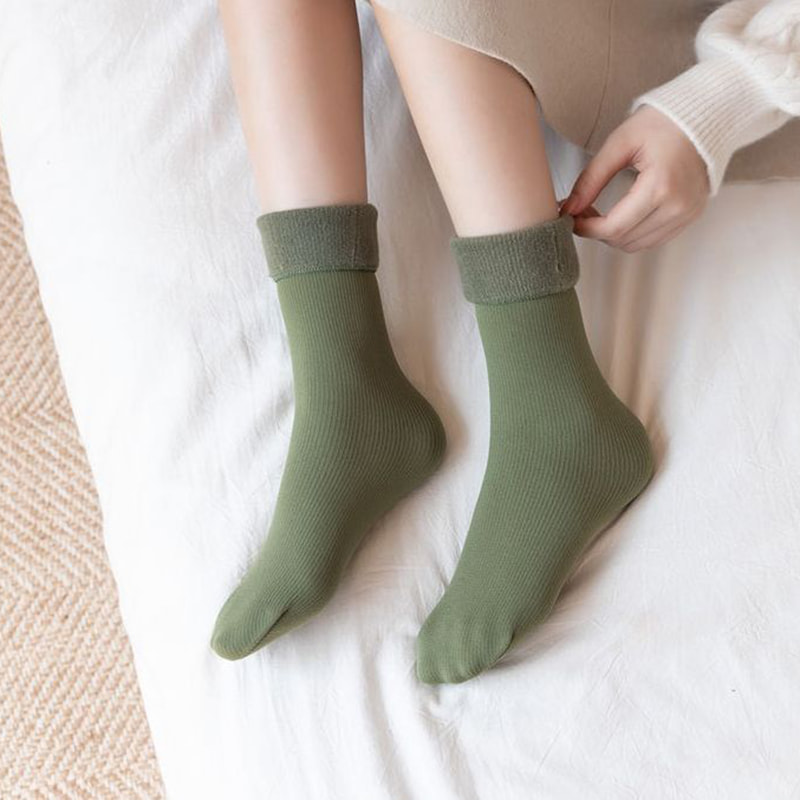
Using imitation cashmere material, this material has a soft touch like cashmere and insulation performance. The imitation cashmere fiber is delicate and can effectively lock in air, forming an insulation layer that provides long-lasting warmth for the feet. The inner layer is thickened with cashmere to ensure that even in cold weather, it can provide sufficient warmth to the feet. This design not only enhances the insulation effect but also increases the comfort of wearing, Considering that the ground may be slippery during autumn and winter seasons, the product pays special attention to anti-slip performance. By using special anti-slip materials and processing techniques, it ensures greater stability and safety when walking. The fabric of the product is wear-resistant and durable, not easy to pill or fade, and can maintain good appearance and performance even after long-term wearing and washing. It is made of highly elastic materials that can fit different foot and leg shapes without any tightness or creases when worn.
The use of a plush and thickened design can effectively isolate cold air and provide lasting warmth for the feet. The thickened plush layer not only increases warmth but also enhances wearing comfort. The surface of the socks is made of brushed loop material, which has good warmth and skin-friendliness. The brushed loop can lock in more air, form a thermal insulation layer, and reduce heat loss. The length design of the middle tube is both warm and fashionable, covering the calf area and effectively preventing cold wind invasion. At the same time, it is also convenient to pair with various autumn and winter shoe styles, such as boots, sports shoes, etc. The product also has the function of floor socks and towel socks, suitable for wearing in home environments. The soft material and comfortable touch allow the wearer to enjoy warmth and comfort at home. Special processing is used to ensure that the socks are not easily shed hair during wearing and washing, reducing inconvenience and cleaning problems caused by shedding hair.
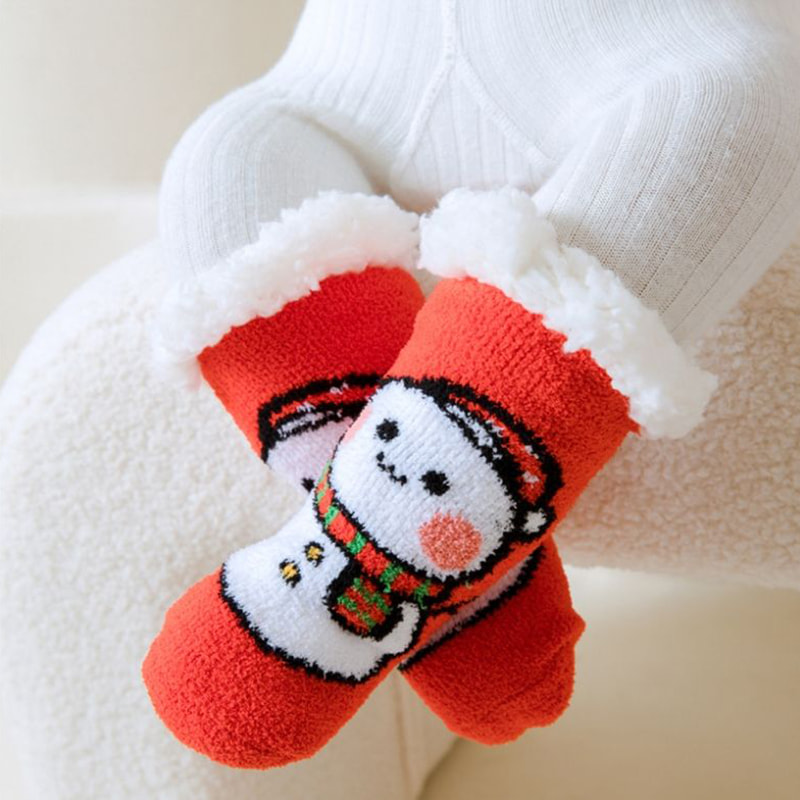
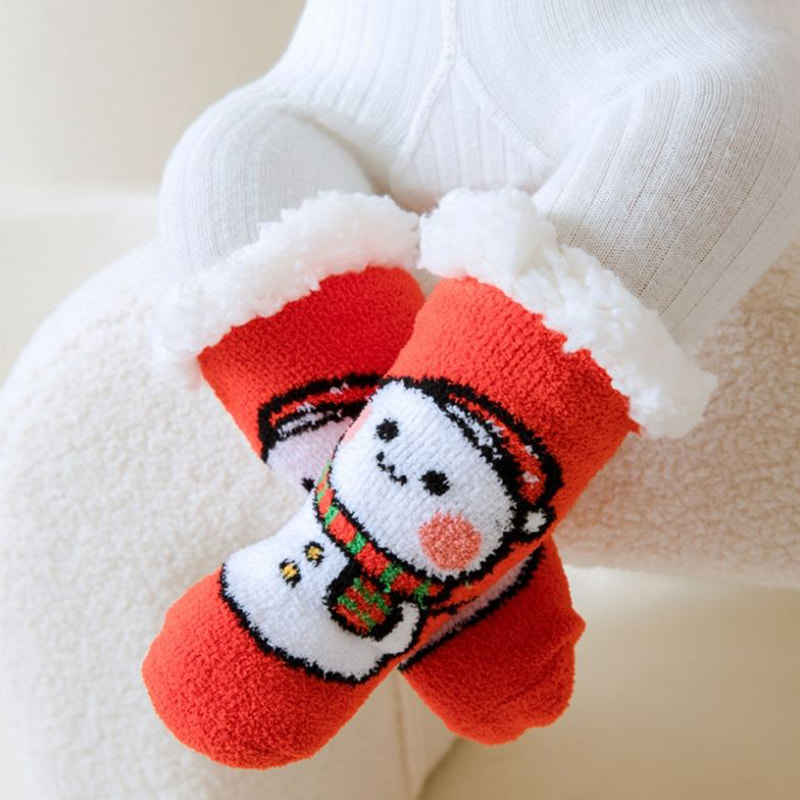
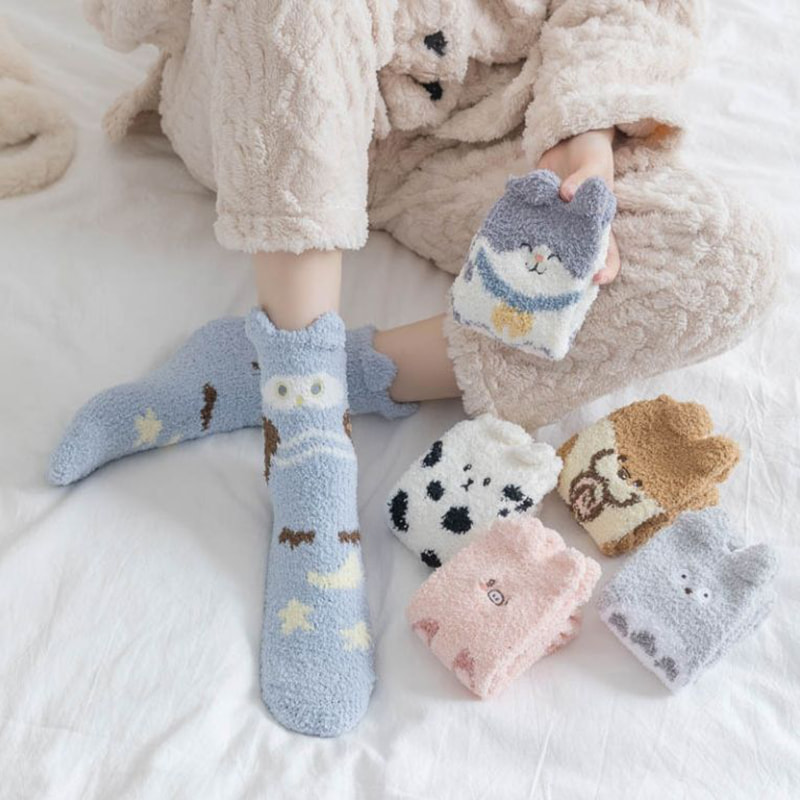
The product mainly uses coral fleece material, which is a soft, warm and skin-friendly fabric that is very suitable for babies' delicate skin. In addition, some products may also combine materials such as lamb fleece to further enhance the warmth effect. Coral fleece and lamb fleece both have good insulation performance, which can effectively lock in temperature and provide warm care for babies' feet, especially suitable for wearing in cold winter. The product incorporates rich cartoon patterns, such as Christmas-themed patterns, animal patterns, etc. These patterns are not only cute and interesting but also stimulate babies' imagination and interest.
The socks are mainly made of coral fleece or lamb fleece materials, both of which have insulation performance and are soft and skin-friendly, providing babies with a warm and comfortable wearing experience. Some products may use blended materials, such as polyester fiber (polyester), to increase the durability and breathability of the socks. The socks are printed with various cartoon patterns, such as Christmas elements (such as snowflakes, Santa Claus, reindeer, etc.), animal patterns (such as bears, rabbits, etc.), increasing the fun and cuteness of the socks, suitable for babies' aesthetics. The middle tube design can better protect babies' ankles and calves, and avoid getting cold, and floor socks are also suitable for babies to wear when playing on the floor due to their soft and nonslip material.
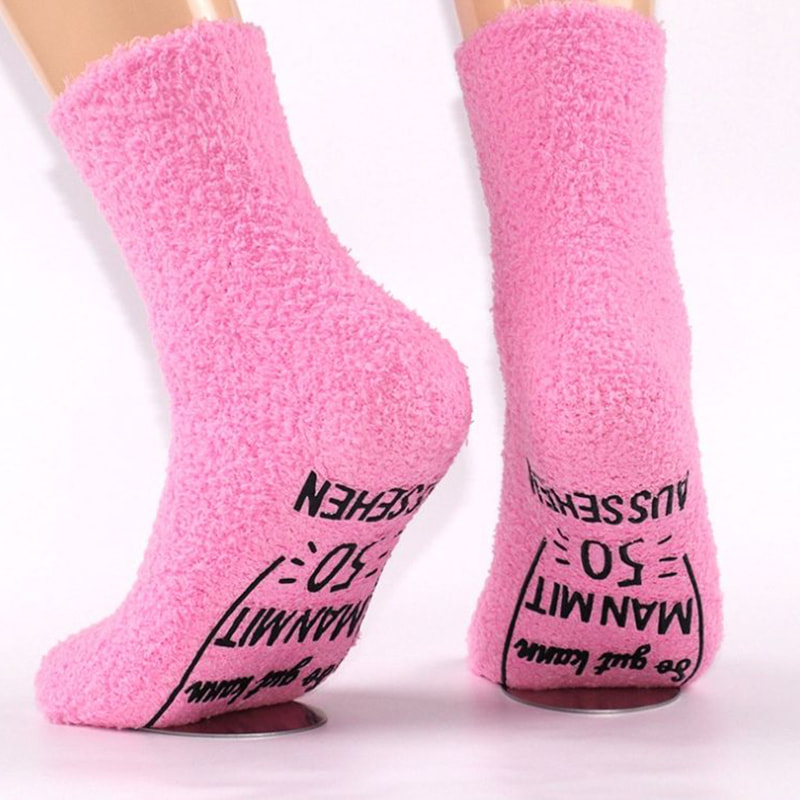
Coral fleece coarse needle adhesive socks adopt an adhesive anti-slip design at the bottom or key parts of the socks, which can increase the friction between the socks and the ground or sole, prevent slipping during walking or movement and are particularly suitable for wearing on smooth surfaces such as homes and floors. Coral fleece has long fibers and thick air layers, which have good insulation and warmth performance, suitable for wearing in cold seasons, and can effectively prevent feet from getting cold. Coral fleece has a soft and delicate texture, and comfortable touch, and can fit the skin, wrap the feet, relieve fatigue, and provide a warm and comfortable wearing experience. Coral fleece has good breathability and moisture absorption, which can absorb excess moisture from the feet and dissipate it through the pores to keep the feet dry. Coral fleece socks also have certain properties. The antibacterial and deodorizing function, Helps reduce bacterial growth and keep feet clean.
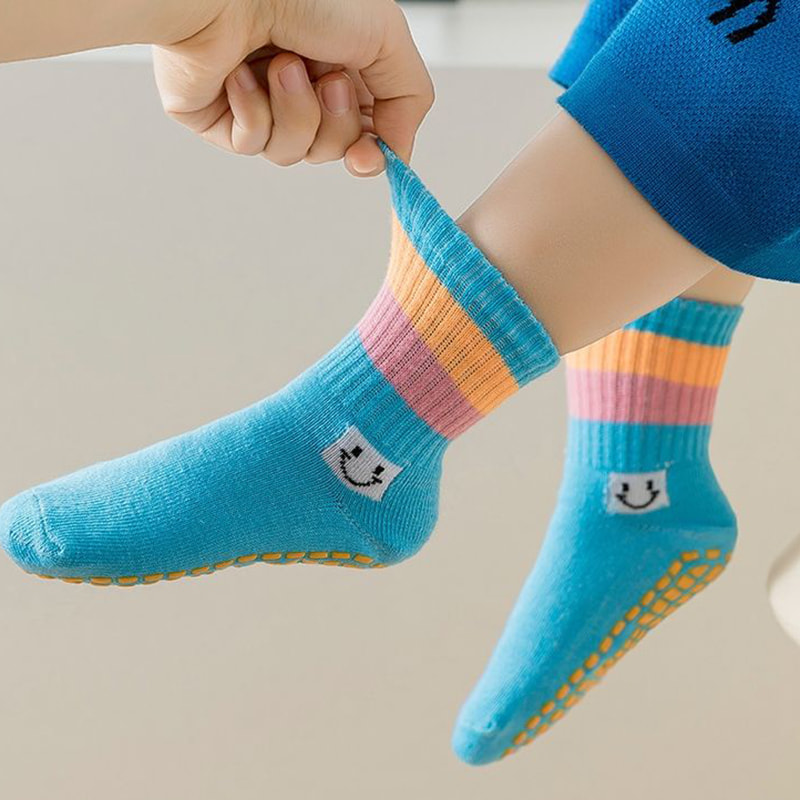
Adopting a special anti-slip design, such as an adhesive anti-slip bottom, increases friction with the ground, effectively preventing children from slipping on trampolines, slides and other equipment. The high-top design can better wrap around children's ankles, provide additional support and protection, reduce the risk of sprains, and use high-quality fabrics with good breathability and moisture absorption to keep feet dry and comfortable, avoiding stuffiness caused by long-term wear. The specially treated fabric has high wear resistance and can withstand frequent friction and pulling during children's activities.
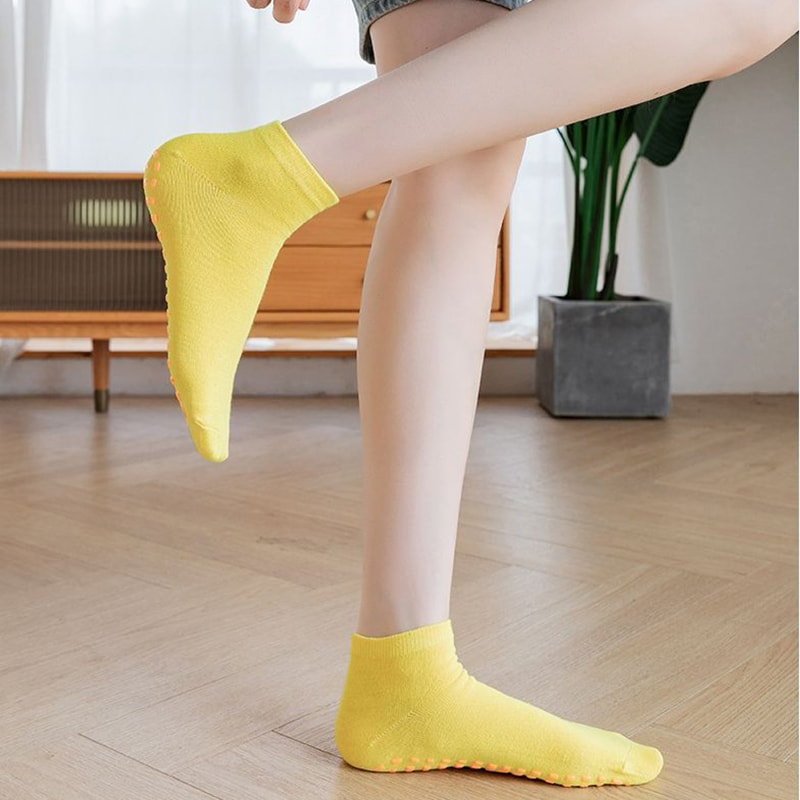
Adult yoga socks usually use special textures or materials, such as dot-shaped anti-slip particles at the bottom, which effectively prevent the practitioner from slipping during movements and protect their safety. The anti-slip particles can be embedded in the yoga mat to provide some resistance and prevent the foot from shifting under weight pressure, Yoga socks are often made of absorbent and quick-drying materials, such as soft cotton, bamboo fiber, etc., which can quickly absorb sweat from the feet, keep them dry, and have good moisture absorption and sweat-wicking performance, helping to reduce discomfort caused by wet feet and improve the exercise experience.
High-quality coral fleece material is used, which has good insulation performance and can effectively prevent feet from getting cold. The thickened design further enhances the insulation effect of the socks, even in the cold autumn and winter seasons, providing enough warmth for your feet. The coral fleece material is soft and delicate, comfortable to the touch, and will not cause irritation to the skin. It will not feel uncomfortable when worn for a long time. It has good elasticity and can fit different foot types, making it more comfortable and comfortable to wear. Coral fleece material usually has good wear resistance and is not easy to pill or deform, so this sock is relatively durable.



 English
 中文简体
中文简体 Español