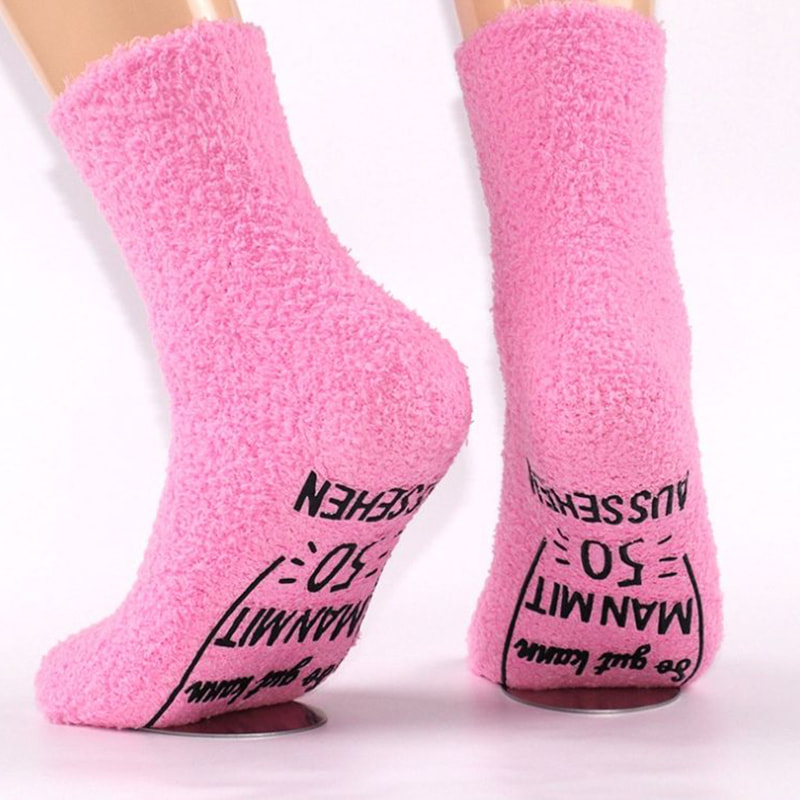
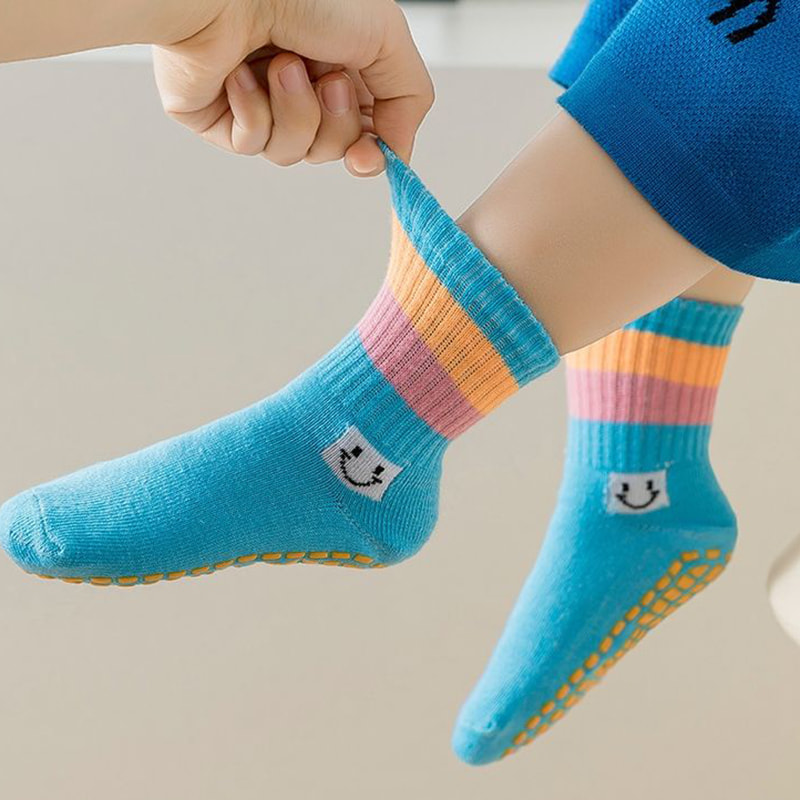
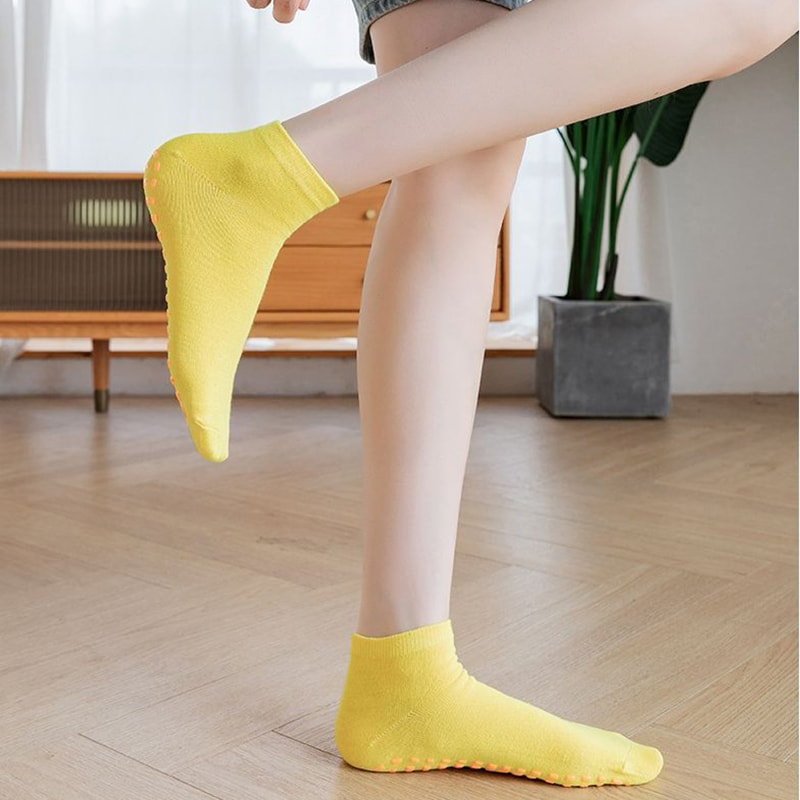
Choosing the right men's short socks comes down to four core factors: material, sock height, cushioning level, and intended use. For everyday wear, a cotton-dominant blend (at least 60% cotton) provides the best balance of comfort and breathability. For sports and high-activity use, a moisture-wicking synthetic or blended construction is preferable. Getting these four factors right means your feet stay comfortable, dry, and blister-free throughout the day—regardless of whether you're in the office, at the gym, or outdoors.
The sections below break down each decision point with specific guidance and comparisons to help you identify exactly what to look for when buying men's short socks.
Understanding Short Sock Heights and When to Use Each
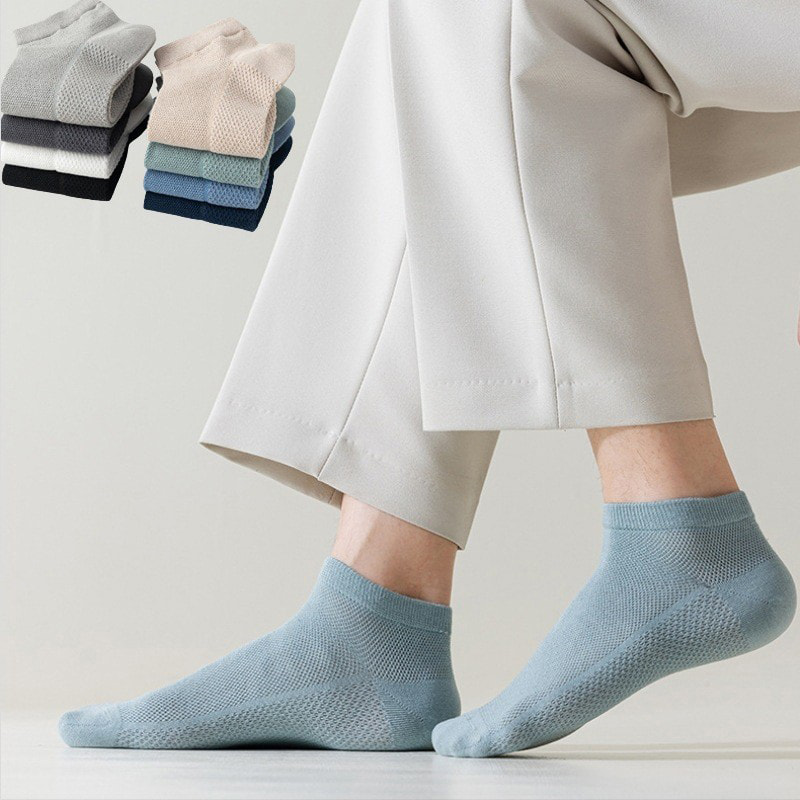
Men's short socks are not all cut to the same height. The term "short socks" covers several distinct lengths, each suited to different footwear styles and occasions. Choosing the wrong height is one of the most common fitting mistakes.
No-Show / Invisible Socks
These sit entirely below the ankle bone and are designed to be invisible when wearing low-cut sneakers, loafers, or boat shoes. They typically feature a silicone grip strip at the heel to prevent slipping down into the shoe. Best suited for casual, fashion-forward looks where a sockless appearance is desired without sacrificing hygiene or comfort.
Ankle Socks
The cuff sits just at or slightly above the ankle bone—typically 6 to 8 cm from the heel. This is the most versatile short sock length, compatible with trainers, casual shoes, and most athletic footwear. Ankle socks are the default choice for gym use, running, and everyday casual wear.
Quarter Socks
The cuff reaches approximately 5 to 8 cm above the ankle bone, providing additional coverage and protection against rubbing from higher-collared footwear such as hiking shoes, trail runners, and court sports shoes. Quarter socks are particularly useful for activities involving lateral movement where the shoe collar might otherwise cause abrasion.
Choosing the Right Material for Your Needs
Material is the single most important factor in sock comfort and performance. Different fiber types have fundamentally different properties, and the right choice depends on how and where the socks will be worn.
Cotton
Cotton is soft, breathable, and comfortable against the skin, making it ideal for everyday and low-to-moderate activity use. However, cotton absorbs and retains moisture—once wet from sweat or rain, it dries slowly and can cause blisters during prolonged activity. Pure cotton socks are best reserved for office wear, casual daily use, and occasions where foot perspiration is low.
Polyester and Nylon
Synthetic fibers excel at moisture management. Polyester wicks sweat away from the skin and dries 3 to 5 times faster than cotton, making it the preferred base material for athletic socks. Nylon adds tensile strength and abrasion resistance, which extends the life of high-wear areas like the heel and toe. Socks with a high synthetic content are the practical choice for running, gym training, cycling, and any activity involving sustained movement.
Merino Wool
Merino wool is a premium option that manages moisture effectively while also providing natural odor resistance through its inherent antimicrobial properties. Unlike conventional wool, merino fibers are fine enough—typically under 20 microns in diameter—that they do not itch or irritate the skin. Merino socks perform well across a wide temperature range, keeping feet warm in cool conditions and cool in warm conditions, making them a strong choice for outdoor activities and travel.
Blended Materials
Most quality short socks use blended constructions to combine the strengths of multiple fibers. A common and effective blend for everyday athletic use is 60–70% cotton, 20–30% polyester, and 5–10% elastane. The cotton provides softness and comfort, the polyester improves moisture management and durability, and the elastane ensures the sock holds its shape and maintains a secure fit through repeated washing.
Comparison of common sock materials by key performance properties
| Material |
Breathability |
Moisture Wicking |
Drying Speed |
Durability |
Best For |
| Cotton |
Good |
Low |
Slow |
Moderate |
Everyday / casual |
| Polyester |
Moderate |
Excellent |
Fast |
High |
Sports / gym |
| Nylon |
Moderate |
Good |
Fast |
Very High |
High-wear activities |
| Merino Wool |
Excellent |
Good |
Moderate |
Moderate |
Outdoor / travel |
| Blended |
Good–Excellent |
Good–Excellent |
Moderate–Fast |
High |
Versatile use |
Matching Socks to Activity and Occasion
A single sock type rarely serves all purposes optimally. The most practical approach is to have two or three types of short socks for different use cases rather than relying on one style for everything.
Running and Cardio Training
Running generates significant foot perspiration and places repetitive friction stress on the heel and forefoot. Prioritize socks with targeted cushioning zones in the heel and ball of the foot, reinforced toe seams (or seamless toe construction), and a high-wicking synthetic content. Arch compression bands that wrap around the midfoot help stabilize the sock during movement and reduce internal slippage that contributes to blisters.
Gym and Weightlifting
Gym sessions typically involve a mix of standing, lifting, and machine-based exercises on stable, flat surfaces. A medium-cushion ankle sock with good arch support and a secure cuff that stays in place during squats and deadlifts works well. Moisture management is still important, but the demands on cushioning and grip are lower than for running.
Everyday Casual and Office Wear
For desk-based work and low-activity daily wear, comfort and appearance take priority over technical performance. Cotton or cotton-dominant blended ankle or no-show socks provide adequate comfort. For loafer or dress shoe combinations, no-show socks with a reliable heel grip prevent the sock from working loose throughout the day—a common frustration with poorly designed invisible sock constructions.
Outdoor and Hiking (Short Distances)
For light hiking and trail use with low-cut trail runners, quarter-height socks in a merino blend or synthetic construction provide the right combination of protection, moisture management, and durability. Look for socks with reinforced heel and toe zones and moderate-to-heavy cushioning underfoot to buffer impact on uneven terrain.
Getting the Right Fit: Size, Elasticity, and Cuff Design
A well-fitting sock should feel snug but not constrictive, with no excess fabric bunching at the toe or heel. Poor fit is a primary cause of blisters, discomfort, and premature sock wear.
Sizing
Men's socks are typically sized by shoe size range rather than a single size. Common size groupings include:
- Small: shoe sizes EU 39–42 / US 6–8
- Medium: shoe sizes EU 42–45 / US 8.5–11
- Large: shoe sizes EU 45–48 / US 11.5–14
Wearing socks sized below your shoe size results in a sock that is stretched too tightly, restricting circulation and accelerating fabric wear. Wearing socks sized above your range produces loose, bunching fabric that causes friction and blisters.
Elastane Content and Shape Retention
An elastane (spandex/Lycra) content of 3% to 8% is sufficient to maintain the sock's shape, keep the cuff from sagging, and ensure the sock returns to its original dimensions after washing. Socks with no elastane content tend to lose their shape quickly and develop a loose, ill-fitting feel within a few washes.
Cuff Tension
The cuff of a short sock should hold its position without leaving a visible compression ring on the skin after removal. If the elastic cuff leaves a deep indentation that takes more than 15 minutes to fade, the cuff tension is too high and may restrict circulation during prolonged wear. For men with wider calves, look for socks marketed with wide-band or non-binding cuffs that use a lighter elastic construction.
Cushioning Levels: How Much Padding Do You Actually Need?
Cushioning in socks is created by terry loops—additional loops of fiber woven into the underfoot and sometimes the heel—that add thickness and shock absorption. More cushioning is not always better; it depends on the shoe and activity.
- No cushion / light cushion — Best for dress shoes, loafers, and footwear with a narrow fit where added sock thickness would make the fit too tight. Also suitable for cycling where direct pedal feel is preferred.
- Medium cushion — The most versatile option. Suitable for everyday trainers, gym shoes, and general athletic use. Provides meaningful impact absorption without adding bulk.
- Heavy cushion — Designed for high-impact activities on hard surfaces (basketball, trail running, hiking) or for men who experience foot fatigue or plantar sensitivity. Heavy cushion socks require footwear with sufficient volume to accommodate the added thickness.
Toe Seam Construction and Blister Prevention
The toe seam is frequently overlooked but directly affects comfort, particularly during high-activity use. A traditional sewn toe seam runs across the top of the toe box and can create a ridge that causes irritation and blisters when pressed against the inside of a shoe during repetitive motion.
Two alternatives address this:
- Hand-linked toe seams — The seam is constructed so the join lies flat against the sock rather than forming a raised ridge. This technique is common in higher-quality socks and noticeably reduces toe-area friction.
- Seamless toe construction — The sock is knitted in a way that eliminates the toe seam entirely. This is the most comfortable option for men with sensitive skin or those prone to blisters, and is now available across a wide range of price points.
For running and high-repetition activities, seamless or hand-linked toe socks are strongly recommended over standard sewn seams.
Durability and Value: What to Look for in Long-Lasting Socks
The heel and toe are the two areas where socks wear through first. Construction details in these zones significantly affect how long a pair of socks lasts in regular use.
- Reinforced heel and toe panels — Additional layers of nylon or polyester woven into the heel cup and toe box increase abrasion resistance in the highest-wear areas. This is one of the most effective durability features available in mass-market socks.
- Higher nylon content — Nylon is significantly more abrasion-resistant than cotton. A sock with 15–25% nylon content will outlast a comparable all-cotton sock under equivalent use conditions.
- Consistent knit density — Thinning and pilling develop faster in socks with inconsistent knit density. Hold the sock up to light before purchasing: even light distribution without thin spots is a basic indicator of knit quality.
- Care instructions — Washing in cold water and air drying rather than tumble drying significantly extends sock life by reducing elastic degradation and fiber breakdown. Socks with elastane content are particularly sensitive to high heat.
A quality pair of men's short socks used for athletic purposes 3 to 4 times per week should last 12 to 18 months with proper care before showing significant wear. Socks that degrade within 3 to 4 months under normal use are a sign of insufficient reinforcement or low nylon content in the construction.
Quick Selection Guide by Use Case
Use the following reference to quickly identify the most suitable short sock specification for your primary intended use:
Recommended men's short sock specifications by primary use case
| Use Case |
Recommended Height |
Preferred Material |
Cushioning Level |
Key Feature |
| Running |
Ankle / Quarter |
Polyester / Nylon blend |
Medium–Heavy |
Seamless toe, arch compression |
| Gym / Weights |
Ankle |
Cotton-polyester blend |
Light–Medium |
Secure cuff, reinforced heel |
| Casual / Office |
No-show / Ankle |
Cotton or cotton blend |
Light |
Heel grip (no-show), comfort knit |
| Outdoor / Trail |
Quarter |
Merino blend / Synthetic |
Medium–Heavy |
Reinforced zones, odor resistance |
| Travel |
Ankle |
Merino wool blend |
Light–Medium |
Odor resistance, temperature regulation |



 English
 中文简体
中文简体 Español