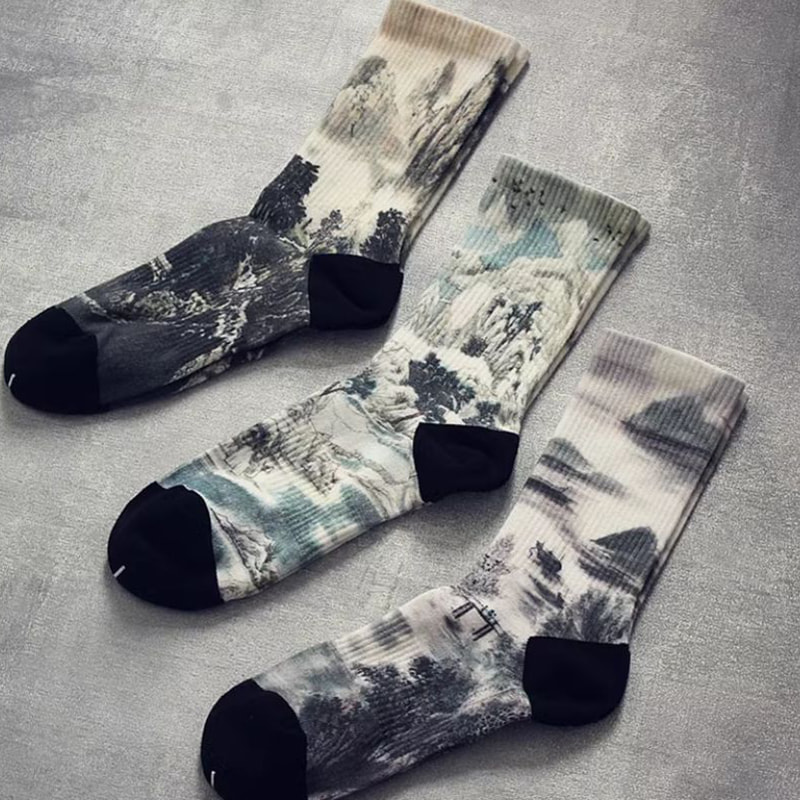
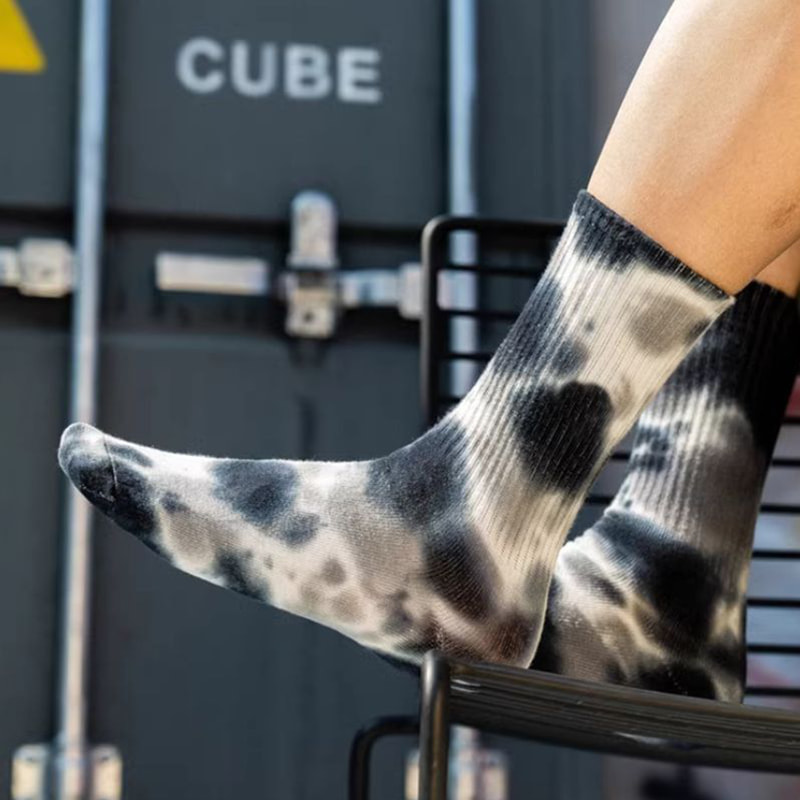
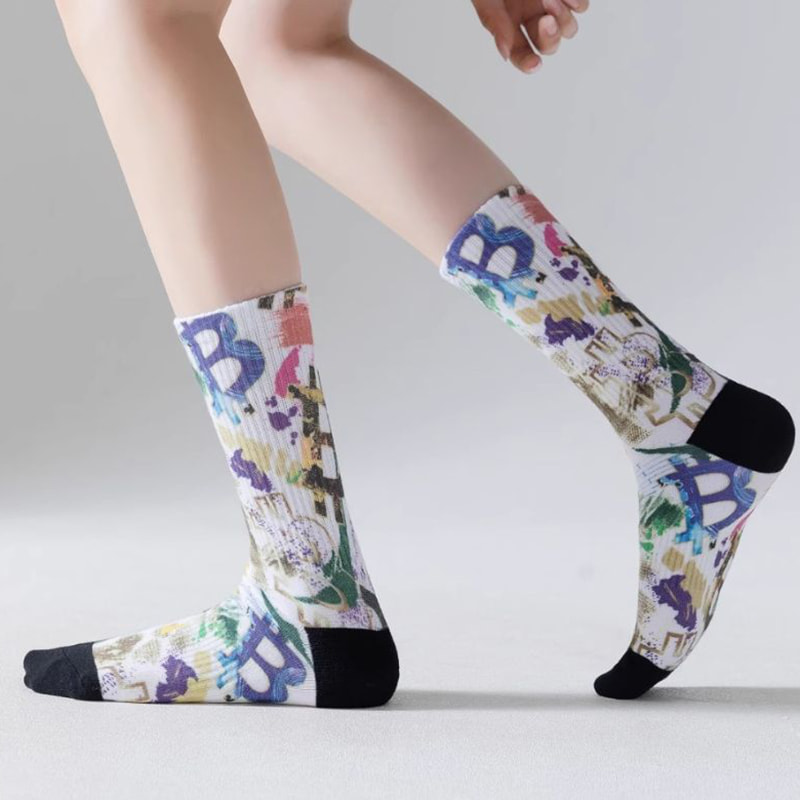
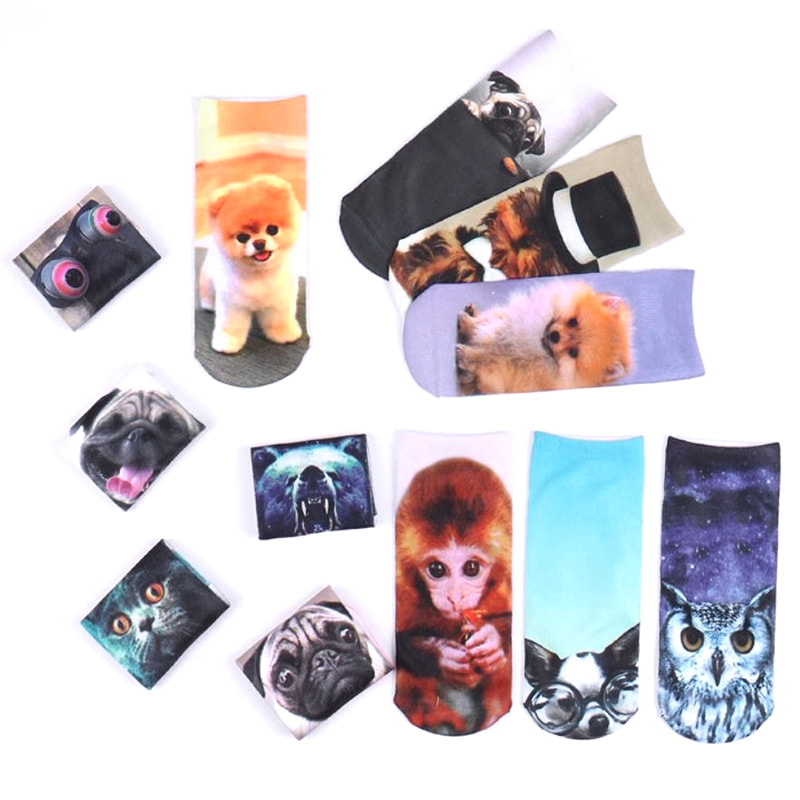
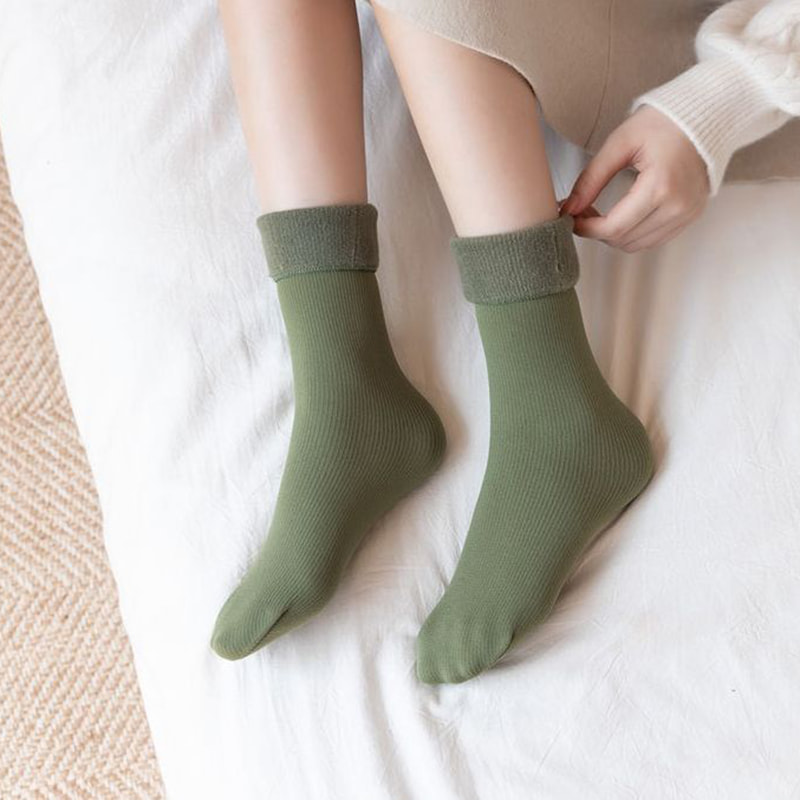
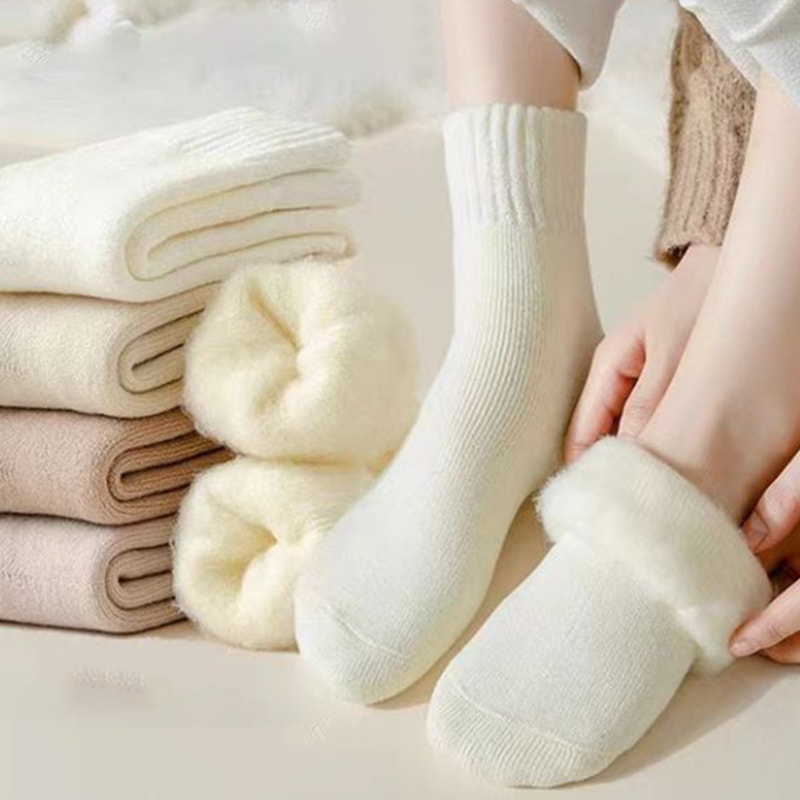
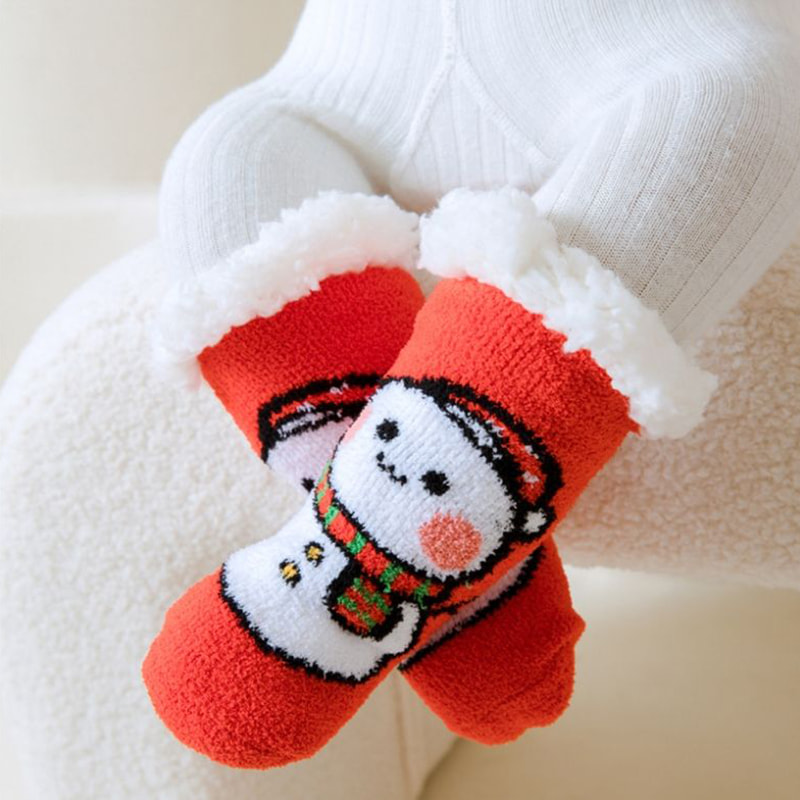
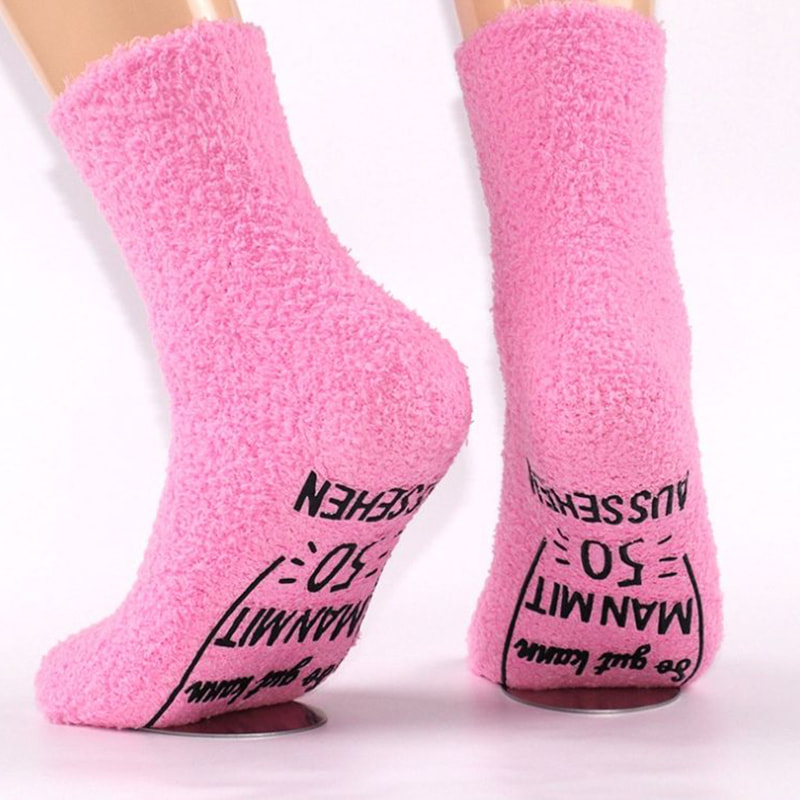
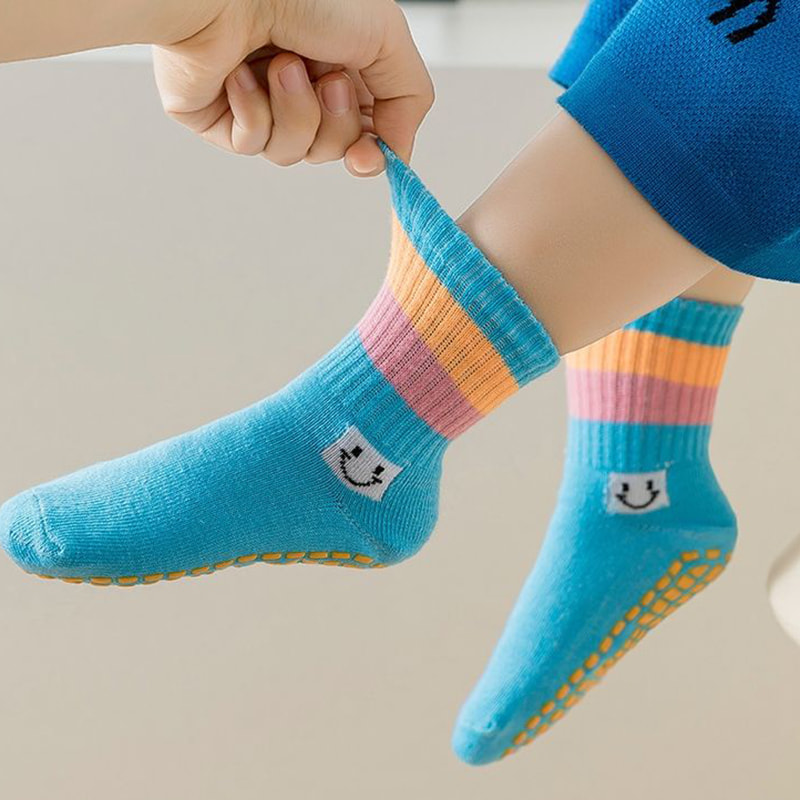
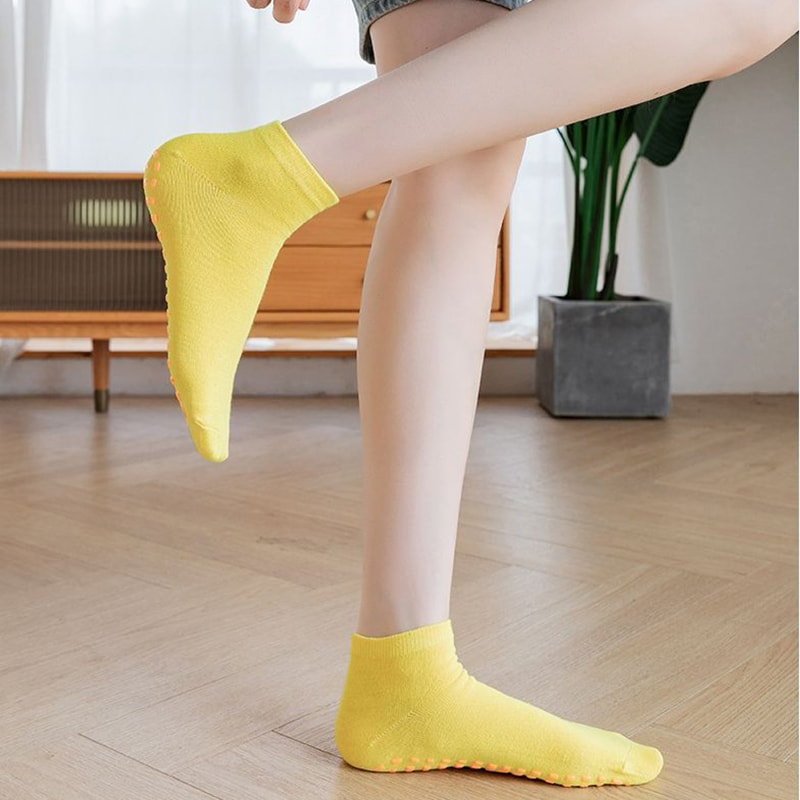
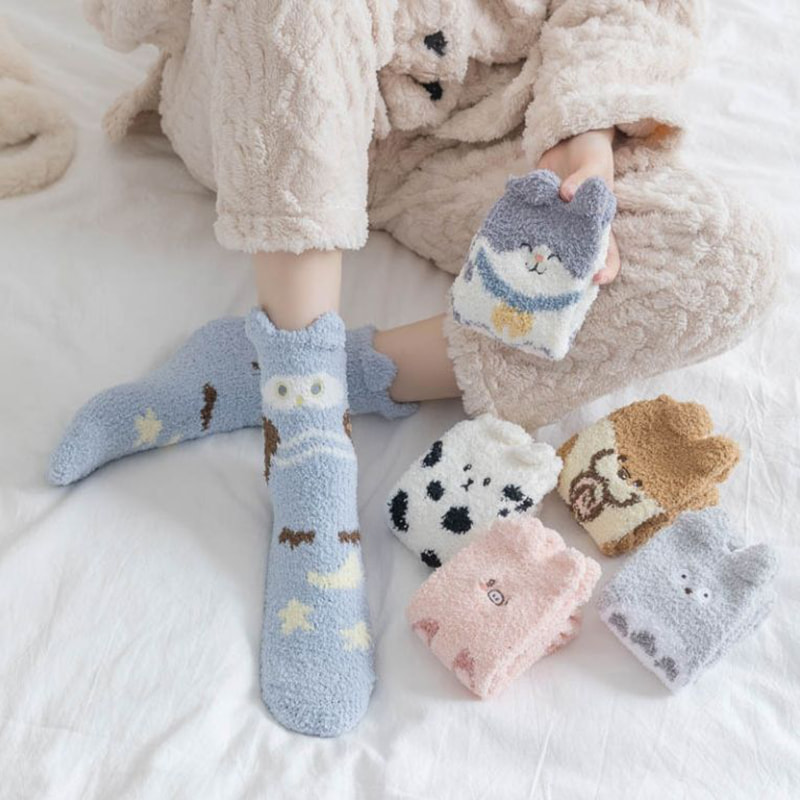
Choosing the right Children's Long Socks/Pantyhose is crucial for ensuring your child's comfort and health. Children’s active day often requires long periods of standing, running, and jumping, so selecting the right long socks or pantyhose not only protects their feet but also ensures comfort throughout the day.
1. Material Selection for Children's Long Socks/Pantyhose
Material is one of the most important factors when choosing Children's Long Socks/Pantyhose. Different materials directly affect the comfort and durability of the socks.
1.1 Cotton Socks
Cotton long socks and pantyhose are popular for their softness and breathability, making them suitable for year-round wear, especially in spring and autumn. Cotton socks can effectively absorb sweat, keeping the feet dry and comfortable for long wear, preventing discomfort from sweat buildup.
Advantages: Good breathability, strong moisture absorption, keeps feet dry. Soft and comfortable, suitable for children's delicate skin.
Disadvantages: Cotton socks are more prone to pilling and deformation, not ideal for frequent friction or vigorous activity.
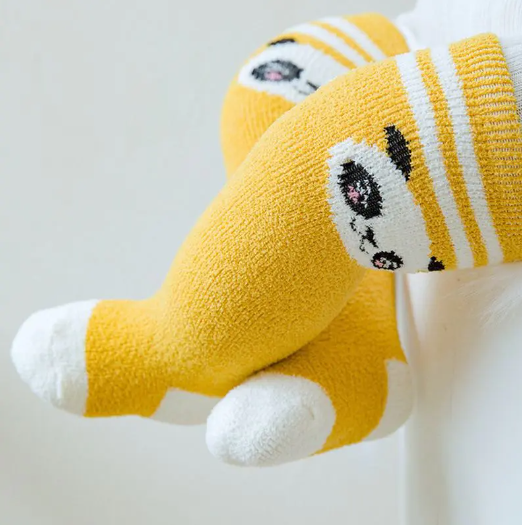
1.2 Wool Socks
Wool long socks are ideal for cold weather as they provide extra warmth and comfort. Wool naturally has thermal insulating and temperature-regulating properties, which help keep feet warm in cold environments while maintaining dryness when it’s warmer.
Advantages: Excellent insulation, ideal for cold winter weather. Naturally antibacterial, reduces foot odor and bacterial growth.
Disadvantages: Wool socks are thicker, making them more suitable for cold seasons and not ideal for warmer climates.
1.3 Synthetic Fiber Socks
Synthetic fiber socks (such as polyester, nylon, etc.) have high elasticity and fit the child's feet effectively, preventing slipping. They tend to be more durable than cotton socks and are more stretch-resistant, making them ideal for children who are frequently active.
Advantages: High strength and durability, suitable for active children. Good moisture absorption and breathability, though not as superior as cotton.
Disadvantages: Synthetic fibers may not be as soft as natural materials, and certain brands may cause discomfort for some children.
2. Sock Size and Fit
The right sock size is key to ensuring comfort. As children's feet grow quickly, selecting the correct size is very important.
2.1 Proper Size
Choosing the right size of socks avoids problems such as socks being too tight or too loose. Tight socks can restrict blood flow to the feet, affecting comfort, while loose socks may slide down, causing instability or friction injuries.
Recommendation: When buying, choose socks based on the child’s foot length and ensure the sock cuff does not squeeze the ankle.
2.2 Elastic Design
Many high-quality children’s socks feature an elastic design that ensures the socks stay snug around the ankle without squeezing, preventing them from slipping off. Choosing socks with appropriate elastic cuffs can enhance comfort and stability during wear.
3. Choosing Based on Season and Activity Type
Different seasons and activity types require different Children's Long Socks/Pantyhose to ensure comfort all day.
3.1 Summer Selection
In summer, choosing lightweight and breathable socks is essential to prevent feet from feeling hot and sweaty. Cotton or lightweight synthetic fiber socks are ideal for keeping the feet dry and preventing overheating.
Recommended Materials: Lightweight cotton, synthetic fibers.
3.2 Winter Selection
For cold weather, wool socks are the best choice as they provide extra warmth and comfort. Additionally, socks with thicker designs can provide more layers of warmth for the child's feet.
Recommended Materials: Wool, thick cotton.
3.3 Sports and Outdoor Activity Selection
For children who participate in sports or outdoor activities, choosing durable socks that support foot movement is important. Synthetic fiber socks and thicker cotton socks are typically more suitable, offering the necessary support and comfort for active use.
Recommended Materials: Synthetic fibers, durable cotton.
4. Comfort and Design Features of Children's Long Socks/Pantyhose
In addition to material and size, the design of the socks is also an important factor in enhancing comfort. Here are several key design features that influence comfort:
| Design Feature |
Characteristics |
Impact on Comfort |
| Seamless Design |
Socks have no obvious seams or pressure points |
Reduces friction on the feet, avoids pressure or pain |
| Smooth Cuffs |
Soft material used for cuffs to prevent tightness around the ankle |
Provides better comfort, avoids discomfort from tight cuffs |
| Thickened Sole |
Added layers of padding on the sole and heel |
Provides extra comfort and support, reduces sole wear |
| Antibacterial Design |
Made with antibacterial fibers or coatings |
Prevents foot odor, keeps feet dry and clean |
Choosing the right Children's Long Socks/Pantyhose to ensure comfort all day requires attention not only to material and size but also to design and functionality. By selecting socks suited to the season and type of activity, you can ensure that your child’s feet remain dry, comfortable, and healthy during prolonged wear. Whether it’s choosing breathable cotton socks or warm wool socks for winter, or selecting durable socks for sports and outdoor activities, making the right choice significantly improves your child’s comfort while reducing foot discomfort and damage.



 English
 中文简体
中文简体 Español