Men's sock sizes are primarily determined by shoe size and actual foot length, with manufacturers using standardized size ranges that account for the natural stretch of knit fabric to accommodate a range of shoe sizes within a single sock size category. Unlike rigid footwear sizing, sock sizing relies heavily on fabric elasticity, meaning a single labeled size often comfortably fits several consecutive shoe sizes rather than requiring an exact numerical match. Textile industry sizing standards commonly referenced in hosiery manufacturing show that a typical men's sock labeled for shoe sizes 9 to 12 relies on 15 to 20 percent fabric stretch to maintain proper fit and compression across that range, which is why understanding stretch ratio matters just as much as the printed size label itself.
How Shoe Size Translates to Sock Size
Most sock manufacturers base their sizing charts directly on shoe size ranges, since foot length and width correlate closely enough with shoe size to serve as a reliable sizing reference for consumers.
Common Men's Sock Size Ranges
- Small or medium sizing typically corresponds to shoe sizes 6 to 8.5
- Large sizing generally covers shoe sizes 9 to 12
- Extra-large sizing usually accommodates shoe sizes 12.5 and above
When shopping for Men's Socks, checking the shoe size range printed on the packaging is generally more reliable than assuming based on a generic small, medium, or large label alone, since these ranges can vary slightly between manufacturers.
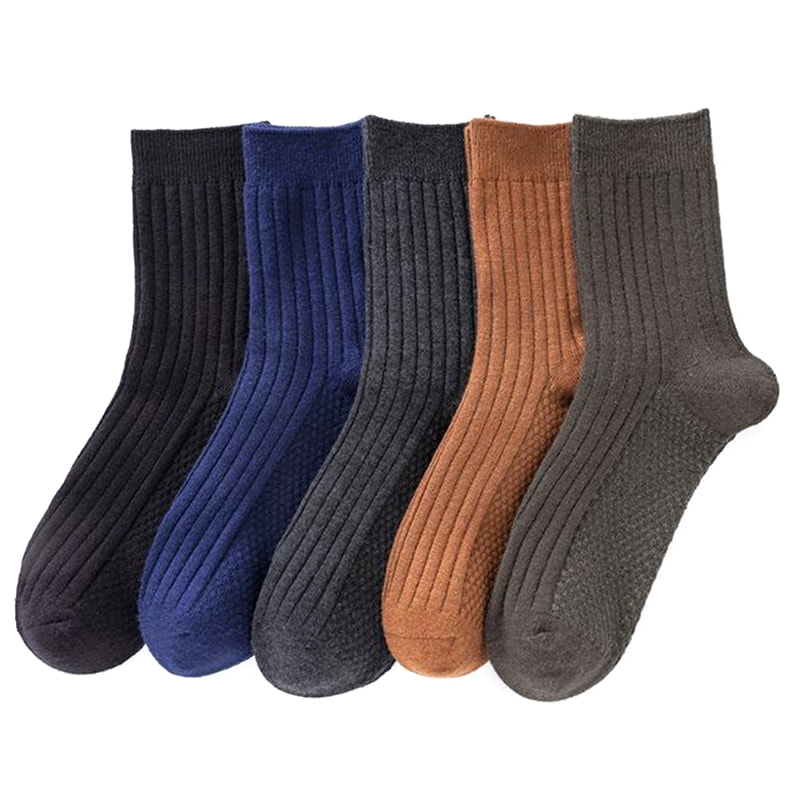
While shoe size accounts for both length and width in footwear fitting, sock sizing relies primarily on foot length as the key measurement, since the fabric's natural stretch typically accommodates reasonable width variation without requiring a separate width measurement.
| Foot Length |
Typical Corresponding Sock Size |
| 24 to 26 cm |
Medium |
| 26 to 29 cm |
Large |
| 29 cm and above |
Extra Large |
Measuring foot length from heel to the tip of the longest toe while standing provides a more precise sizing reference than relying on shoe size alone, particularly for individuals whose foot shape falls between standard shoe size increments.
The Role of Fabric Stretch in Sock Sizing
Sock sizing differs fundamentally from footwear sizing because knit fabric construction allows a single size to comfortably accommodate a range of foot sizes through material elasticity rather than requiring exact dimensional matching.
How Elastic Fibers Affect Fit Range
Socks incorporating elastane or spandex blended with cotton or polyester fibers stretch to conform closely to the foot shape, which is why a properly constructed sock can fit comfortably across several consecutive shoe sizes without feeling loose or overly tight at either end of the range.
Compression Consistency Across Sizes
Well-engineered stretch ratios help maintain consistent compression and support throughout the labeled size range, preventing the sock from feeling excessively tight on smaller feet within the range or too loose on larger feet at the upper end.
Understanding Sock Length Measurements
Beyond foot size, sock length, referring to how far up the leg the sock extends, is a separate sizing consideration that affects both fit and intended use case.
Common Sock Length Categories
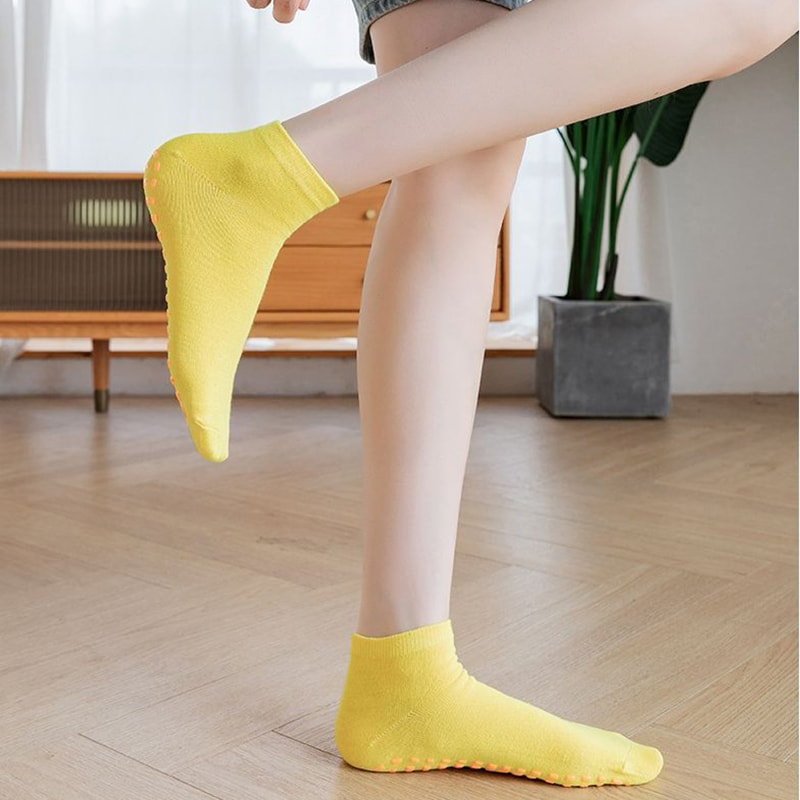
- No-show or ankle length socks, sitting below or at the ankle bone
- Crew length socks, extending to mid-calf, the most common everyday style
- Knee-high or over-the-calf socks, extending well above the calf muscle
Length category is typically independent of the foot size measurement, meaning a consumer needs to consider both foot length for proper toe and heel fit, and desired leg coverage separately when selecting the appropriate sock style.
Sizing Differences Across Sock Materials and Styles
Different sock materials and construction styles can affect how true to size a particular product fits, even when labeled with the same standard size range.
Material-Related Fit Variations
- Thicker athletic or wool socks may fit slightly snugger within shoes due to added material bulk
- Thin dress socks generally offer more consistent sizing across the labeled range due to lower fabric bulk
- Compression socks often use tighter, more targeted sizing charts due to their therapeutic fit requirements
Checking individual product sizing details rather than assuming uniform fit across different Men's Socks styles helps avoid sizing mismatches, particularly when switching between casual, athletic, or dress sock categories.
Common Sizing Mistakes and How to Avoid Them
Even with standardized sizing charts, certain common mistakes can lead to poorly fitting socks, affecting both comfort and the garment's overall durability over repeated wear.
Frequent Sizing Errors
Choosing a size based solely on typical footwear size without checking the specific brand's size chart can lead to fit issues, since sizing conventions vary slightly between manufacturers. Similarly, ignoring sock length category when shopping for a specific use case, such as selecting crew length socks for a dress occasion requiring over-the-calf coverage, is a common oversight that affects overall appearance and comfort.
Why Proper Sock Sizing Affects Comfort and Foot Health
Beyond simple comfort, correctly sized socks play a practical role in foot health, since improperly fitted socks can contribute to blistering, poor circulation, or bunching inside footwear during extended wear.
Effects of Ill-Fitting Socks
Socks that are too small can restrict circulation and create pressure points, while oversized socks are more prone to bunching inside shoes, increasing friction that can lead to blisters during activities involving extended walking or physical exertion.
Athletes and individuals who spend extended periods on their feet should pay particularly close attention to proper sock sizing, since ill-fitting socks can directly contribute to blisters or discomfort during physical activity. Individuals with foot sizes falling near the boundary between standard sizing categories should measure foot length directly rather than relying solely on shoe size, ensuring they select the size range that provides the most consistent, comfortable fit for their specific foot dimensions.



 English
 中文简体
中文简体 Español