A wet playground, one spare pair of socks in the car, and a child with cold feet. The only spare pair belongs to an adult. The sock goes on, the heel sits somewhere near the ankle bone, and the cuff slides down inside the shoe within ten steps. That is the everyday version of the question many parents type into a search box: can children wear men's socks?
Yes, a child can physically wear a men's sock, and in a few situations it works well. For school and sport, an adult sock usually fails on fit rather than on safety. The heel pocket lands in the wrong place, the cuff is too wide or too tight, and the extra fabric changes how the shoe closes. This article explains where the limits are, how to check a pair in half a minute, and what to buy instead.
The Short Answer: Yes, With Conditions
Children can wear men's socks comfortably in three narrow situations. As thick house or sleep socks that never go inside a shoe, where a loose fit is harmless and warmth is the only goal. As a short term emergency pair on a car ride or a quick errand, where the child is not running or playing sport. And when the child's foot has already grown close to the smallest adult sock size, which for most sock labels means a foot length of roughly 23 to 24 centimetres.
Outside those situations the mismatch shows up quickly. A men's sock is drafted around an adult foot of about 24 to 30 centimetres, an adult ankle circumference and an adult calf. On a smaller foot, the heel cup travels up towards the ankle bone, the toe box folds over the toes, and the cuff either drops down or presses into the skin. None of that is dangerous on its own, but it produces rubbing, twisting and socks that end up half off inside a shoe.
- Foot length in centimetres is the number that matters, not the child's age.
- A heel cup in the wrong position is the most common source of discomfort.
- Cuff tension decides whether the sock stays up or leaves a red mark.
- Fabric thickness matters most when the shoe is already snug.
Where Men's Socks Actually Work for Children
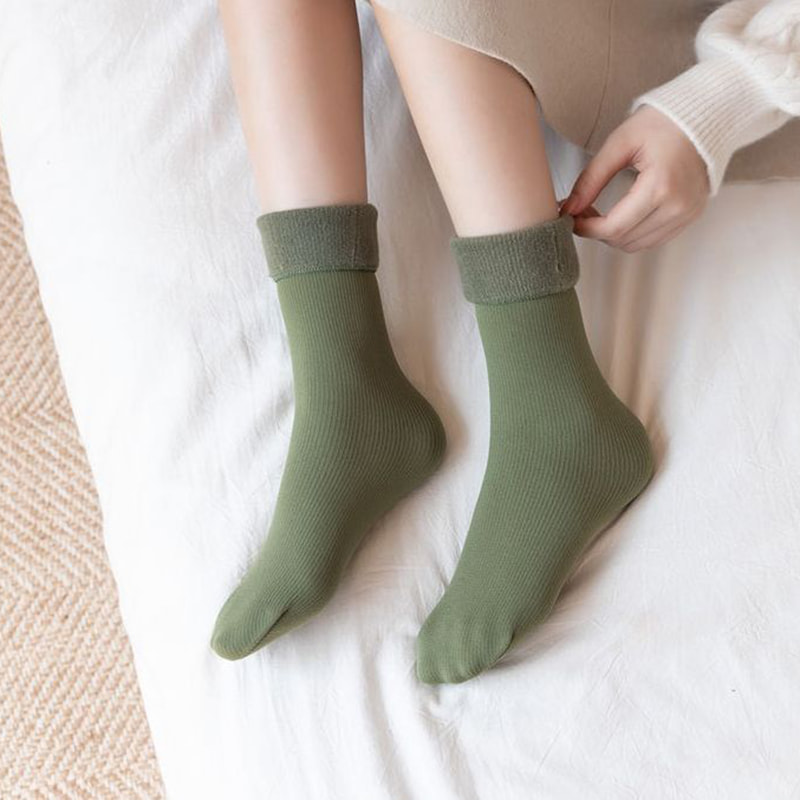
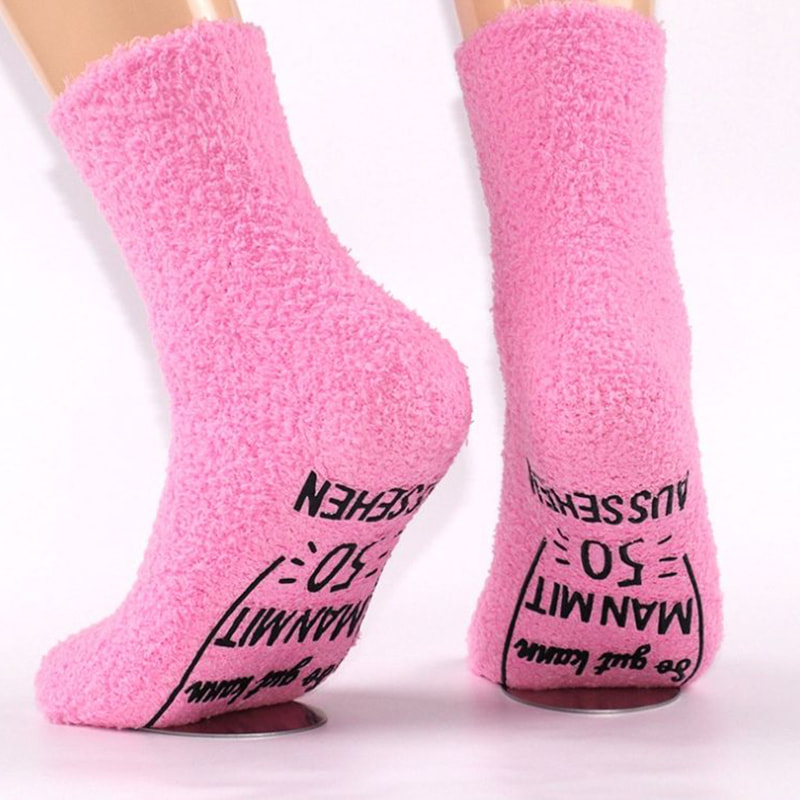
There is a genuine use case for adult socks on children, and parents find it every winter. Warm house socks, bedtime socks and floor socks are worn without shoes, so heel position matters far less. A thick men's terry sock pulled over a child's foot at night stays warm, and if it shifts around a little, nobody notices.
Growth spurts create a second window. A ten or eleven year old whose feet have just jumped two sizes may fit the smallest men's sock size for a few months before settling into adult ranges for good. During that overlap, the heel cup and the cuff tell you more than the label does. Beyond those two cases, an adult sock worn in a child's shoe for a full day tends to end in complaints before lunchtime.
The Four Fit Problems That Show Up Most Often
Heel cup in the wrong place
The heel of a sock is knitted as a shaped pocket, and it only sits correctly on a foot of the length it was drafted for. On a child, that pocket rides up above the heel. Every step pulls the fabric in a slightly different direction, which is what creates twisting, bunching under the arch and hot spots after an hour of play.
Cuff tension
An adult cuff on a child's ankle is either loose or tight, rarely exactly right. A loose cuff slides down into the shoe and gathers under the heel. A tight cuff leaves an indentation in the skin after ten minutes of wear. That mark is the signal to stop using the pair.
A men's sock carries more fabric in the toe box, the heel and the leg than a child's shoe was designed to hold. The surplus gathers over the toes once the shoe is laced normally. Repeated pressure there is a common cause of sore toes in children who have borrowed an adult pair for a school day.
No grip on smooth floors
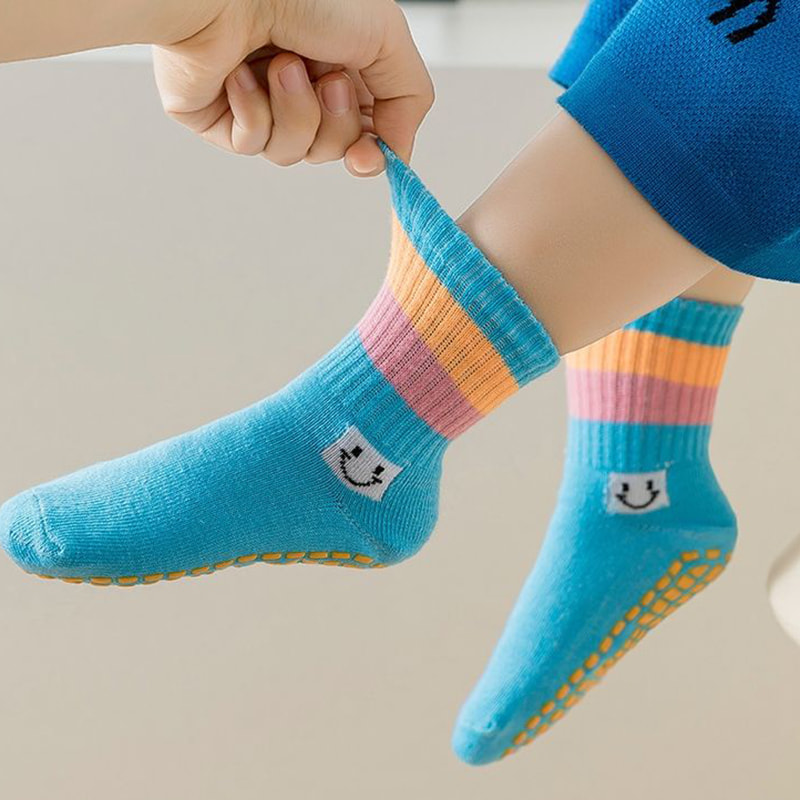
Men's socks rarely carry anti-slip silicone. Toddlers and young children learning to walk need it. On tiles, laminate or polished wood, an adult sock with a loose fit and no grip becomes a slipping risk rather than a comfort issue.
Men's Socks and Children's Socks Side by Side
Table 1: How men's socks and children's socks differ, and why each difference becomes a fit problem or a comfortable day of wear.
| Feature |
Typical men's sock |
Typical children's sock |
What it means in practice |
| Foot length the sock is drafted for |
About 24 to 30 centimetres |
About 9 to 23 centimetres, split into size bands |
A mismatch moves the heel pocket off the heel |
| Heel cup position |
Set for adult heel to toe length |
Set for a shorter heel to toe length |
A shifted heel cup twists and rubs with every step |
| Cuff circumference and rib height |
Larger circumference, taller rib |
Narrower and shorter, matched to a smaller ankle |
A loose cuff falls into the shoe, a tight cuff leaves marks |
| Fabric weight and terry thickness |
Often heavier, especially in sport styles |
Lighter, so the shoe still closes properly |
Thick socks push the foot against the upper of the shoe |
| Toe box width and toe seam |
Wider, drafted for an adult forefoot |
Narrower, with a smaller seam allowance |
Excess width folds over the small toes |
| Anti-slip silicone grip |
Uncommon |
Common on toddler, floor and trampoline styles |
Grip is a safety feature on smooth indoor floors |
| Best use for a child |
Sleep socks, floor socks, a short term spare |
Daily wear, school, sport and indoor play |
Match the sock to the activity, not to the drawer it came from |
The pattern is simple. Every difference between the two sizes scales with foot length, and each one changes how the sock behaves on a moving child. One mismatch is usually manageable. Two or three together, inside a shoe, over a full school day, is where blisters and complaints come from.
Age by Age: When a Men's Sock Starts to Fit
Foot length is the only measurement worth arguing about, and it changes fast in the early years. These bands are rough guides based on typical foot growth, and they are worth checking against a tape measure rather than a memory of last year's shoes.
- Birth to about three years, foot roughly 9 to 15 centimetres: adult socks are far too large, offer no grip, and can trip a child who is still finding balance.
- About three to six years, foot roughly 15 to 18 centimetres: the heel of an adult sock lands on the calf. Fine at bedtime, poor inside shoes.
- About six to ten years, foot roughly 18 to 22 centimetres: still short of the smallest adult size. A soft men's sock may work as a house sock, not as a school sock.
- About eleven years and up, foot roughly 22 centimetres or more: the smallest men's sizes begin to work. Check the heel cup and the cuff before trusting a full day of wear.
For the youngest children, the practical answer is a children's sock with a gentle cuff and an anti-slip sole, built for a foot that is still small and still moving fast. That combination keeps pressure off the ankle while the silicone pattern handles the grip on smooth floors, which is exactly what an adult sock cannot offer.
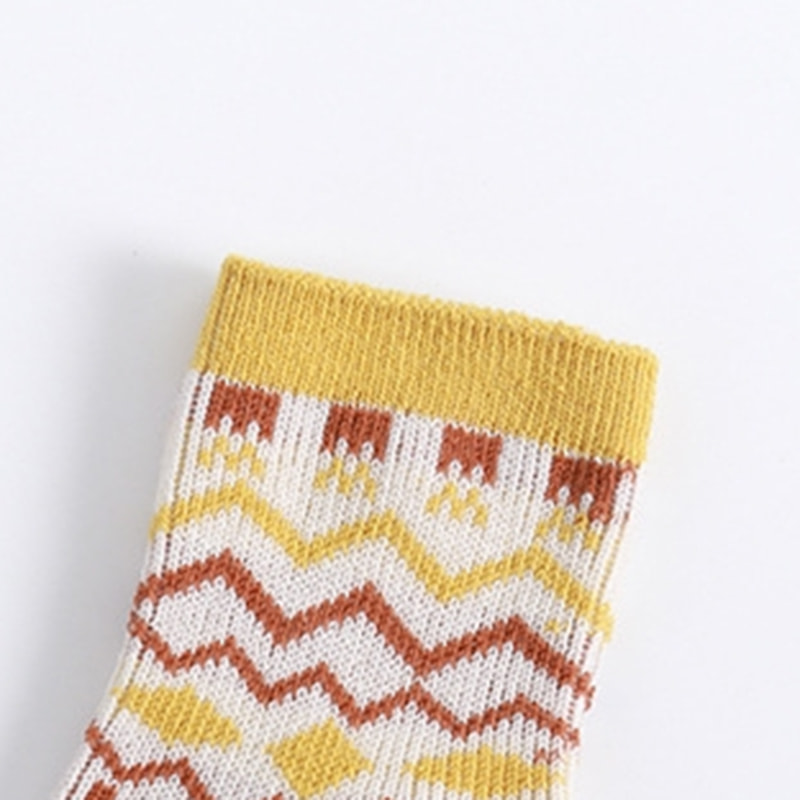 Double Needle Baby Socks with Anti-Slip Sole and Loose CuffFor small children moving fast indoors, these short socks pair a loose mouth with anti-slip grip and double-needle durability.View Product →
A 30 Second Fit Check Before Your Child Wears Them
If a child is about to borrow an adult pair, half a minute of checking prevents most of the trouble. Do this with the shoes the child will actually wear, not with bare feet only.
- Measure the foot while standing, heel against a wall, from the back of the heel to the tip of the longest toe. Measure in the afternoon, when feet are at their largest.
- Compare that number with the sock label rather than with the child's age.
- Put the sock on and find the heel pocket. It should sit on the heel, not above the ankle bone.
- Slide one finger under the cuff. If it will not fit, the cuff is too tight. If two fingers fit easily, it will slide down.
- Smooth the fabric over the toes and feel for a ridge at the toe seam.
- Have the child walk ten steps barefoot, then put the shoes on and walk again. Any gathering around the toes or heel means the pair is wrong for that day.
Step six is the one parents skip, and it is the one that catches the problems. A sock that feels acceptable while sitting still can bunch within a minute of walking.
What to Look For in Children's Socks Instead
Buying to a foot length in centimetres removes most of the guesswork, and it works across brands and across countries. Beyond the number, four details separate socks that stay comfortable all day from socks that come home crumpled in a pocket.
- A cuff that leaves no mark after ten minutes of wear. Elastic recovery matters more than tightness.
- A flat toe seam, checked with a fingertip, because a raised seam rubs against small toes.
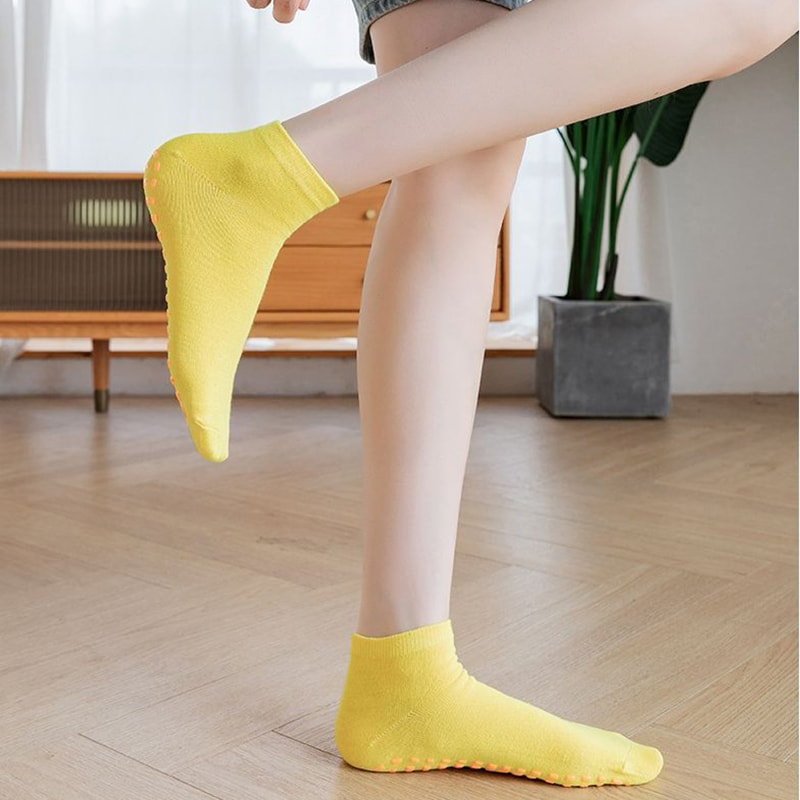
- Anti-slip silicone on the sole for toddlers and indoor play, especially in styles worn without shoes.
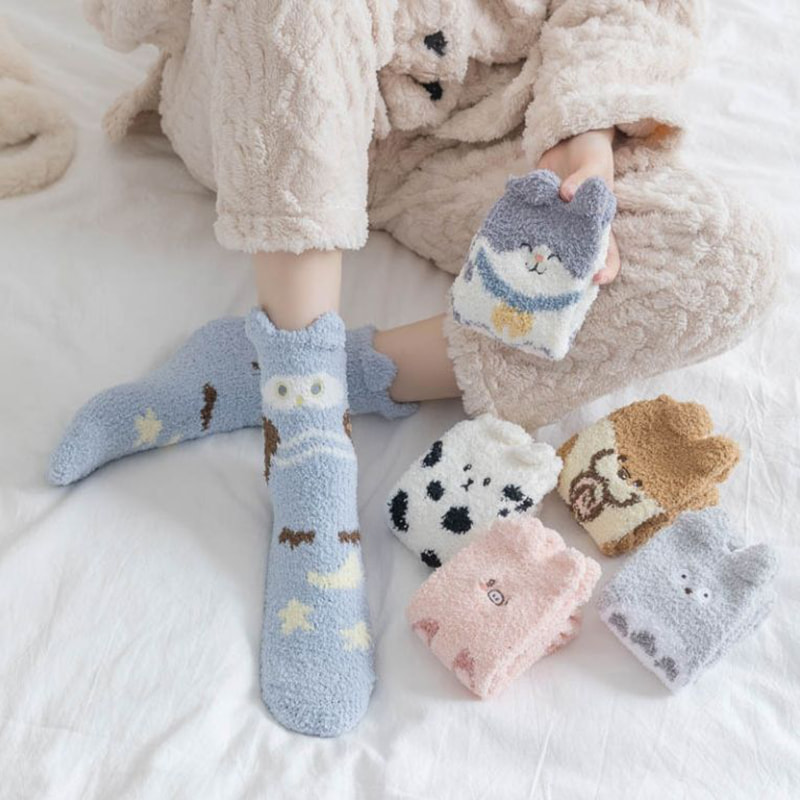
- Fabric matched to the season: combed cotton or mesh for warm days, coral fleece or lamb velvet for winter sleep socks.
Boat socks and invisible socks deserve one extra thought, because a shallow sock that slides off the heel mid afternoon becomes a daily annoyance for children and for the adults washing them. The principles behind a secure fit, from silicone placement to cuff tension, are covered in this note on keeping children's boat socks from slipping off during activities.
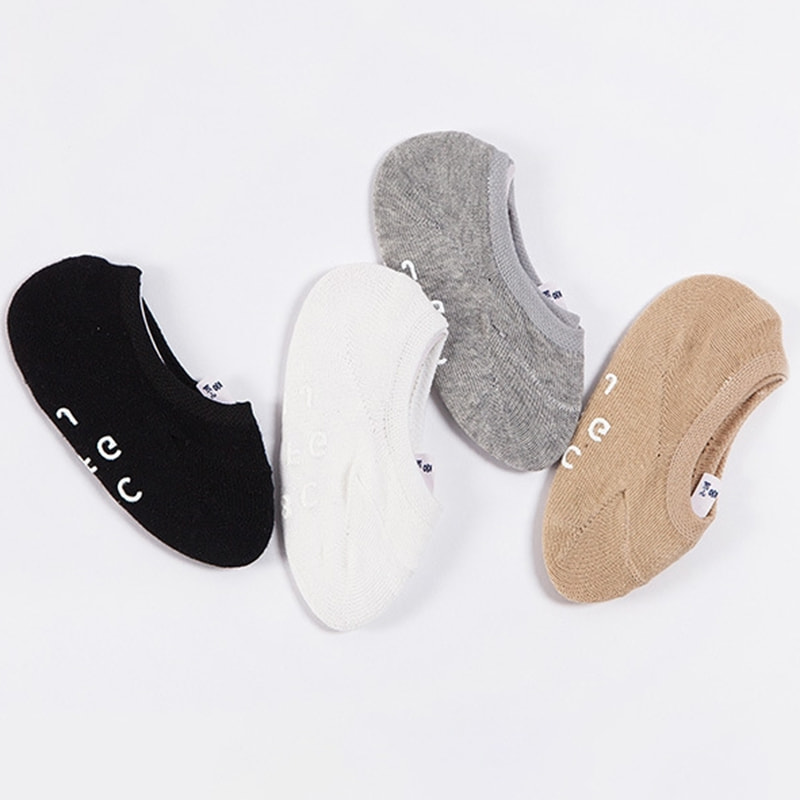 Shallow Invisible Combed Cotton Boat Socks for ChildrenFor low-top shoes and sandals, these lightweight combed cotton boat socks pair breathability with an anti-slip design for active days.View Product →
Cold Weather, Sleep Socks and the Oversized Sock Question
Winter is where adult socks on children cause the least harm and the most confusion. A thick men's sock used as a sleep sock is warm and forgiving, because the child is lying down and the fit barely matters. The same sock inside a winter shoe is a different story, since the extra volume presses the foot against the upper and can leave the toes cold instead of warm.
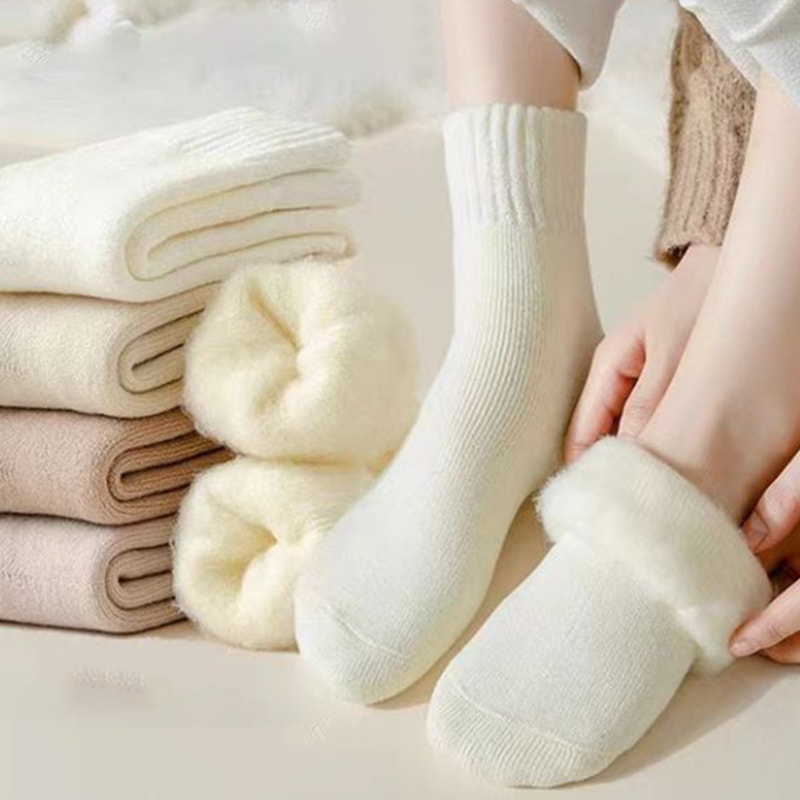
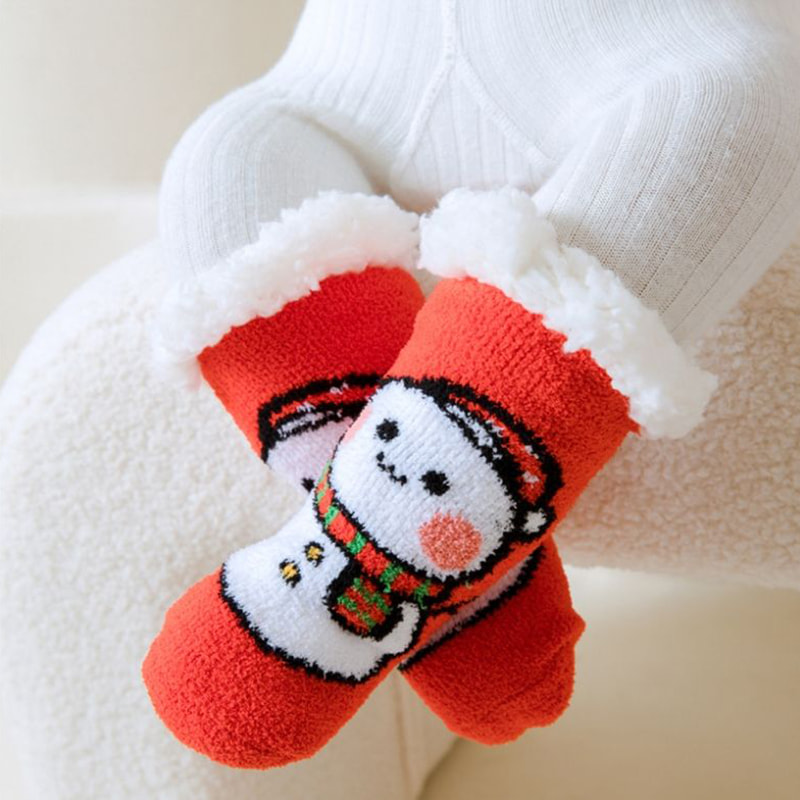
A children's knee sock or long sock solves that problem properly. The foot section is drafted for a child, the rib is proportioned for a smaller calf, and the length covers the gap between trouser hem and shoe without folding. For children who feel the cold at night, a brushed or fleece lined style worn as a house sock gives the warmth of an adult sock with a heel that stays where it should.
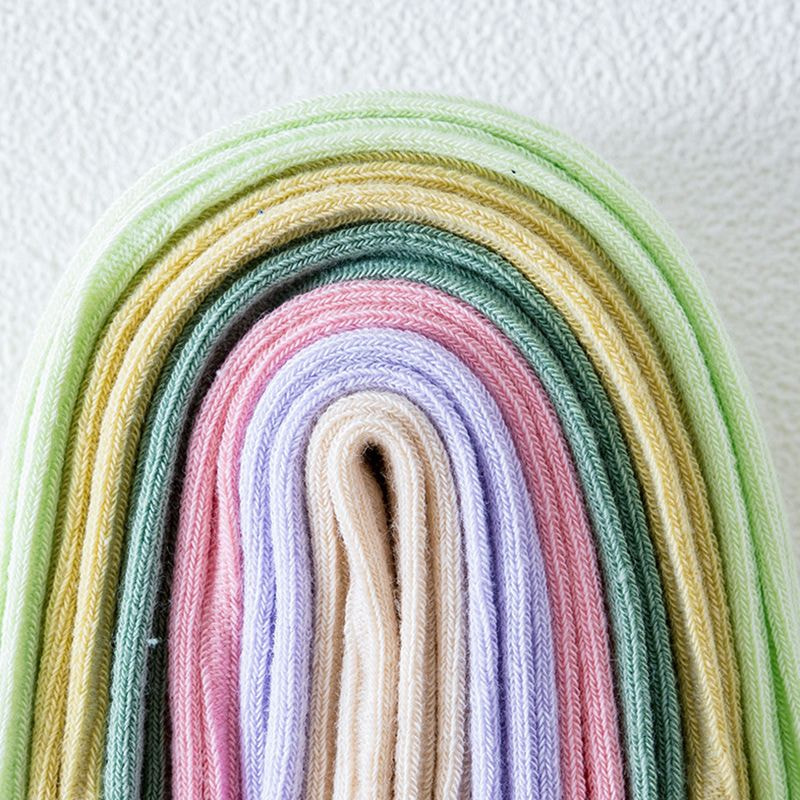 Candy Colored Double Needle Knee Socks for Baby Boys and GirlsThese candy-colored knee-high tube socks use soft double-needle knitting to cover the trouser-hem-to-shoe gap with child-sized warmth.View Product →
Buying and Sourcing Notes for Parents and Bulk Buyers
For a parent, the decision is simple. Measure the foot, buy the band that matches it, and keep adult socks for sleep and cold floors. For a shop, a school supplier or a brand buying in volume, the same logic turns into a specification. Foot length bands, cuff stretch and recovery, silicone placement and toe seam height are the details that decide whether a sock survives a term of playground use.
Zhuji Bolong Socks Co., Ltd. produces children's socks across boat socks, short socks, mid tube socks, long socks and pantyhose, alongside men's and women's ranges, in materials that include combed cotton, mesh, ice silk, coral fleece and imitation cashmere. Production covers design, raw material, knitting, shaping, inspection and packing, with 120 sock machines on site and partner factories handling secondary processes such as dot coating and embroidery. Factory audit certificates include FAMA, IDFL, BSCI, COSTA and Primark human rights audits. Buyers comparing size bands and constructions can review the full children's socks range before requesting prices.
The Practical Takeaway
Children can wear men's socks, and there is no harm in it as long as the sock stays out of a shoe. The moment an adult sock goes into a child's sneaker for a school day or a training session, three things work against comfort at once: a heel pocket in the wrong place, a cuff that is either loose or tight, and extra fabric pressed against the toes.
Measure the foot in centimetres, match it to the sock band, and keep an adult pair for bedtime and cold floors. That single habit answers the question better than any rule about age.



 English
 中文简体
中文简体 Español