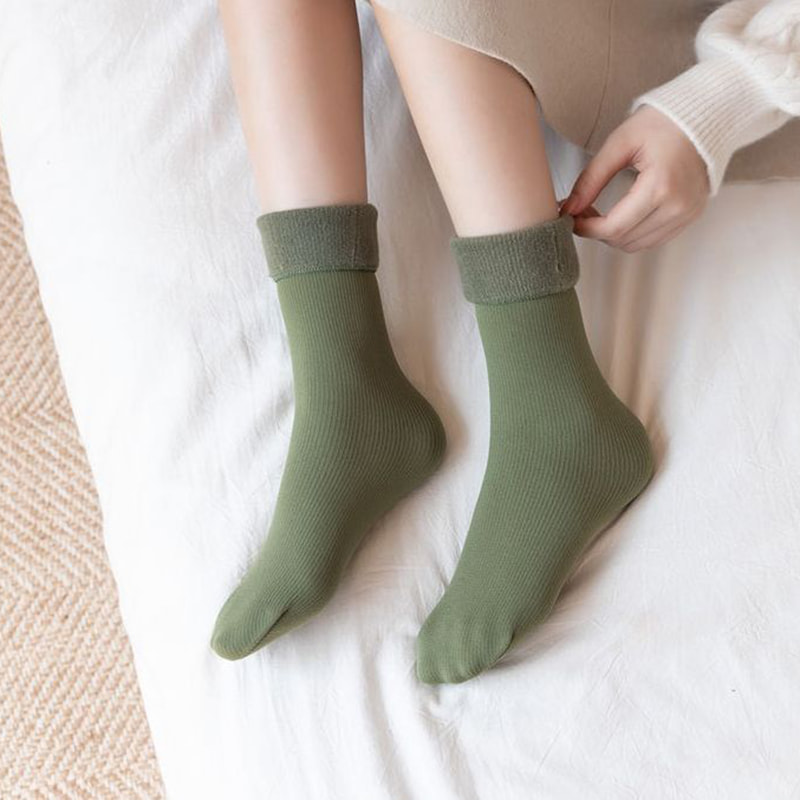
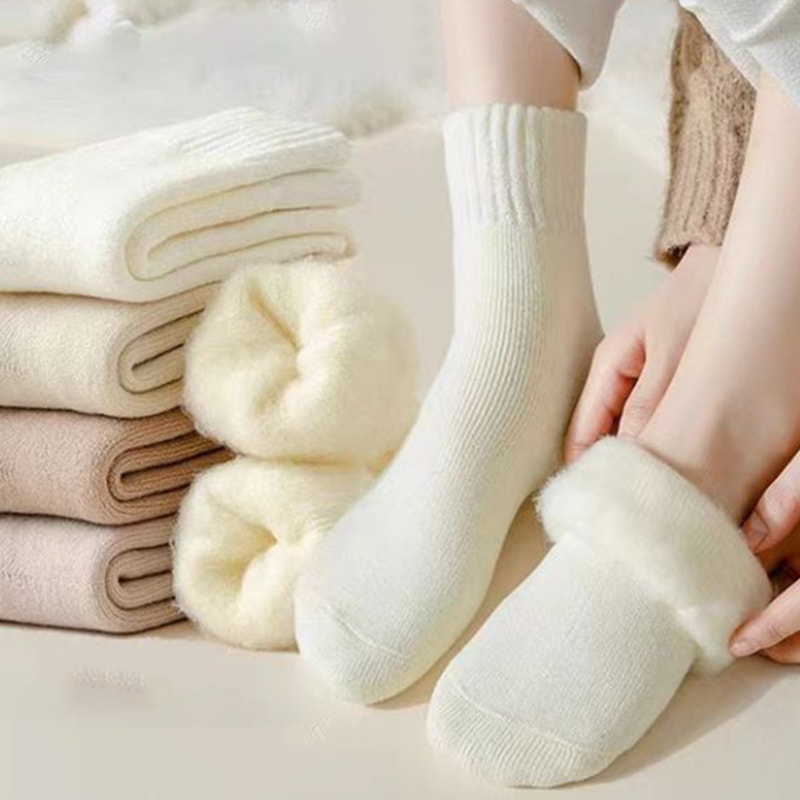
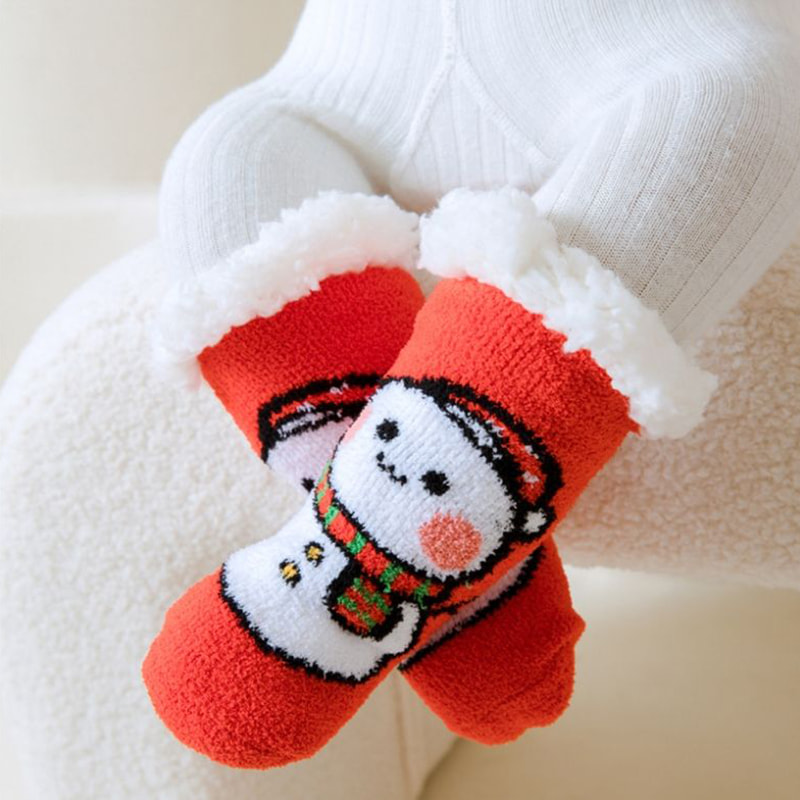
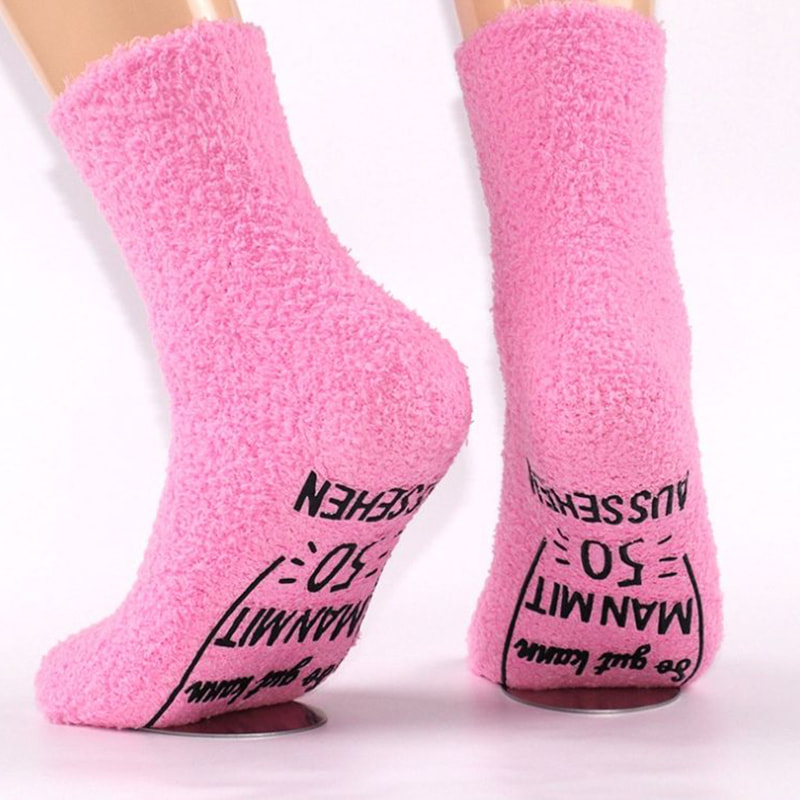
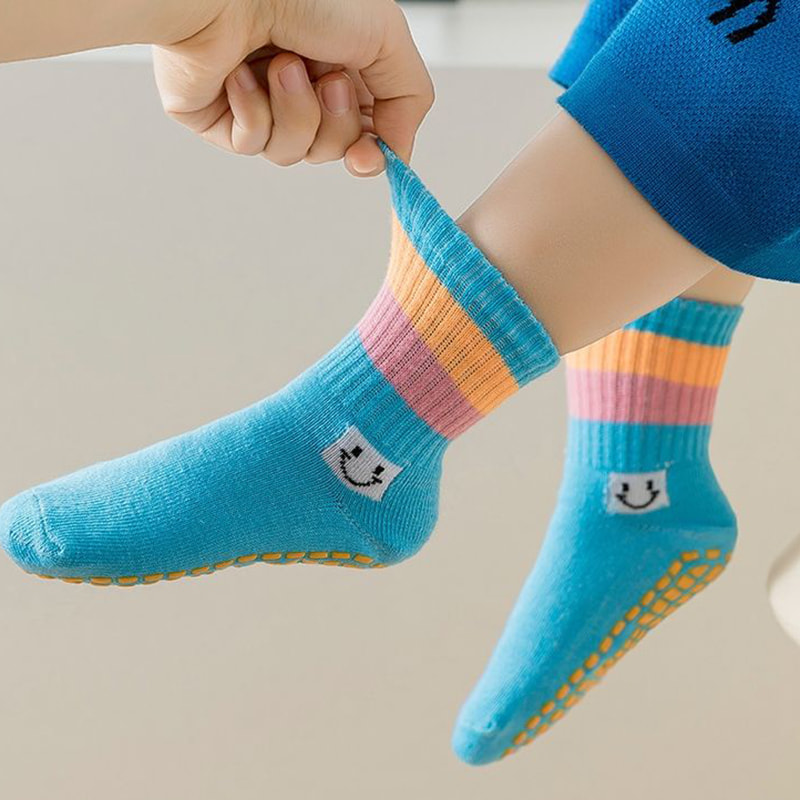
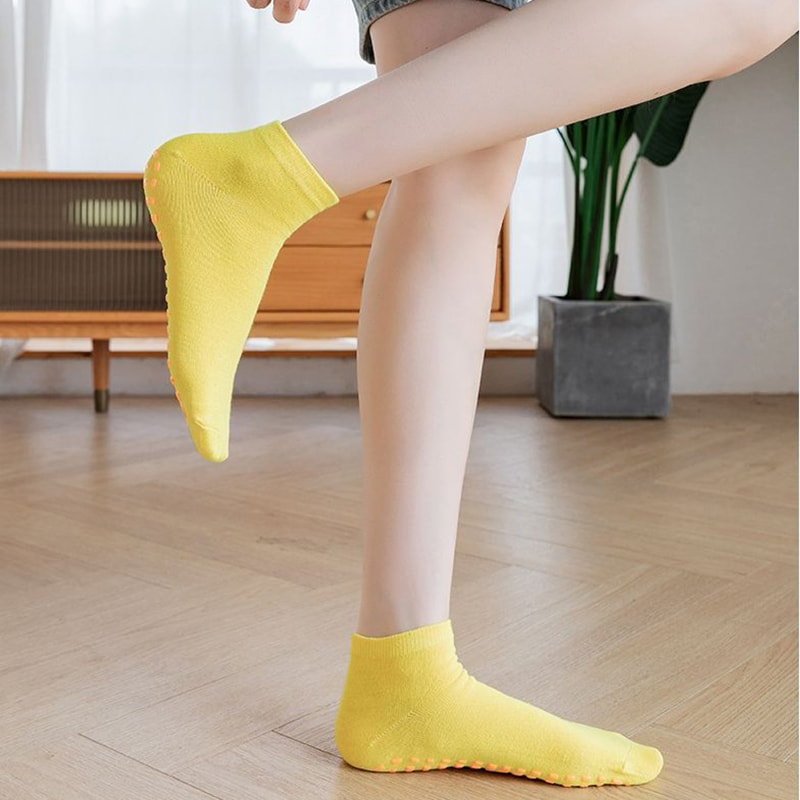
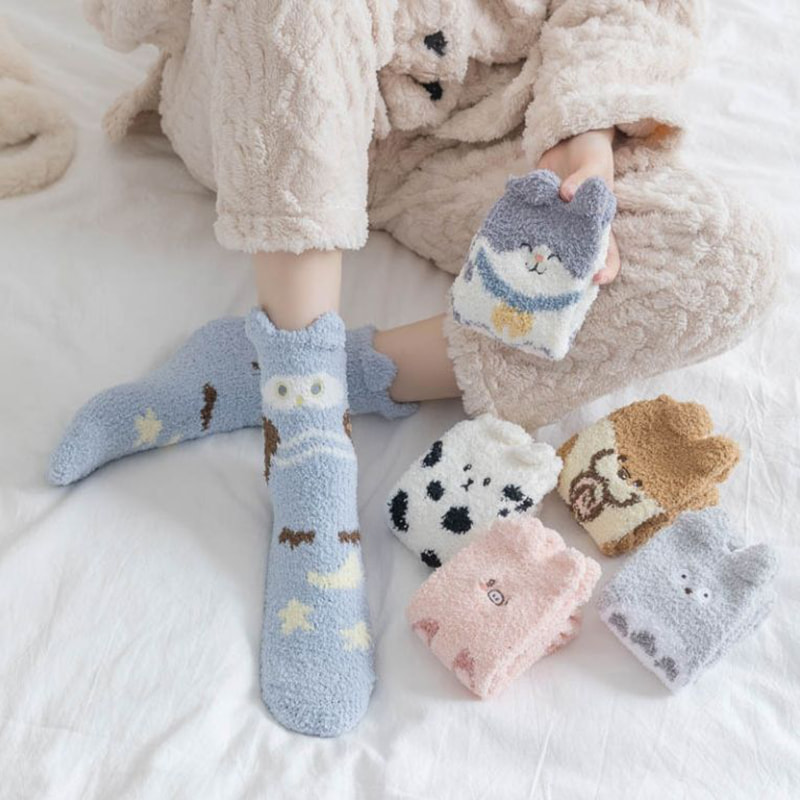
High-quality Children's short socks are indeed designed with non-slip functions, but the actual anti-slip effect depends on the materials, structural craftsmanship, and the level of anti-slip design. Not all Children's short socks are truly non-slip. Only those that adopt professional anti-slip processes and structural designs can effectively reduce the risk of slipping on smooth floors and truly provide safety protection.
Anti-Slip Structural Design Determines the Real Effect
Children's short socks that truly have anti-slip performance usually have the following structural features: silicone anti-slip dots: evenly distributed silicone particles on the sole increase the friction coefficient; anti-slip stripe textures: three-dimensional rubber-pressing processes form anti-slip patterns; localized thickened structures: enhance the stability of the contact surface; anti-slip areas covering the forefoot + heel: forming a multi-point support structure. Ordinary Children's short socks are mostly flat-knit soles and almost have no anti-slip capability.
Influence of Materials on Anti-Slip Performance
| Material Type |
Anti-Slip Performance |
Comfort |
Safety |
| Pure cotton |
Low |
High |
Comfortable and breathable |
| Cotton + silicone |
High |
High |
Anti-slip and safe |
| Bamboo fiber |
Medium |
High |
Skin-friendly and antibacterial |
| Polyester |
Low |
Medium |
Medium Easy to slip |
| Spandex blend |
Medium–high |
High |
Elastic and close-fitting |
Children's short socks containing silicone anti-slip dots have significantly better anti-slip performance than ordinary cotton socks.
Real Effect Testing of Anti-Slip Design
Tests on tile and wooden floor environments show: ordinary cotton Children's short socks have a high slipping risk; Children's short socks with silicone anti-slip dots reduce sliding distance by about 40%–60%; the larger the anti-slip area coverage, the higher the stability.
Data explanation: anti-slip sock soles can significantly reduce the risk of falling, especially on wet floors.
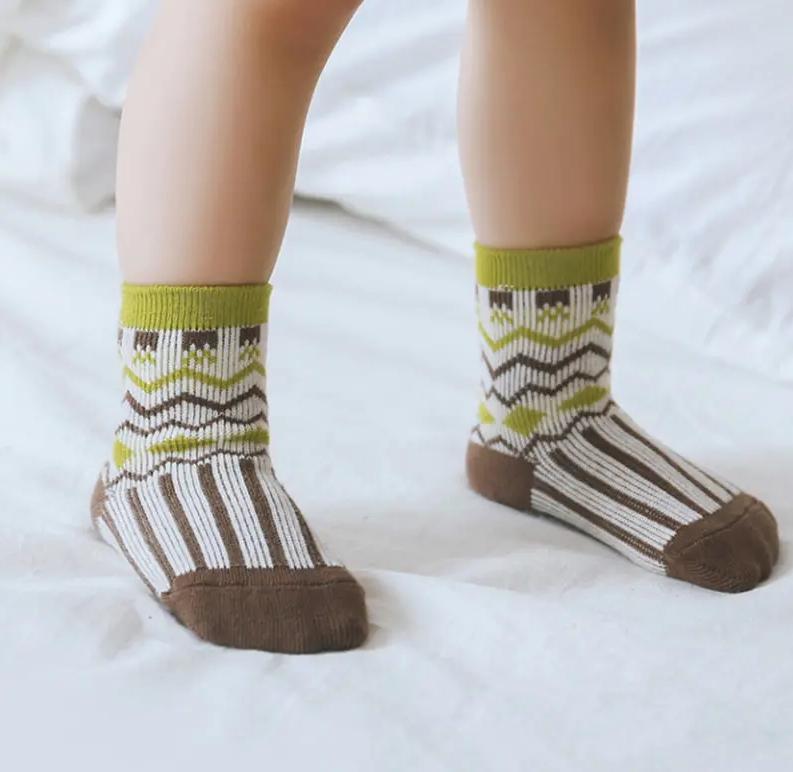
Usage Scenarios Determine the Need for Anti-Slip
High anti-slip demand scenarios: indoor smooth tile floors; wooden floor home environments; kindergarten activity areas; indoor playgrounds.
General demand scenarios: carpeted environments; grass activities; wearing inside shoes outdoors.
Key Points for Choosing Non-Slip Children's Short Socks
Key Points: Choose silicone anti-slip sole designs; even distribution of anti-slip dots that are not easy to fall off; skin-friendly, non-irritating materials; good breathability to avoid sweating; moderate sock cuff elasticity, not tight on the foot; passed safety standard testing (such as non-toxic silicone).
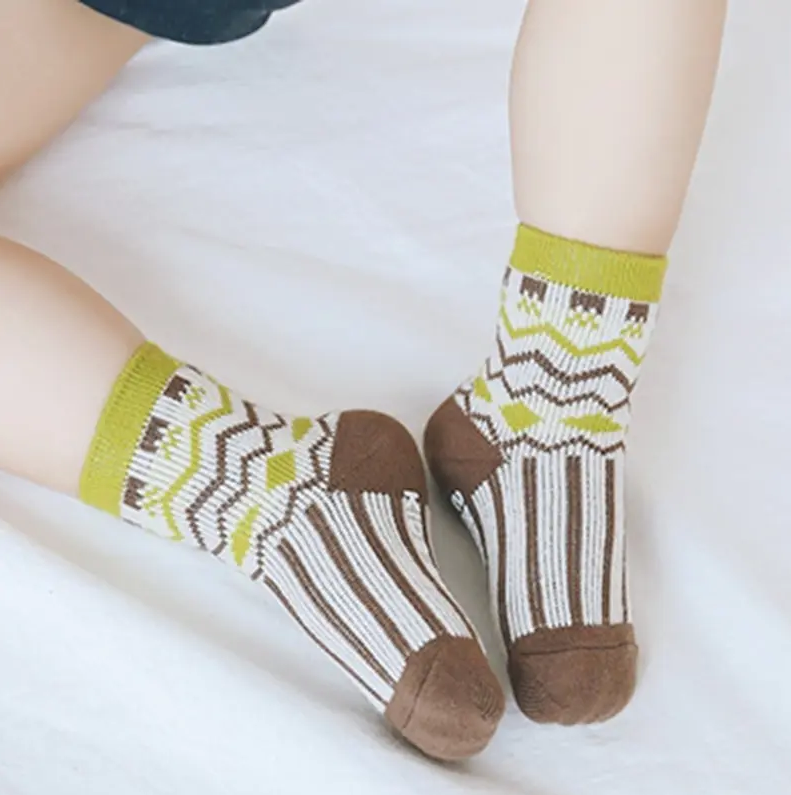
Common Misconceptions
Common Misconceptions: “Ankle socks are all non-slip”; “Thick socks are non-slip”; “Cotton socks are naturally non-slip”; “Fewer anti-slip dots are better”. True anti-slip performance depends on structural design + material combination + craftsmanship level.
Whether Children's short socks are non-slip does not depend on the “ankle sock” itself, but on the anti-slip structural design. Only Children's short socks that adopt silicone anti-slip technology, anti-slip textured structures, and reasonable area coverage can truly achieve anti-slip effects, reduce the risk of falling, and improve the safety of children’s daily activities. For children who are frequently active in home environments, choosing high-quality non-slip Children's short socks is a simple but very effective safety protection measure.



 English
 中文简体
中文简体 Español